
Technical note published · 17 November 2026
FIS has published a technical note urging designers, specifiers and manufacturers to scrutinise the reaction-to-fire classifications claimed for internal wall and ceiling products.
The trade body announced the publication on 17 November, saying this area of performance can be overlooked or misunderstood during specification and procurement. Its concern includes assumptions that a product is exempt from requirements, or acceptance of a classification without examining the supporting evidence.
The note covers internal lining provisions under Approved Document B in England and Wales, including wall linings, suspended ceilings, acoustic systems and office pods. It also introduces BS EN 13501-1 classifications and the test methods used to assess them.
FIS groups covering partitions, pods, doors, ceilings and absorbers contributed to the note, which members can obtain through its Knowledge Hub. The publication directs attention to the evidence behind material selection. Reaction to fire concerns how a lining contributes to a fire, a different measure from the fire-resistance rating of a complete partition.
Government guidance for England explains why the configuration needs attention. Its Approved Document B questions and answers say reaction-to-fire performance is affected by the tested system as well as the material. The same product can receive different classifications when used with different forms, fixings, orientations or substrates.
The guidance advises designers to consider the field of application in the test report. That includes the end use and the jointing, mounting and fixing arrangements, rather than accepting a classification detached from the construction for which it was established.
It also notes that some products depend on additives or treatments with maintenance requirements. Where relevant, those limitations need to be passed into the building’s fire safety information so that performance can be maintained. This connects product selection during construction with the information needed by the people managing the building.
For plastering and drylining packages, the practical implication is to retain the evidence associated with the specified lining and resolve proposed changes through the responsible project team. A familiar board or finish description does not establish suitability for every substrate or mounting arrangement. FIS’s November note brings that existing evidence issue into focus without introducing a new statutory classification system or changing the separate rules and guidance applying across UK jurisdictions.
Sources · FIS: Reaction-to-fire classification for wall and ceiling linings · Government: Approved Document B fire safety questions and answers, particularly question 18
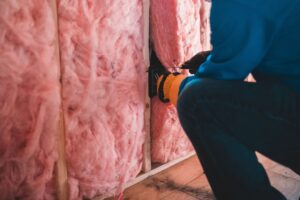
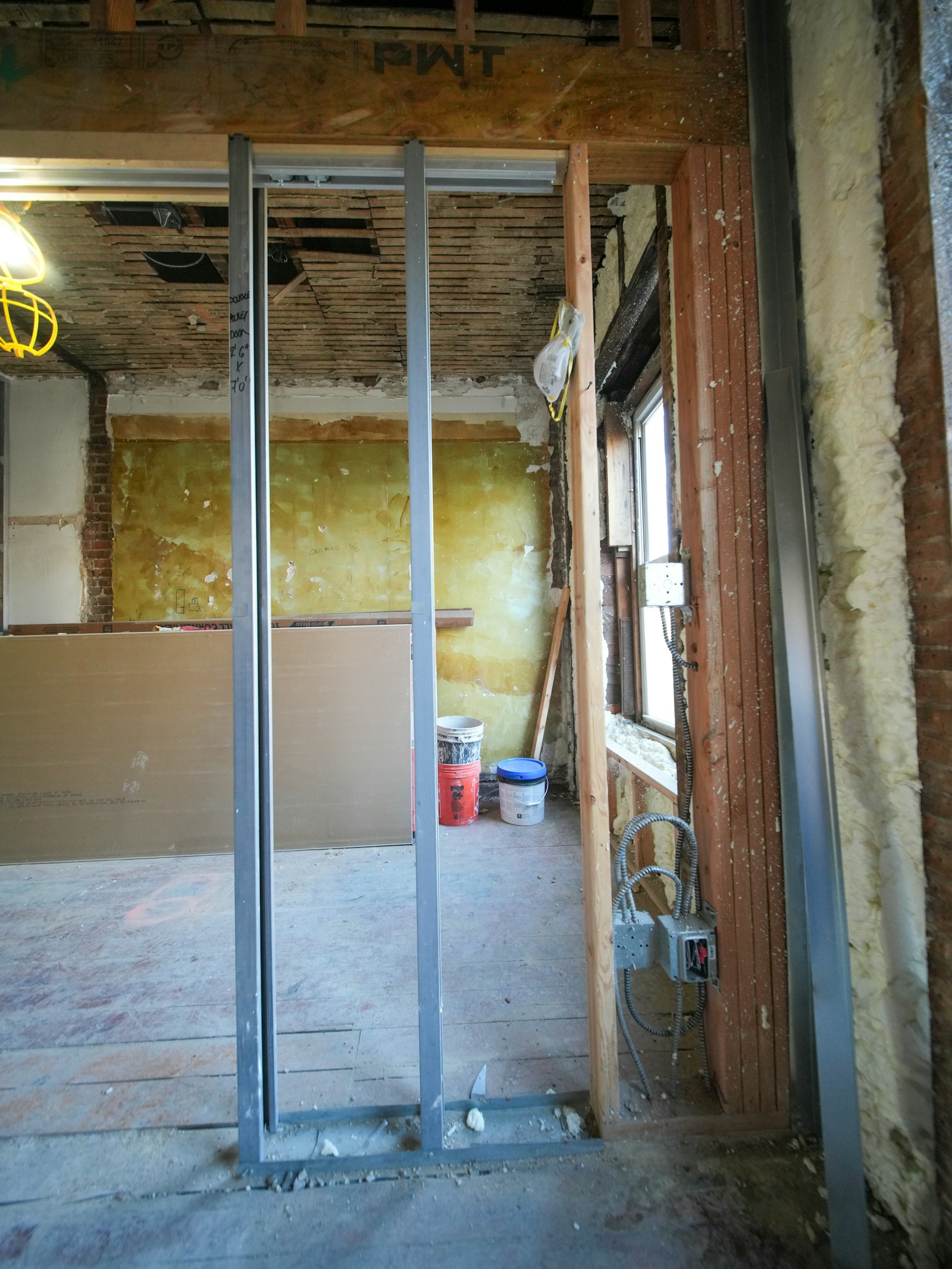
Illustrative interior refurbishment, published on Unsplash on 13 January 2026. The photograph does not show a project identified by FIS or demonstrate a certified fire-rated system. Image credit: Olek Buzunov / Unsplash · Unsplash License.
Share article
Was this article helpful?
Thanks — that helps us improve these guides.