
Development: Requirements in force from 1 October 2026
Electricians working for scheme-registered firms now need their own Level 3 qualification to carry out solar, battery, EV charging and inspection work.
The change comes from an update to the Electrotechnical Assessment Specification (EAS). The EAS is the standard that competent person schemes use to assess the firms they register.
The new requirements came into force on 1 October 2026.
What has changed
In the past, a firm could rely on its Qualified Supervisor to show competence for the work it did.
Now, individuals working for companies registered with scheme providers must hold formal Level 3 qualifications themselves in:
- solar PV
- electrical energy storage (batteries)
- electric vehicle charging
- micro wind
- periodic inspection and testing
The scheme providers include NICEIC, NAPIT, the ECA and SELECT.
The EAS was overhauled in October 2024, and firms were given time to prepare for the October 2026 deadline.
Who is affected
Sole traders are likely to find the change hardest. Every day spent on a course is a day without paid work.
Larger firms must plan training across their teams while keeping jobs running.
Darren Staniforth, head of technical solutions at the wholesaler CEF, said it was “not easy” for electricians to take time out for training when they were already busy.
Training on offer
CEF is one of several providers offering courses for the new requirements. Its theory courses, such as the Wiring Regulations and EV charging, can be taken online with remote exams.
Its practical solar PV training uses a mobile workshop with a roof rig, inverters and batteries, which travels around the country.
Competing providers and the schemes themselves also offer courses. Prices and formats vary.
What it means for electricians
If you carry out any of the five types of work listed above under your firm’s registration, check that you personally hold the right Level 3 qualification.
If you are not sure, contact your scheme provider. It can tell you what evidence your assessor will expect at your next visit.
The change also links to BS 7671 Amendment 4. Schemes have said they will issue guidance tying the two together.
With demand for solar, batteries and EV chargers rising, the extra qualifications could also help electricians win more of that work.
Sources · Electrical Wholesaler: EAS requirements are changing · Elec Training: EAS updates
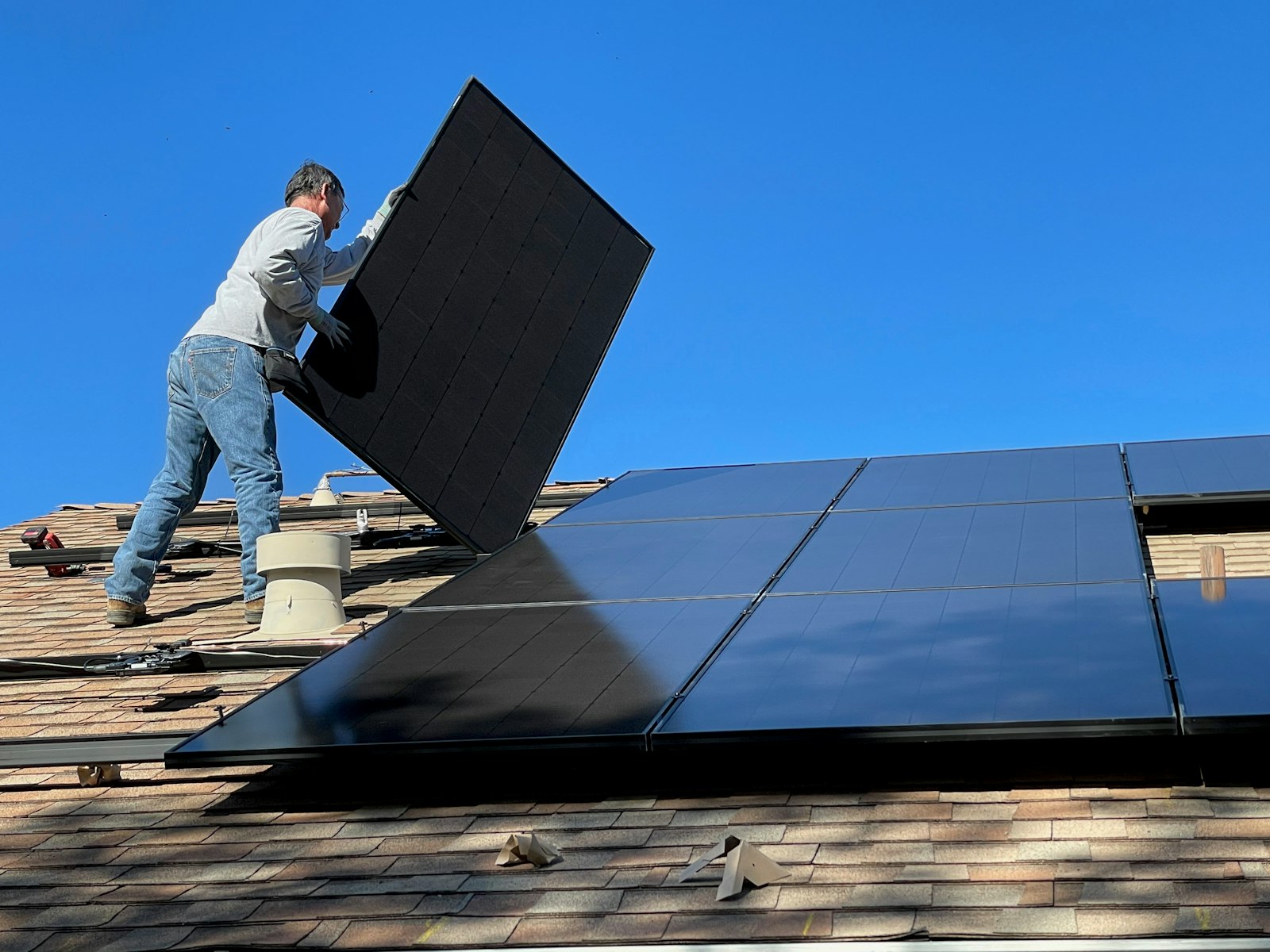
Illustrative photograph of a solar installation. Photograph by Bill Mead on Unsplash.
Share article
Was this article helpful?
Thanks — that helps us improve these guides.