




Refrigeration and air conditioning engineer
Also called: Air conditioning engineer, Refrigeration technician, RAC engineer, HVACR engineer
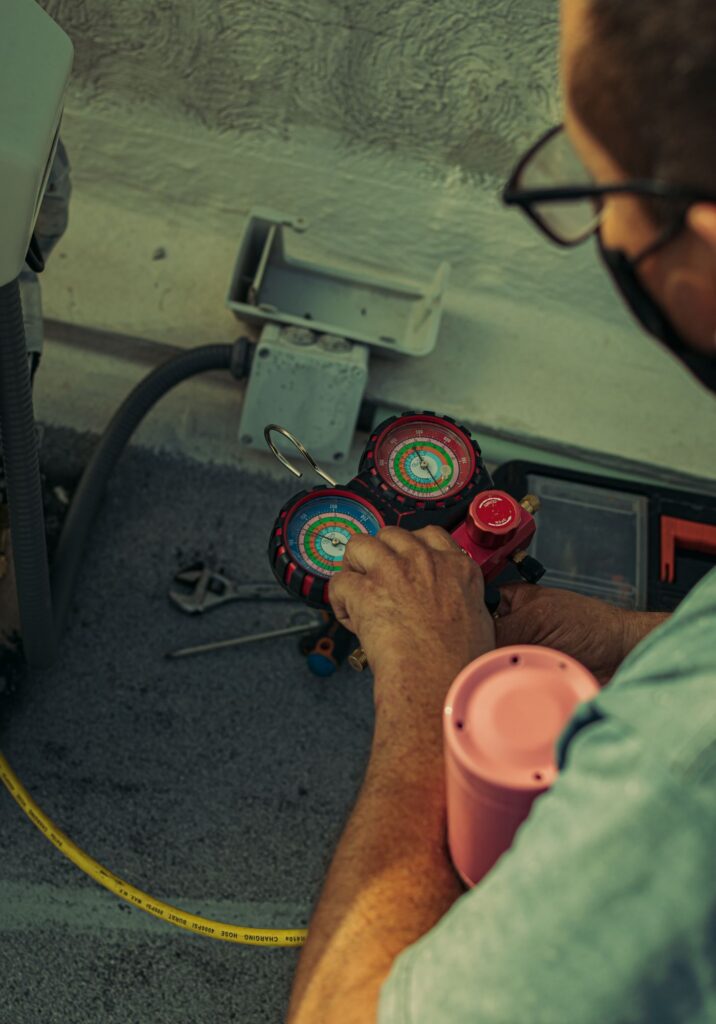
Refrigeration and air conditioning engineers install, service and repair cooling systems, air conditioning and heat pumps, safely handling the refrigerant gases inside them.
- Starter pay
- £25,000
- Experienced pay
- £45,000
- Training
- 36 months
- Site card
- F gas certificate
Coming to the Tradefox app. The app trains electricians today, with more trades coming.
Tradefox's electrical simulations cover the correct isolation and testing skills this work relies on. See the electrician page
Quick self-check · 5 questions
Is this trade for you?
Five honest statements about the job. Pick the answer that fits you best. It’s not a test, and lots of people grow into a trade.
Think about each of these. If most sound like you, this trade could suit you.
- You enjoy technical problem solving. Fault finding and problem solving are core skills.
- You're comfortable with maths and science. You work with pressures, temperatures and loads.
- You like detailed, careful work. Careful record keeping and attention to detail matter, including when handling refrigerant.
- You don't mind cramped or cold places. Plant rooms, roofs, ceiling voids and cold stores are common workplaces.
- You're happy working on your own and with customers. You work alone on many jobs and advise customers on running costs.
What people like
- Wide range of workplaces: supermarkets, data centres, hospitals, homes and refrigerated lorries
- Skills that also cover heat pumps
- Mix of installing, servicing and fault finding
What can be hard
- Cramped, cold or high places
- Strict rules for handling refrigerant
- A lot of technical knowledge to learn
Next steps
Compare similar trades
A day on site
- Planning the layout of pipework, ducts and controls
- Installing indoor and outdoor units and brazing copper pipework
- Pressure testing, evacuating and charging systems with refrigerant
- Wiring and setting up controls, after safely isolating the supply
- Servicing systems, checking for leaks and fixing faults
- Recovering refrigerant when systems are repaired or taken out
- Advising customers on running costs and energy use
Where you work
- Shops, supermarkets and offices
- Restaurants, kitchens and cold stores
- Hospitals, data centres and factories
- Homes, for heat pumps and air conditioning
- Refrigerated lorries and trailers
- Plant rooms, roofs and ceiling voids, often cramped or cold
Skills you need
- Practical installation and repair skills
- Fault finding and problem solving
- Maths and science for pressures, temperatures and loads
- Safe electrical isolation and basic wiring
- Brazing and pipework skills
- Attention to detail and careful record keeping
- Working on your own and with customers
Practise the maths with our free calculators ›
Routes in
Apprenticeship
Typically 36 months; check with your training provider
In England, the Refrigeration, Air Conditioning and Heat Pump Engineering Technician Level 3 apprenticeship covers installing, commissioning, servicing and fault finding. You'll usually need 5 GCSEs at grades 9 to 4, including English and maths. A Level 2 Building Services Engineering Installer apprenticeship is another way in. There's also a Mobile Transport Refrigeration Technician Level 3 apprenticeship for refrigerated lorries and trailers.
Find an apprenticeship (apprenticeship) (opens in new tab)College course
1 to 2 years
Courses in refrigeration, air conditioning and heat pump systems, or the T Level in Building Services Engineering for Construction (England), teach the basics before or alongside work.
Find a course (college course) (opens in new tab)University
1 to 2 years
A higher national certificate or diploma in building services engineering can lead to engineering and design roles.
Find out more (university) (opens in new tab)Career changer
Varies
Plumbers, electricians and heating engineers can move across by gaining an F gas qualification and refrigeration training. Apprenticeships in England have no upper age limit.
Find out more (career changer) (opens in new tab)A typical route
- School or college
- Level 3 RACHP apprenticeship
- F gas qualification (Category 1)
- End-point assessment
- Qualified refrigeration and air conditioning engineer
Find an apprenticeship near you
Compare every way in on the routes hub ›
Qualifications by nation
England
- Refrigeration, Air Conditioning and Heat Pump Engineering Technician Level 3 apprenticeship
- F gas personnel qualification from a recognised body, such as City & Guilds, BESA or LCL Awards
Scotland
- Modern Apprenticeship in Heating, Ventilation, Air Conditioning and Refrigeration at SCQF Level 6 or 7, about 3 years
Wales
- Level 3 Refrigeration, Air Conditioning and Heat Pumps apprenticeship, usually about 3 years
Northern Ireland
- Level 3 apprenticeship in Heating, Ventilation, Air Conditioning and Refrigeration (HVACR), with an air conditioning or refrigeration pathway. Length is agreed between apprentice, employer and training provider
Cards for site
F gas certificate
The law says anyone who installs, services, leak checks, recovers refrigerant from or decommissions stationary refrigeration, air conditioning or heat pump equipment needs their own F gas qualification. Category 1 covers all of these tasks; Categories 2 to 4 cover smaller systems or single tasks. Work on refrigerated lorries over 3.5 tonnes and trailers needs it too.
Visit the F gas certificate site (opens in new tab)ACRIB F Gas Refrigeration SKILLcard
An industry card and register from ACRIB that shows your refrigerant qualification and a health and safety awareness assessment. You need a current F gas certificate to get one. Some employers and clients ask for it.
Visit the ACRIB F Gas Refrigeration SKILLcard site (opens in new tab)CSCS card
Many construction sites ask for one. Work in shops, offices and homes often doesn't.
Visit the CSCS site (opens in new tab)Not sure which card?
Answer a few questions and we’ll point you to the right card and test.
Use the card finder ›What you could earn
Apprentice
At least £8.00an hour
The apprentice minimum wage from 1 April 2026. Many employers pay more.
Starter (about)
£25,000a year
Experienced (about)
£45,000a year
Pay depends on location, call-out and on-call rotas, overtime, your specialism and whether you're self-employed. Source: National Careers Service: refrigeration and air-conditioning installer (opens in new tab), 2026.
Where it can lead
- Commissioning or service engineer
- Heat pump specialist
- Refrigeration engineer designing systems and managing projects
- Transport refrigeration specialist
- Wider building services engineering
- Running your own business
Myths and facts
Stay safe on site
Useful guides
Related trades

Electrician
Electricians install, test, maintain and repair the wiring, circuits and equipment that power homes, businesses and building sites.
£45,000Experienced
Explore electrician ›
Plumber
Plumbing and heating engineers install, service and repair water supply, drainage and heating systems in homes and other buildings.
£46,000Experienced
Explore plumber ›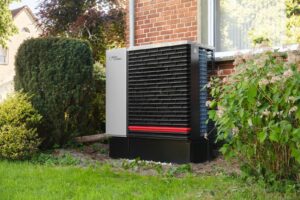
Heat pump installer
Heat pump installers fit, commission and maintain low carbon heating systems that take heat from the air or ground to heat homes and water.
£46,000Experienced
Explore heat pump installer ›Questions
Do I need an F gas certificate?
Yes, if you work on stationary refrigeration, air conditioning or heat pump systems that contain F gas. You need your own qualification even if you work for an employer. Category 1 covers all tasks.
Do I need qualifications to become an air conditioning engineer?
For the Level 3 apprenticeship you'll usually need 5 GCSEs at grades 9 to 4, including English and maths. Lower-level apprenticeships ask for fewer. You'll also need a valid F-gas certificate for refrigerant work, and you can register for an ACRIB skillcard.
How long does it take to become an air conditioning engineer?
The Level 3 Refrigeration, Air Conditioning and Heat Pump Engineering Technician apprenticeship typically takes 36 months. You could also take a college course, such as installing and maintaining refrigeration systems, or the T Level in Building Services Engineering for Construction, before looking for a trainee role.
Can I work on heat pumps?
Yes. Heat pumps use the same refrigeration cycle, and the Level 3 apprenticeship covers heat pump engineering.
Is the work on call?
Often. Many service engineers work an on-call rota, because a broken cold store or chiller needs fixing fast.
Do I need F-gas certification?
Yes, if you'll handle F-gas refrigerants. You must hold your own qualification, even when working for someone else. Category 1 covers all activities, including installing, servicing, leak checking and recovering refrigerant. Categories 2 to 4 cover smaller systems, recovery only, or leak checks only.
Sources (6)
- National Careers Service: refrigeration and air-conditioning installer (opens in new tab)
- GOV.UK: Qualifications required to work on equipment containing F gas (opens in new tab)
- Find apprenticeship training: Refrigeration air conditioning and heat pump engineering technician (level 3) (opens in new tab)
- Apprenticeships.scot: Heating, Ventilation, Air Conditioning and Refrigeration (opens in new tab)
- Find an Apprenticeship Wales: Refrigeration, air conditioning and heat pumps (opens in new tab)
- nidirect: Level 3 apprenticeship framework HVACR (opens in new tab)
Rules and fees change, so always check the official sources linked on this page. Last reviewed 21 November 2026.