




Heat pump installer
Also called: Heat pump engineer, Low carbon heating technician
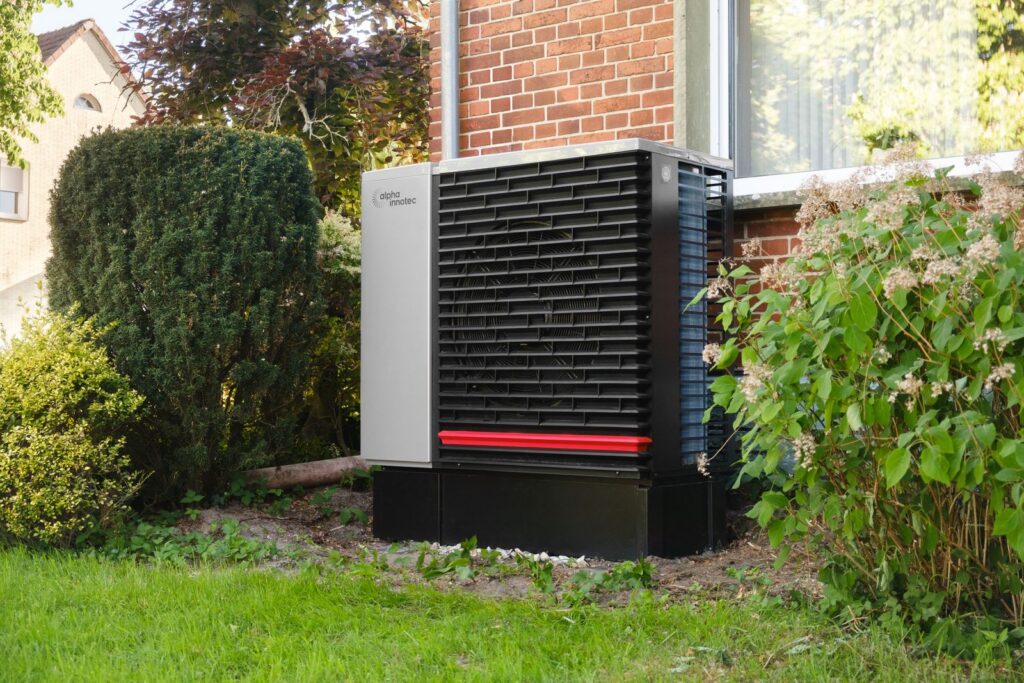
Heat pump installers fit, commission and maintain low carbon heating systems that take heat from the air or ground to heat homes and water.
- Starter pay
- £24,000
- Experienced pay
- £46,000
- Training
- 36 months (Level 3)
- Site card
- CSCS or ECS card
Coming to the Tradefox app. The app trains electricians today, with more trades coming.
Tradefox's electrical simulations cover the correct isolation and testing skills this work relies on. See the electrician page
Quick self-check · 5 questions
Is this trade for you?
Five honest statements about the job. Pick the answer that fits you best. It’s not a test, and lots of people grow into a trade.
Think about each of these. If most sound like you, this trade could suit you.
- You're interested in low-carbon heating. You install heat pumps that replace older heating systems.
- You like problem solving and a bit of maths. Surveying homes, working out heat loss and sizing systems is part of the job.
- You have, or want, plumbing and heating skills. Plumbing and heating skills are listed as core skills.
- You're happy working outdoors, at height and in tight spaces. Installs often involve outdoor units, height and cramped spaces.
- You enjoy explaining things to customers. You show customers how to use their new system.
What people like
- Growing area of heating, supported by government schemes
- Mix of surveying, installing, commissioning and fault finding
- Builds naturally on plumbing and heating skills
What can be hard
- Needs a mix of plumbing, heating and controls knowledge
- Outdoors, at height and in tight spaces
- Commissioning and fault finding take patience
Next steps
Compare similar trades
A day on site
- Surveying homes and working out heat loss
- Installing heat pumps, cylinders, pipework and controls
- Removing old heating systems
- Commissioning systems and finding faults
- Servicing and repairing systems
- Showing customers how to use their new system
Where you work
- Homes
- New-build developments
- Commercial buildings
- Outdoors and at height, often in tight spaces
Skills you need
- Plumbing and heating skills
- Maths for heat loss and sizing
- Understanding of electrical controls
- Problem solving
- Customer service
- Working safely
Practise the maths with our free calculators ›
Routes in
Apprenticeship
Varies; check with your training provider
In England, the Level 3 Low Carbon Heating Technician apprenticeship trains you directly in heat pump work. You usually need 5 GCSEs at grades 9 to 4 including English and maths.
Find an apprenticeship (apprenticeship) (opens in new tab)Upskilling from plumbing or gas
3 to 5 days of heat pump training on top of a trade
Many installers start as plumbers, heating engineers or gas engineers, then add heat pump training, which usually lasts 3 to 5 days.
Find out more (upskilling from plumbing or gas) (opens in new tab)College course
1 to 2 years
Courses in plumbing and heating, or the T Level in Building Services Engineering for Construction (England), are a good start.
Find a course (college course) (opens in new tab)A typical route
- Plumbing or heating qualification
- Heat pump training
- Experience on installs
- Qualified heat pump installer
- MCS-certified business (optional)
Find an apprenticeship near you
Compare every way in on the routes hub ›
Qualifications by nation
England
- Level 3 Low Carbon Heating Technician apprenticeship
- Level 3 Heat Network Maintenance Technician apprenticeship
- Short heat pump courses for qualified plumbers and heating engineers
Scotland, Wales and Northern Ireland
- Plumbing and heating apprenticeships followed by heat pump training, found through each nation's apprenticeship service
Cards for site
- CSCSRedApprentice
Red · Apprentice - CSCSBlueSkilled Worker
Blue · Skilled Worker
Illustration, not the official card design.
CSCS card
Most construction sites ask for a Construction Skills Certification Scheme (CSCS) card, or a card from a partner scheme. Installers from a plumbing and heating background usually hold one of these. Electricians who move into heat pumps usually hold an ECS card instead.
Visit the CSCS site (opens in new tab)MCS certification (for businesses)
MCS is the UK quality mark for small-scale renewables like heat pumps. Many customers and schemes look for MCS-certified installers.
Visit the MCS certification (for businesses) site (opens in new tab)F gas qualifications
People who work on equipment containing F gas refrigerants may need F gas qualifications.
Visit the F gas qualifications site (opens in new tab)Not sure which card?
Answer a few questions and we’ll point you to the right card and test.
Use the card finder ›What you could earn
Apprentice
At least £8.00an hour
The apprentice minimum wage from 1 April 2026. Many employers pay more.
Starter (about)
£24,000a year
Experienced (about)
£46,000a year
Pay depends on location, experience, overtime and whether you're self-employed. Source: National Careers Service: heat pump engineer (opens in new tab), 2026.
Where it can lead
- Supervisor or team leader
- Heat loss surveyor or system designer
- Running your own MCS-certified business
- Training apprentices or teaching at college
Myths and facts
Stay safe on site
Useful guides
Related trades
Electrician
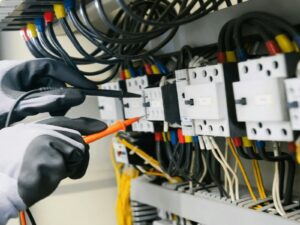
Electricians install, test, maintain and repair the wiring, circuits and equipment that power homes, businesses and building sites.
£45,000Experienced
Explore electrician ›
Plumber
Plumbing and heating engineers install, service and repair water supply, drainage and heating systems in homes and other buildings.
£46,000Experienced
Explore plumber ›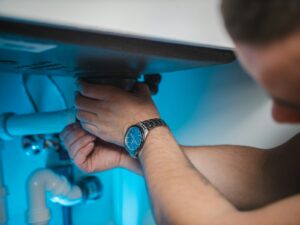
Gas engineer
Gas engineers install, service and repair gas appliances like boilers, cookers and fires, keeping homes and businesses safe.
£45,000Experienced
Explore gas engineer ›Questions
How do I become a heat pump installer?
Many people qualify as a plumber, heating engineer or gas engineer first, then take heat pump training. There's also a Level 3 Low Carbon Heating Technician apprenticeship.
Do I need MCS?
MCS certification applies to installation businesses. Many customers and schemes look for MCS-certified installers.
Do I need F gas qualifications?
You may, if you work on equipment containing F gas refrigerants.
How much is the Boiler Upgrade Scheme grant?
The grant is £7,500 towards an air source or ground source heat pump. Check GOV.UK for eligibility and the current terms.
How long does it take to become a heat pump installer?
The Low Carbon Heating Technician Level 3 apprenticeship typically takes 36 months. It covers planning, sizing, installing, commissioning and servicing low carbon heating and hot water systems. If you're already an experienced plumber, heating engineer or gas engineer, extra heat pump training usually takes 3 to 5 days.
Can I become a heat pump installer at 30 or 40 without an apprenticeship?
Yes. You could take a college course in plumbing and heating, or a T Level in Building Services Engineering for Construction, get experience, and then add heat pump training. Age isn't a barrier: apprenticeships in England are open to anyone aged 16 or over.
Can a gas engineer retrain to install heat pumps?
Yes. Gas engineers, heating and ventilation engineers and plumbers can do further training to become heat pump installers. For people with relevant experience, heat pump courses usually last 3 to 5 days. Installer businesses can also be certified through MCS, which covers heat pumps.
Sources (5)
- National Careers Service: heat pump engineer (opens in new tab)
- GOV.UK: Boiler Upgrade Scheme, what you can get (opens in new tab)
- MCS (opens in new tab)
- GOV.UK: F gas in refrigeration and air conditioning (opens in new tab)
- GOV.UK: National Minimum Wage and National Living Wage rates (opens in new tab)
Rules and fees change, so always check the official sources linked on this page. Last reviewed 21 November 2026.