




Plumbing and heating engineer
Also called: Plumber, Heating engineer
Plumbing and heating engineers install, service and repair water supply, drainage and heating systems in homes and other buildings.
- Starter pay
- £24,000
- Experienced pay
- £46,000
- Training
- About 4 years (Level 3)
- Site card
- CSCS card
Coming to the Tradefox app. The app trains electricians today, with more trades coming.

Quick self-check · 5 questions
Is this trade for you?
Five honest statements about the job. Pick the answer that fits you best. It’s not a test, and lots of people grow into a trade.
Think about each of these. If most sound like you, this trade could suit you.
- You enjoy practical, hands-on work. Measuring, cutting, bending and joining pipework is everyday work.
- You like finding and fixing problems. Finding and fixing leaks, blockages and faults is a big part of the job.
- You're comfortable with some maths. Maths for measurements and flow calculations is a core skill.
- You're happy working in tight spaces like lofts and under floors. Many jobs are in lofts, under floors and other tight spaces.
- You're good with customers. You explain systems and costs to customers.
What people like
- Lots of variety: bathrooms, heating, cylinders, servicing and repairs
- Skills that lead on to heat pumps and renewable heating
- Work in homes, new-builds, offices, schools and hospitals
What can be hard
- Tight, awkward spaces
- Emergency call-outs can be part of the job
- You need to follow building and water regulations closely
Next steps
Compare similar trades
A day on site
- Measuring, cutting, bending and joining pipework
- Fitting bathrooms, kitchens, radiators and hot water cylinders
- Installing and servicing heating systems
- Finding and fixing leaks, blockages and faults
- Testing systems for pressure and leaks
- Explaining systems and costs to customers
Where you work
- Homes
- New-build sites
- Offices, schools and hospitals
- Lofts, under floors and other tight spaces
- On call for emergencies
Skills you need
- Practical hand skills
- Maths for measurements and flow calculations
- Problem solving
- Following building and water regulations
- Customer service
- Working safely at height and in confined spaces
Practise the maths with our free calculators ›
Routes in
Apprenticeship
Often 3 to 4 years; check with your training provider
Level 3 options in England include Plumbing and Domestic Heating Technician and Building Services Engineering Craftsperson. They usually need 5 GCSEs at grades 9 to 4, including English and maths. A Level 2 Building Services Engineering foundation apprenticeship is open to 16 to 21 year olds.
Find an apprenticeship (apprenticeship) (opens in new tab)College course
1 to 2 years
Courses in plumbing studies, plumbing and domestic heating, or the T Level in Building Services Engineering for Construction (England) teach the basics before or alongside work.
Find a course (college course) (opens in new tab)Working your way in
Varies
You can start as a plumber's mate and train on the job, often with a college course alongside.
Find out more (working your way in) (opens in new tab)Career changer
Varies
People from related fields, such as building services or heating and ventilation, can apply directly with the right qualifications and experience.
Find out more (career changer) (opens in new tab)A typical route
- School or college
- Level 3 apprenticeship
- End-point assessment
- Qualified plumbing and heating engineer
- Gas Safe or heat pump training (optional)
Find an apprenticeship near you
Compare every way in on the routes hub ›
Qualifications by nation
England
- Level 3 Plumbing and Domestic Heating Technician or Building Services Engineering Craftsperson apprenticeship
- Low Carbon Heating Technician Level 3 apprenticeship for heat pump work
Scotland
- Modern Apprenticeship in Plumbing and Heating at SCQF Level 7, including core units of an SVQ in Domestic Plumbing and Heating (about 3 years)
Wales
- Level 3 plumbing and heating apprenticeship, found through the Welsh Government's Find an Apprenticeship service
Northern Ireland
- Plumbing and heating apprenticeship frameworks, found through nidirect
Cards for site
- CSCSRedApprentice
Red · Apprentice - CSCSBlueSkilled Worker
Blue · Skilled Worker - CSCSGoldAdvanced Craft
Gold · Advanced Craft
Illustration, not the official card design.
CSCS card
Shows you have the training and qualifications to work on construction sites.
Visit the CSCS site (opens in new tab)Gas Safe Register
Anyone employed to work on gas appliances in homes must be on the Gas Safe Register.
Visit the Gas Safe Register site (opens in new tab)Not sure which card?
Answer a few questions and we’ll point you to the right card and test.
Use the card finder ›What you could earn
Apprentice
At least £8.00an hour
The apprentice minimum wage from 1 April 2026. Many employers pay more.
Starter (about)
£24,000a year
Experienced (about)
£46,000a year
Pay depends on location, overtime, call-outs, specialism and whether you're self-employed. Source: National Careers Service: plumber (opens in new tab), 2026.
Where it can lead
- Gas Safe registered engineer
- Heat pump or renewable heating engineer
- Ventilation and air conditioning
- Master plumber or building services engineer
- Running your own business
- Training apprentices
Myths and facts
Stay safe on site
Useful guides
Related trades
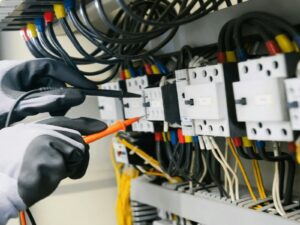
Electrician
Electricians install, test, maintain and repair the wiring, circuits and equipment that power homes, businesses and building sites.
£45,000Experienced
Explore electrician ›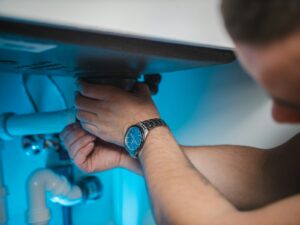
Gas engineer
Gas engineers install, service and repair gas appliances like boilers, cookers and fires, keeping homes and businesses safe.
£45,000Experienced
Explore gas engineer ›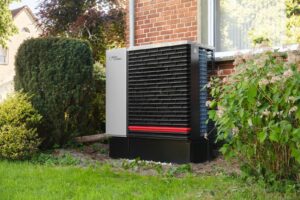
Heat pump installer
Heat pump installers fit, commission and maintain low carbon heating systems that take heat from the air or ground to heat homes and water.
£46,000Experienced
Explore heat pump installer ›Questions
How long does it take to become a plumber?
A Level 3 apprenticeship often takes 3 to 4 years. Check the length with your training provider.
Do plumbers need to be Gas Safe registered?
Anyone employed to work on gas appliances in homes must be Gas Safe registered. Many plumbers add gas training once qualified.
Can plumbers work on heat pumps?
Yes, with extra training. There's also a Level 3 Low Carbon Heating Technician apprenticeship.
Do I need a CSCS card?
Many construction sites ask for one. Domestic work for householders usually doesn't need one.
Can I become a plumber at 30 or 40 without an apprenticeship?
Yes. Apprenticeships in England are open to anyone aged 16 or over who isn't in full-time education, but they aren't the only way in. A college course can help you find a trainee position. If you have several years' experience in a related industry, such as building services or heating and ventilation, you could apply directly.
Sources (4)
Rules and fees change, so always check the official sources linked on this page. Last reviewed 21 November 2026.