




Plasterer
Also called: Spread, Solid plasterer, Fibrous plasterer
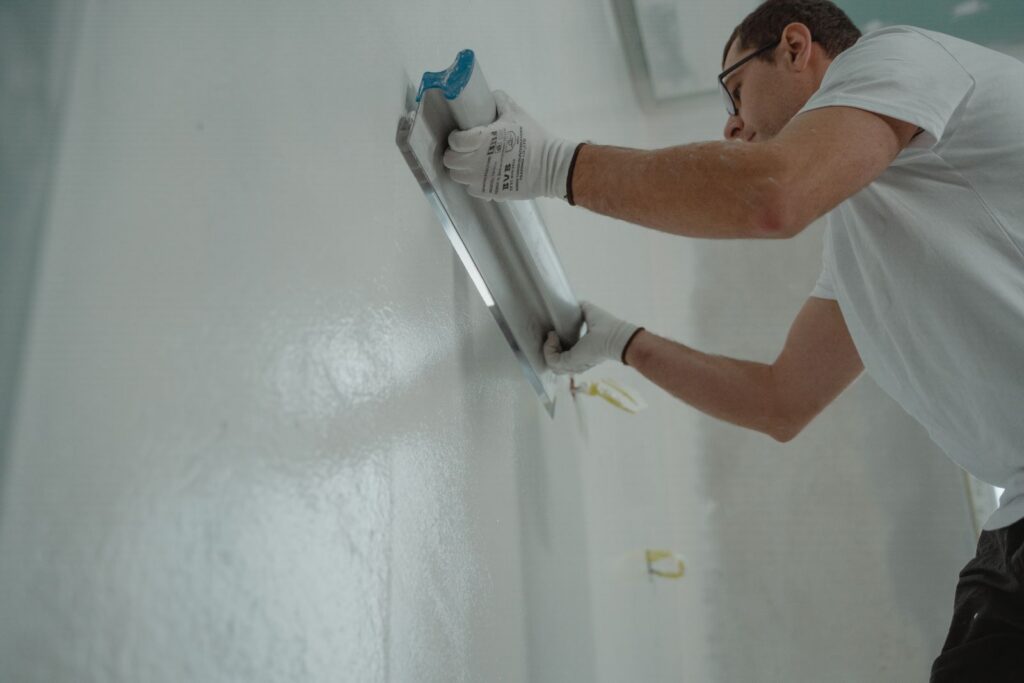
Plasterers give walls and ceilings a smooth finish ready for decorating, apply render to outside walls, and make decorative plaster mouldings.
- Starter pay
- £21,000
- Experienced pay
- £38,000
- Training
- About 36 months (Level 2)
- Site card
- CSCS Apprentice card (red)
Coming to the Tradefox app. The app trains electricians today, with more trades coming.
Quick self-check · 5 questions
Is this trade for you?
Five honest statements about the job. Pick the answer that fits you best. It’s not a test, and lots of people grow into a trade.
Think about each of these. If most sound like you, this trade could suit you.
- You have steady hands and like a smooth finish. Steady hands and manual dexterity are core skills.
- You're happy working to time. Working under time pressure is listed as a key skill.
- You don't mind physical, messy work. Mixing plaster and render and working walls and ceilings is physical.
- You're comfortable working at height. Ceilings and high walls mean working at height safely.
- You like seeing a big visible change. You turn bare walls into smooth surfaces ready for decorating.
What people like
- A satisfying, visible finish at the end of the day
- Work from new-builds to heritage mouldings and restoration
- You can start as a labourer and train on the job
What can be hard
- Physical and messy
- Working under time pressure
- Working at height on ceilings and walls
Next steps
Compare similar trades
A day on site
- Prepare surfaces and protect floors and fittings
- Fix plasterboard to walls and ceilings
- Mix plaster and render to the right consistency
- Apply and flatten plaster, then trowel it to a smooth finish
- Render outside walls
- Fit or repair decorative mouldings such as cornices (fibrous plastering)
- Clean tools and the work area
Where you work
- New homes and commercial buildings
- Home refurbishments
- Heritage and restoration projects
Skills you need
- Steady hands and manual dexterity
- Attention to detail
- Mixing materials accurately
- Working at height safely
- Physical fitness
- Customer service
- Working under time pressure
- Teamwork
Practise the maths with our free calculators ›
Routes in
Apprenticeship
Around 3 years for Level 2 at some providers; it varies
In England the Plasterer Level 2 and Craft Plasterer Level 3 apprenticeships are the main routes. The Level 2 standard has solid plasterer and fibrous plasterer options. There's also an Onsite Trades Level 2 Foundation apprenticeship for 16 to 21 year olds.
Find an apprenticeship (apprenticeship) (opens in new tab)College course
Usually 1 to 2 years
Courses in plastering or construction skills (plastering) teach the basics before you look for work.
Find a course (college course) (opens in new tab)Start as a plasterer's labourer
Varies
You can start as a plasterer's labourer, or 'mate', with no formal qualifications and train on the job.
Find out more (start as a plasterer's labourer) (opens in new tab)Career changer
Varies
Adults can join an apprenticeship, take a college course or start as a labourer and work towards an NVQ.
Find out more (career changer) (opens in new tab)A typical route
- School or college
- Apprenticeship or labouring
- NVQ Level 2
- CSCS Blue Skilled Worker card
- Qualified plasterer
Find an apprenticeship near you
Compare every way in on the routes hub ›
Qualifications by nation
England
- Plasterer Level 2 apprenticeship
- Craft Plasterer Level 3 apprenticeship
- Onsite Trades Level 2 Foundation apprenticeship
- College courses in plastering
Scotland
- Modern Apprenticeship in Construction: Building at SCQF Level 5 or 6, usually 12 to 24 months
Wales
- Apprenticeship using the City & Guilds Level 3 qualifications introduced from September 2022
Northern Ireland
- Construction Level 2 apprenticeship framework, then Level 3 to be fully qualified. Length is agreed between apprentice, training provider and employer
Cards for site
- CSCSRougeApprentice
Red · Apprentice - CSCSBleuSkilled Worker
Blue · Skilled Worker - CSCSGoldAdvanced Craft
Gold · Advanced Craft
Illustration, not the official card design.
CSCS Apprentice card (red)
For people registered on a construction apprenticeship or qualification, so you can train on site.
Visit the CSCS Apprentice (red) site (opens in new tab)CSCS Blue Skilled Worker card
Needs a construction-related Level 2 NVQ/SVQ, which most apprenticeships lead to. Most sites ask for a CSCS card or equivalent before you can work there.
Visit the CSCS Blue Skilled Worker site (opens in new tab)CSCS Gold card
Needs a construction-related Level 3 NVQ/SVQ (the Gold Advanced Craft card). There's a separate gold card for supervisors.
Visit the CSCS Gold site (opens in new tab)Not sure which card?
Answer a few questions and we’ll point you to the right card and test.
Use the card finder ›What you could earn
Apprentice
At least £8.00an hour
The apprentice minimum wage from 1 April 2026. Many employers pay more.
Starter
£21,000a year
Experienced (up to)
Up to £38,000a year
Pay depends on location, overtime and whether you're employed or self-employed and paid by the job. Source: National Careers Service: plasterer (opens in new tab), 2026.
Where it can lead
- Supervisor
- Dry lining, tiling or ceiling fixing
- Estimating or site management
- Heritage conservation
- Self-employed plasterer
- Training apprentices at college
Myths and facts
Stay safe on site
Useful guides
Related trades

Carpenter & joiner
Carpenters and joiners make and fit the timber parts of buildings, from roofs, floors and stud walls to doors, staircases and kitchens.
£40,000Experienced
Explore carpenter & joiner ›
Bricklayer
Bricklayers build and repair walls, chimneys, arches and foundations using bricks, blocks and mortar, on new builds, extensions and repair jobs.
£45,000Experienced
Explore bricklayer ›
Painter & decorator
Painters and decorators prepare and finish surfaces with paint, wallpaper and specialist coatings, inside and outside homes and commercial buildings.
£32,000Experienced
Explore painter & decorator ›Questions
How long does it take to become a plasterer?
A Level 2 apprenticeship takes around 3 years at some providers. College courses usually take 1 to 2 years.
Do plasterers need a CSCS card?
Most construction sites ask for a CSCS card or equivalent. A Level 2 NVQ leads to the blue Skilled Worker card.
What hours do plasterers work?
Typically 40 to 45 hours a week, usually between 8am and 6pm.
Is plastering hard to learn?
Getting a smooth finish takes practice. Most plasterers learn over an apprenticeship with plenty of time on site.
Do I need qualifications to become a plasterer?
Not necessarily. You can start as a plasterer's labourer or mate without formal qualifications, though some employers want on-site experience. An intermediate apprenticeship usually asks for some GCSEs, including English and maths. To work on a construction site you'll need a CSCS card or equivalent.
Are short plastering courses worth it?
They can teach you the basics, but check what they lead to. The blue CSCS Skilled Worker card needs a construction NVQ/SVQ Level 2 or a recognised apprenticeship, so a short course alone won't get you one. Recognised routes in include an apprenticeship, a college course, or working as a plasterer's mate.
Sources (7)
- National Careers Service: plasterer (opens in new tab)
- The Sheffield College: Plasterer Level 2 apprenticeship (opens in new tab)
- CSCS: qualifications and cards (opens in new tab)
- GOV.UK: National Minimum Wage and National Living Wage rates (opens in new tab)
- Apprenticeships.scot: Construction: Building Modern Apprenticeship (opens in new tab)
- Qualifications Wales: construction apprenticeship changes (opens in new tab)
- nidirect: construction level 2 apprenticeship framework (opens in new tab)
Rules and fees change, so always check the official sources linked on this page. Last reviewed 21 November 2026.