




Kitchen and bathroom fitter
Also called: Kitchen fitter, Bathroom fitter, Fitted interiors installer
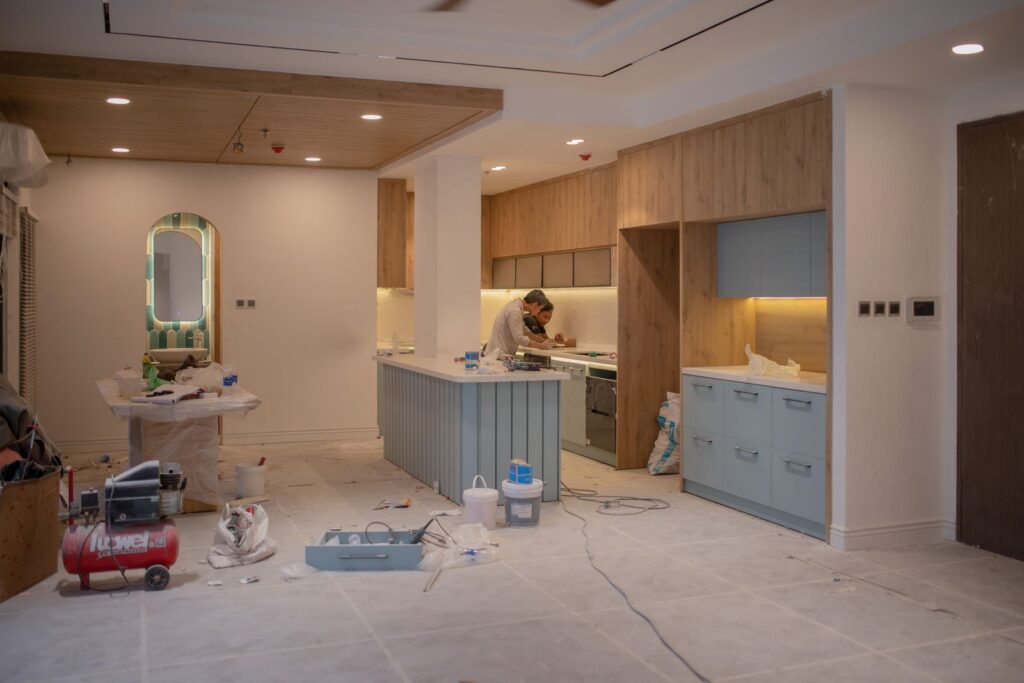
Kitchen and bathroom fitters take out old kitchens and bathrooms and install new units, worktops, appliances and bathroom suites, working from design plans.
- Starter pay
- £24,000
- Experienced pay
- £45,000
- Training
- 18 months
- Site card
- CSCS Blue Skilled Worker card (Kitchen Installer)
Coming to the Tradefox app. The app trains electricians today, with more trades coming.
Quick self-check · 5 questions
Is this trade for you?
Five honest statements about the job. Pick the answer that fits you best. It’s not a test, and lots of people grow into a trade.
Think about each of these. If most sound like you, this trade could suit you.
- You care about a neat, tidy finish. Good hand skills and care with finishes matter on every job.
- You're comfortable with accurate measuring. You measure up and set out rooms from design plans.
- You're happy working in customers' homes. Much of the work is in people's homes, so tidy working and customer service count.
- You enjoy solving problems when things aren't straight. Problem solving when walls aren't straight is listed as a key skill.
- You're happy working alongside other trades. You work with plumbers, electricians and gas engineers to finish the job.
What people like
- You hand over a finished room the customer will use every day
- Variety: units, worktops, suites, showers, tiling and flooring
- Work for retailers, manufacturers, builders or yourself
What can be hard
- Lifting, bending and carrying are part of every fit
- Old walls and floors are rarely straight
- Gas and some electrical work must be done by registered engineers
Next steps
Compare similar trades
A day on site
- Measuring up and setting out the room from the design plans
- Marking where pipes and cables run before you cut or fix
- Stripping out old units and suites and getting rid of waste safely
- Assembling and fitting units, worktops, panels and boxing
- Fitting bathroom suites, showers and appliances
- Tiling walls and laying flooring
- Working alongside plumbers, electricians and gas engineers, then handing over to the customer
Where you work
- Customers' homes
- New-build housing sites
- Offices and other businesses
- For retailers, manufacturers and builders, or self-employed
- Sometimes working away from home
Skills you need
- Accurate measuring and maths
- Good hand skills and care with finishes
- Reading design plans
- Physical fitness for lifting, bending and carrying
- Problem solving when walls aren't straight
- Customer service and tidy working
- Teamwork with other trades
Practise the maths with our free calculators ›
Routes in
Apprenticeship
Typically 18 months; check with your training provider
In England, the Fitted Interiors Installer Level 2 apprenticeship covers kitchens, bathrooms, bedrooms and offices. Apprenticeships in joinery, wall and floor tiling or plumbing can also lead into the job. You'll usually need some GCSEs, including English and maths, or equivalent.
Find an apprenticeship (apprenticeship) (opens in new tab)College course
Usually 1 to 2 years
Courses in construction skills, carpentry and joinery, plumbing, fitted interiors or kitchen and bathroom installation teach the basics. Entry requirements vary by course.
Find a course (college course) (opens in new tab)From a related trade
Varies
Many fitters come from joinery, plumbing, tiling or plastering and apply directly with their existing experience and qualifications.
Find out more (from a related trade) (opens in new tab)Experienced worker route
Varies with experience
If you already fit kitchens, you can be assessed for the Level 2 NVQ Certificate in Fitted Interiors (Kitchen Installer). CITB lists this route for England, and it can lead to the blue CSCS Skilled Worker card (Kitchen Installer).
Find out more (experienced worker route) (opens in new tab)A typical route
- School or college
- Fitted Interiors Installer Level 2 apprenticeship
- End-point assessment
- Blue CSCS Skilled Worker card
- Experienced fitter or own business
Find an apprenticeship near you
Compare every way in on the routes hub ›
Qualifications by nation
England
- Fitted Interiors Installer Level 2 apprenticeship
- Level 2 NVQ Certificate in Fitted Interiors (Kitchen Installer)
Scotland
- CITB lists a Scottish Modern Apprenticeship in fitted interiors, and an SVQ for experienced kitchen installers, as still to be developed. You could start with a joinery or plumbing apprenticeship instead
Wales
- CITB says there's no dedicated fitted interiors apprenticeship yet. You could start with a joinery or plumbing apprenticeship instead
Northern Ireland
- CITB says there's no dedicated fitted interiors apprenticeship yet. You could start with a joinery or plumbing apprenticeship instead
Cards for site
CSCS Blue Skilled Worker card (Kitchen Installer)
Needs a construction-related Level 2 NVQ or SVQ, such as Fitted Interiors (Kitchen Installer), or a completed apprenticeship, plus the CITB Health, Safety and Environment test. Many new-build sites ask for it; work for householders usually doesn't.
Visit the CSCS Blue Skilled Worker (Kitchen Installer) site (opens in new tab)Gas Safe Register
Fitting or connecting a gas hob or cooker counts as gas work, so it must be done by a Gas Safe registered engineer.
Visit the Gas Safe Register site (opens in new tab)Electrical work (Part P)
In England, a new consumer unit, a new circuit, or changes to existing circuits in the space around a bath or shower must be notified to building control or done by an electrician registered with a competent person scheme.
Visit the Electrical work (Part P) site (opens in new tab)Not sure which card?
Answer a few questions and we’ll point you to the right card and test.
Use the card finder ›What you could earn
Apprentice
At least £8.00an hour
The apprentice minimum wage from 1 April 2026. Many employers pay more.
Starter (about)
£24,000a year
Experienced (about)
£45,000a year
Pay depends on location, whether you're paid per job or per day, and whether you're employed or self-employed. Source: National Careers Service: kitchen and bathroom fitter (opens in new tab), 2026.
Where it can lead
- Site supervisor or project manager
- Estimator
- Kitchen and bathroom designer using CAD
- Shop fitting
- Trainer
- Running your own business
Myths and facts
Stay safe on site
Useful guides
Related trades
Plumber
Plumbing and heating engineers install, service and repair water supply, drainage and heating systems in homes and other buildings.
£46,000Experienced
Explore plumber ›
Carpenter & joiner
Carpenters and joiners make and fit the timber parts of buildings, from roofs, floors and stud walls to doors, staircases and kitchens.
£40,000Experienced
Explore carpenter & joiner ›
Plasterer
Plasterers give walls and ceilings a smooth finish ready for decorating, apply render to outside walls, and make decorative plaster mouldings.
£38,000Experienced
Explore plasterer ›Questions
How do I become a kitchen fitter?
Take the Fitted Interiors Installer Level 2 apprenticeship in England, a college course, or move across from joinery, plumbing or tiling.
Do kitchen fitters need a CSCS card?
On construction sites, often yes. CITB lists the blue Skilled Worker card (Kitchen Installer). Work for householders usually doesn't need one.
Can a kitchen fitter connect a gas hob?
Only if they're Gas Safe registered. Connecting a gas hob or cooker counts as gas work.
Can I be self-employed?
Yes. Many fitters work for themselves, and others work for builders, retailers or manufacturers.
How long does it take to become a kitchen fitter?
The Level 2 Fitted Interiors Installer apprenticeship, which covers kitchens, bathrooms and bedrooms, typically takes around 18 months. Apprenticeships in joinery, tiling or plumbing may also be accepted. Other routes include college courses, or applying directly if you already have experience in a related trade.
Can I become a kitchen fitter at 30 or 40?
Yes. Many fitters move across from joinery, plumbing, tiling or plastering, and experience in a related trade can get you hired directly. Apprenticeships are open to anyone aged 16 or over who isn't in full-time education, and relevant experience can mean less time in training.
Do kitchen fitters need to be electricians or plumbers?
Not necessarily, but some parts of a refit are controlled. Notifiable electrical work, such as work near a bath or shower, must be done by a registered competent person or approved by building control. Anyone paid to work on gas appliances in homes must be Gas Safe registered. Fitters often work alongside electricians and plumbers.
Sources (5)
- National Careers Service: kitchen and bathroom fitter (opens in new tab)
- Find apprenticeship training: Fitted interiors installer (level 2) (opens in new tab)
- CITB: Routes to competence, kitchen fitter (opens in new tab)
- HSE: Domestic gas safety FAQs (opens in new tab)
- Planning Portal: Electrics, building regulations (opens in new tab)
Rules and fees change, so always check the official sources linked on this page. Last reviewed 21 November 2026.