
Development: Forest Research release published 19 November 2026; data to September
The price index for British softwood sawlogs fell by 7.8% in cash terms in the six months to September compared with the same period a year earlier, Forest Research has reported.
After allowing for inflation, the fall was 10.2%. The average sawlog sale price was £55.02 per cubic metre overbark, against £59.70 in the corresponding 2025 period.
The release, published on 19 November, also records lower prices for coniferous standing sales and small roundwood. It provides evidence of conditions in part of the domestic timber market, rather than a direct measure of prices for finished joinery products.
The indices cover sales by the public forestry bodies in England, Scotland and Wales. Sawlog figures concern roundwood sold at roadside; they do not describe the price charged by a merchant for kiln-dried, graded structural timber.
The distinction is important for carpentry businesses comparing the headline fall with their own quotations. Processing, specification, transport and other supply arrangements stand between a harvested log and a delivered construction product.
Forestry England's published sales programme illustrates the upstream market the statistics help describe. It sets out a series of timber sale events during the financial year, with catalogues and purchaser reports showing the material brought to market.
The programme distinguishes standing sales, where the purchaser undertakes harvesting, from direct production of round timber products. Those are different commercial arrangements and should not be treated as interchangeable prices for the same finished item.
For a contractor, the useful question is whether a supplier's current offer reflects the particular species, grade, treatment and delivery required. The official indices can provide background to that conversation but cannot determine what a merchant must charge.
The new figures show a fall at the public-forest end of the supply chain. Whether and when that translates into a change in a specific carpentry material depends on the stages in between. Businesses should retain the distinction between a market indicator and an actual price available for a job.
Sources: Forest Research: timber price indices to September 2026; Forest Research: statistics and release calendar; Forestry England: timber sales and market arrangements.
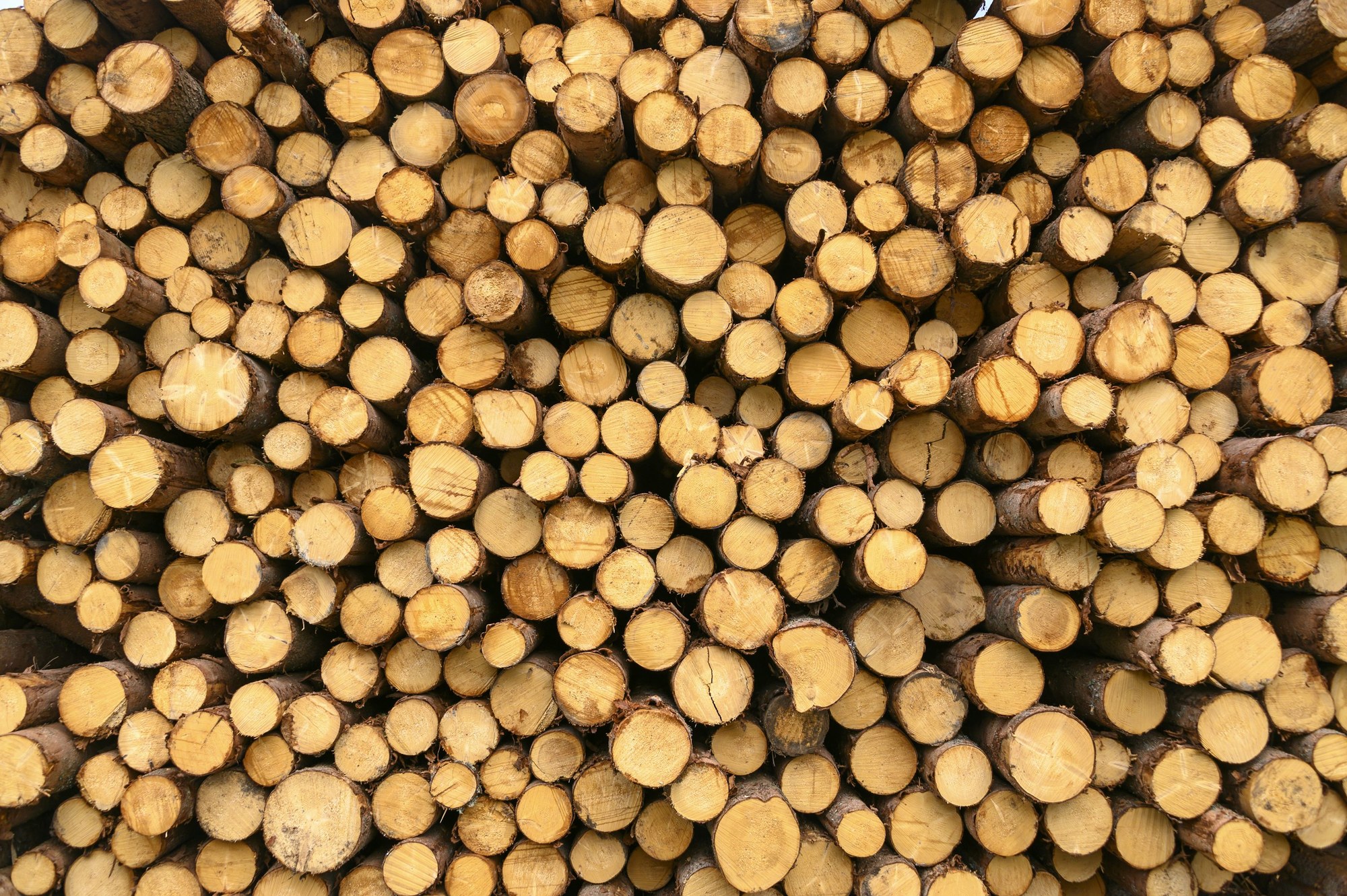
Stacked logs, illustrative stock photographed in Italy. These are not identified as timber sold through the British public-forest sales measured in the price index. Image credit: Etienne Girardet / Unsplash. Unsplash License.
Share article
Was this article helpful?
Thanks — that helps us improve these guides.