

Interim results published: 24 November 2026 · period ended 26 September
Severfield has returned to a statutory pre-tax profit in its first half, while lifting expectations for underlying earnings for the full financial year. The structural steel group’s results cover the six months to 26 September 2026.
Revenue rose 20% to £239.1m. Pre-tax profit from continuing operations was £2.1m, compared with a restated £6.3m loss a year earlier. Underlying pre-tax profit, which is a separate adjusted measure, rose to £7m from £1.8m.
The group reported a £629m UK and Europe order book and said its full-year underlying profit expectations had moved towards the upper end of the existing £12m–£15m range. It also reported approximately £6m of net annualised cost reductions. Net debt excluding lease liabilities stood at £44.8m. The figures are unaudited and relate to the first half of its FY27 financial year.
The improvement comes after a broader strategy reset set out in the company’s annual report in June. That plan prioritises more selective bidding, better-quality margins, cash generation and disciplined investment. Severfield said it wanted to concentrate on projects where engineering capability and delivery certainty offered a competitive advantage, rather than pursuing revenue without regard to the risk attached to individual contracts.
The annual report described opportunities across commercial and industrial construction, defence, transport infrastructure, nuclear, data centres and energy. It also outlined a more integrated service covering design, manufacturing, logistics and construction. For customers, that means the company is placing greater emphasis on how a structure will be engineered and delivered, alongside the supply of fabricated steel itself.
A subsequent leadership appointment provides a practical example of that approach. On 9 November, Severfield announced Simon Nicholas as chief technical officer and an executive committee member, reporting to chief executive Paul McNerney. His remit covers engineering and design across the UK, Europe and India. The company identified earlier engagement with clients, including through pre-construction services agreements, as a priority. It said the intention was to shape designs before manufacture and site delivery. The appointment places responsibility for that technical coordination with a single executive across the group’s principal operating regions.
Rail work is another part of the picture. An October announcement confirmed Severfield Structural Solutions as one of three suppliers selected for a £70m steel piles framework within Network Rail’s wider £240m steel supply procurement. The contracts are due to start in January 2027 for six years, with a possible two-year extension. The piles support overhead line equipment. Those framework values cover the purchasing arrangements, rather than revenue guaranteed to Severfield alone.
Taken together, the results, technical appointment and rail selection show a business trying to improve both its financial performance and the quality of work it accepts. They should not be read as evidence that every part of the steelwork market has recovered. A larger order book provides visibility, but the eventual margin and cash return still depend on completing those projects successfully.
For main contractors assessing steelwork capacity, the useful distinction is between confirmed orders, framework access and management’s earnings guidance. Each signals something different. The interim profit is already reported, while the full-year outcome and the timing of future framework orders remain ahead.
Sources · Severfield interim results via RNS · Severfield annual report 2026 · Severfield chief technical officer appointment · Severfield Network Rail framework announcement via Rail UK
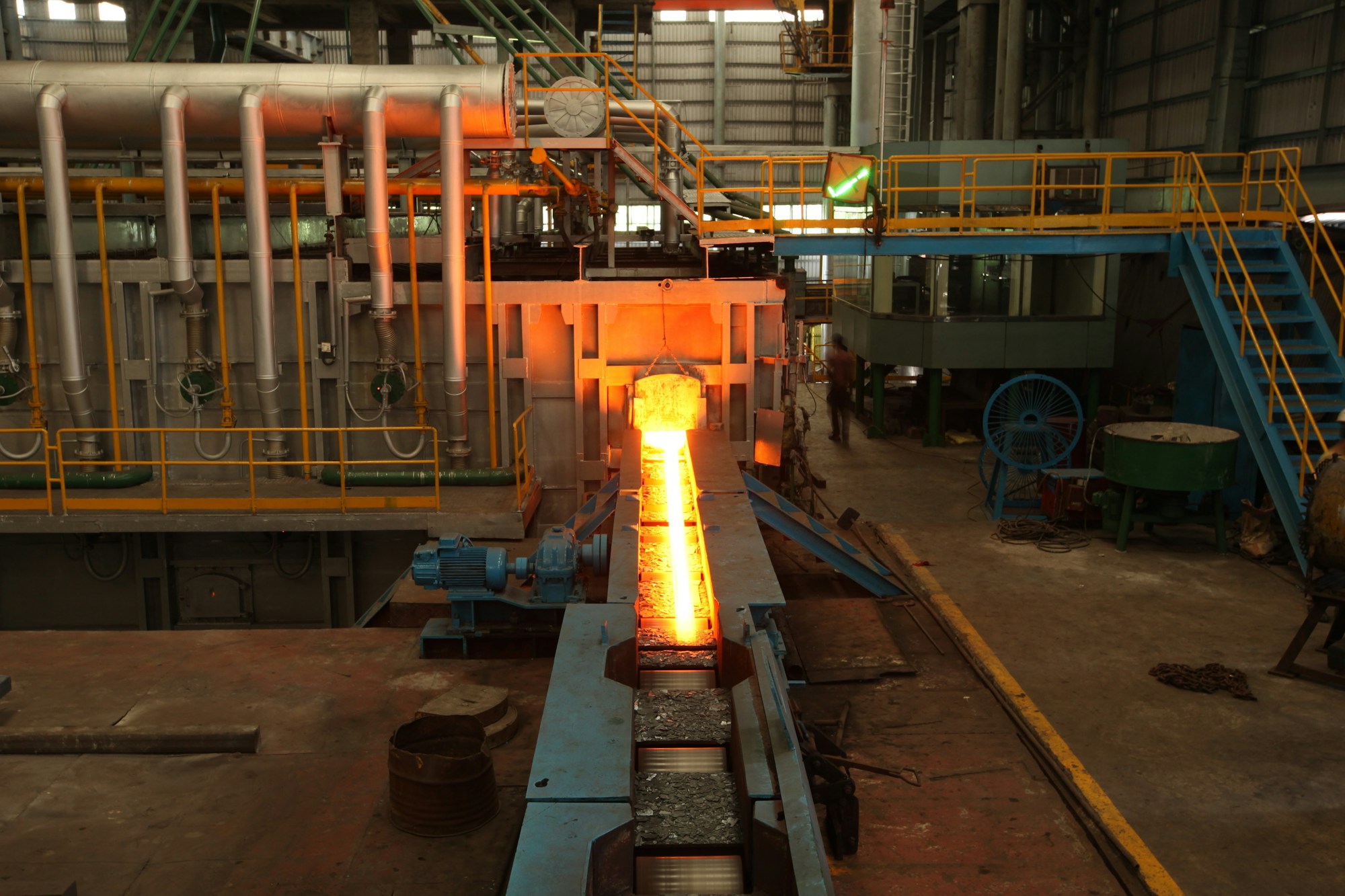
Steel production, illustrative stock. This is not a Severfield facility. Image credit: NIloy Tanvirul · Unsplash License.
Share article
Was this article helpful?
Thanks — that helps us improve these guides.