
Development: Announced 19 November 2026
The energy regulator has launched an urgent inquiry into why many electricity projects face later grid connection dates despite a major overhaul intended to clear the queue.
Ofgem said the majority of projects in the reformed queue were seeing delays rather than improvements against their previous position. Its initial investigation covers protected projects and the first phase of the new process.
The regulator said removing speculative capacity had produced a more credible pipeline. But it wants to establish why that has not translated into earlier connections for many customers, and whether performance differs between network companies.
It has asked the National Energy System Operator and networks to make connection dates and the reasons for changes more transparent. Ofgem also said it would consider enforcement where the inquiry finds a material breach of licence obligations.
The announcement is significant for contractors whose work depends on an energisation date. A scheme can have land, planning permission and installation work in place while still being unable to operate as intended without its connection.
NESO's published timetable puts Phase 1 transmission and large embedded offers between mid-May and the end of October, with a small number needing additional time. Distribution offers run from early July to the end of November, although some complex network assessments may take longer.
An offer date is different from the date electricity can flow. The offer sets out the connection arrangements; delivery still depends on the works and conditions attached to it. Developers and their electrical contractors therefore need to read the individual terms rather than treat the programme timetable as a construction completion promise.
NESO says affected customers will be informed directly where timings change. It also points to an industry dashboard for weekly progress, providing another means of checking whether a delayed offer reflects a wider problem.
Ofgem is exploring stronger automatic compensation arrangements and more frequent performance reporting. Those are developments to follow, rather than a guarantee that every delayed project will receive compensation. The immediate test for the inquiry is whether it explains the slippage and produces connection dates that customers can plan around.
Sources: Ofgem: connection delays inquiry; NESO: connections reform timetable.
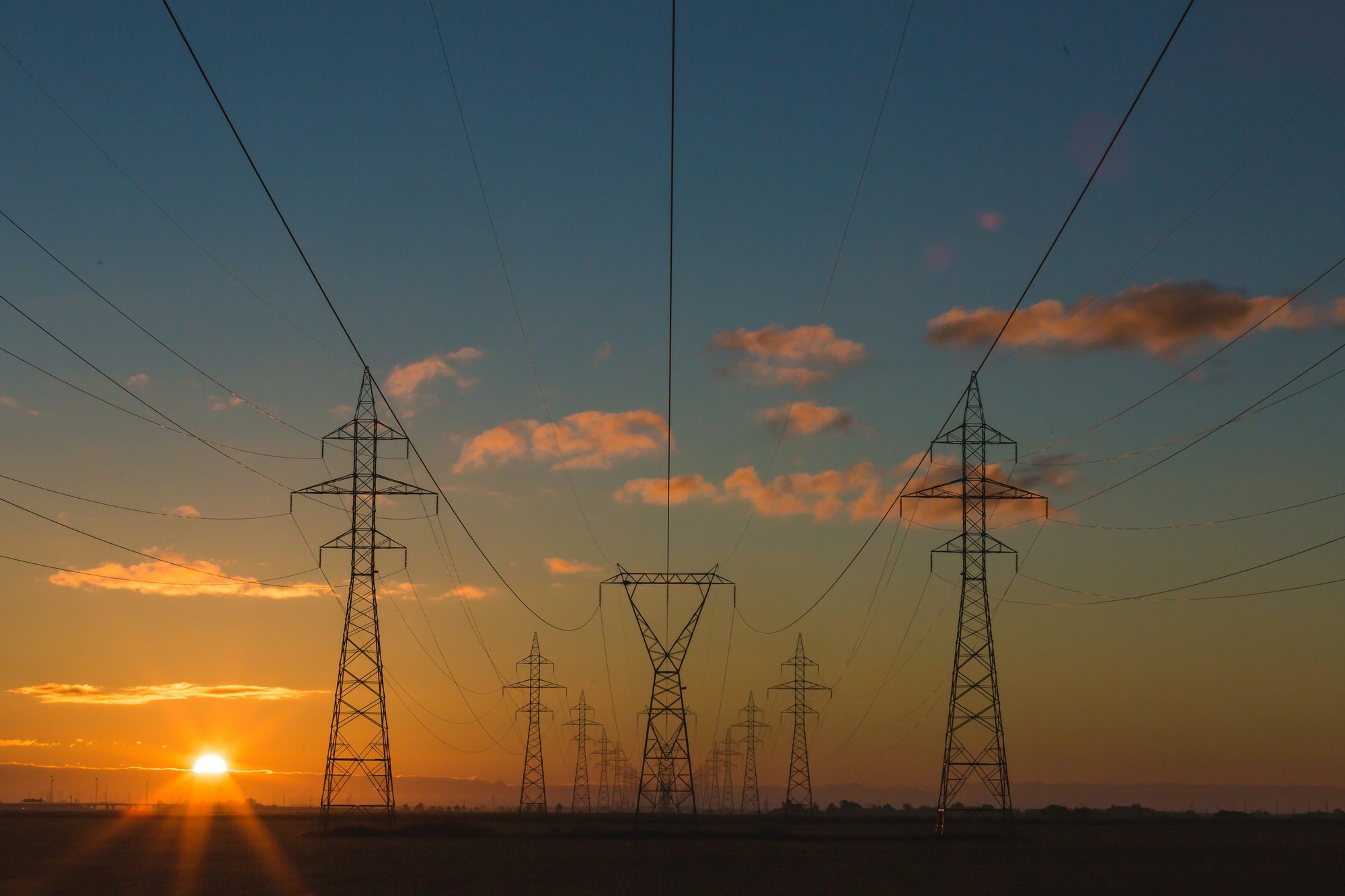
Electricity transmission infrastructure, illustrative stock. The photograph does not identify a project affected by the Ofgem inquiry. Image credit: Matthew Henry / Unsplash. Unsplash License.
Share article
Was this article helpful?
Thanks — that helps us improve these guides.