
Development: Cement and Lime Summit, Westminster, reported 27 November 2026
Britain’s cement and lime makers have warned that production, jobs and investment could move overseas unless the government gives firmer backing to carbon capture.
Producers including Breedon, Tarmac, Holcim and Buxton Lime gathered in Westminster with MPs, trade unions and campaign groups for a Cement and Lime Summit.
Those attending signed a Cement and Lime Charter, which commits them to protecting and decarbonising the two industries.
Why carbon capture matters
Making cement and lime releases large amounts of carbon dioxide, much of it from the chemistry of heating limestone rather than from fuel. That means the industries cannot reach net zero simply by switching to cleaner energy.
David Parkin, chief executive of the Peak Cluster project, said Britain risked losing production and becoming more reliant on imported materials. He added that “with the right support for carbon capture, Britain can make its own sustainable cement and lime”.
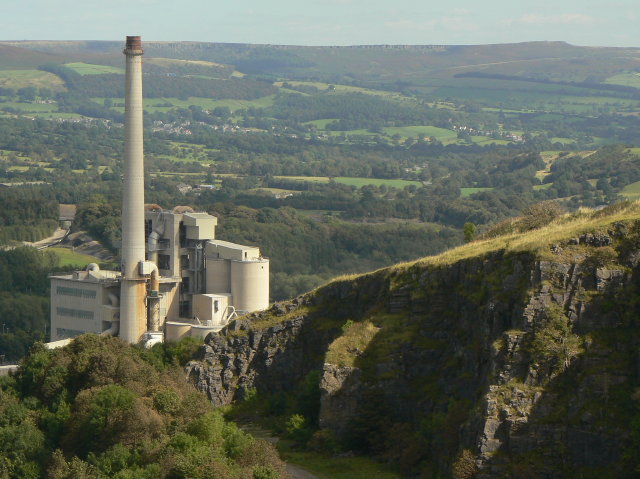
Peak Cluster aims to capture more than three million tonnes of CO₂ a year from four major cement and lime plants in Derbyshire and Staffordshire. The gas would be piped underground for permanent storage beneath the East Irish Sea.
Who was there
- The Mineral Products Association and the Global Cement and Concrete Association
- The Carbon Capture and Storage Association
- The GMB, Unite and the TUC
- MPs from across the House, including Jon Pearce
What it means for trades
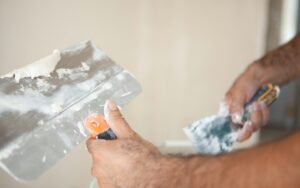
Cement and lime are in almost every job on site, from concrete and mortar to render and plaster. Bricklayers, plasterers and groundworkers depend on a steady supply at a stable price.
The industry’s argument is that if UK plants close, builders would rely more on imports, leaving prices more exposed to shipping costs and exchange rates. The government has not yet responded to the charter.
Sources · The Construction Index · Mineral Products Association
Main image: Hope Cement Works, Derbyshire. © Alan Murray-Rust, licensed under CC BY-SA 2.0 via Geograph.
Share article
Was this article helpful?
Thanks — that helps us improve these guides.