

Developers building new homes in England now face a Building Safety Levy, which took effect on 1 October 2026. The money will pay to fix building safety defects, such as unsafe cladding, across the country.
Who pays
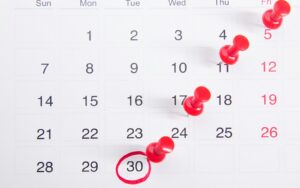
The levy applies to building control applications or notices made on or after 1 October 2026 for new dwellings, new purpose-built student accommodation, or a change of use to residential. Applications submitted before that date are not caught, even if they are later varied. Non-profit registered social housing providers are exempt.
Local authorities collect the levy, which is charged per square metre of floorspace. Rates differ by area, with higher rates where house prices are higher, and a discount for building on previously developed land. It must be paid before completion or occupation, whichever comes first. If it is not paid, the completion or final certificate can be held back.
More approvals at Gateway 2
Separately, the Building Safety Regulator (BSR) reported in October that 87% of Gateway 2 decisions in the 12 weeks to 5 October 2026 were approvals, up from 84%. Approvals for remediation of existing buildings reached 87%, compared with 32% a year earlier. For new higher-risk buildings, 55 of 57 decisions were approvals, with a median approval time of 23 weeks.
BSR warned that applications made before 1 October that are rejected and resubmitted afterwards may become liable for the levy. It says it is giving these cases extra scrutiny before rejecting them.
What it means for trades
Faster approvals should mean more higher-risk residential projects moving to site, along with continued remediation work. Contractors on these jobs should expect close scrutiny of competence and records under the Building Safety Act.
Related guide: Building Safety After Grenfell: Accountability Beyond the Paperwork
Sources: Great Yarmouth Borough Council: Building Safety Levy effective from 1 October 2026; Building Safety Regulator bulletin, 8 October 2026; GOV.UK: Building Safety Levy guidance.
Photo: Mike Hindle / Unsplash
Share article
Was this article helpful?
Thanks — that helps us improve these guides.