




Roofer
Also called: Slater, Flat roofer, Roofing operative
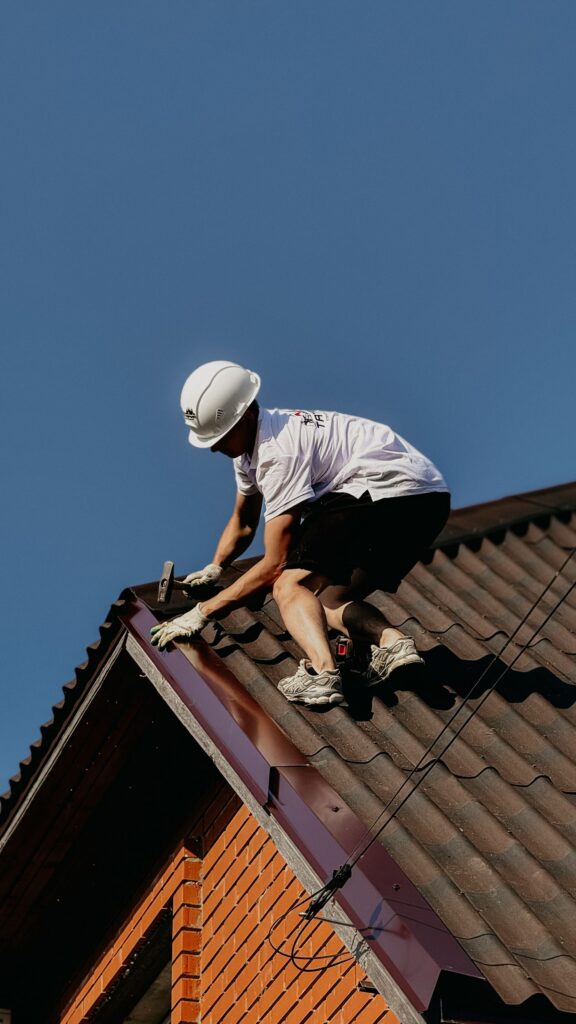
Roofers fit, repair and replace roofs, from slate and tile pitched roofs to flat roofs with waterproof membranes, sheeting and cladding.
- Starter pay
- £26,000
- Experienced pay
- £42,000
- Training
- 2 years
- Site card
- CSCS card
Coming to the Tradefox app. The app trains electricians today, with more trades coming.
Quick self-check · 5 questions
Is this trade for you?
Five honest statements about the job. Pick the answer that fits you best. It’s not a test, and lots of people grow into a trade.
Think about each of these. If most sound like you, this trade could suit you.
- You're comfortable working at height. Being comfortable working at height is the first skill listed.
- You're happy outdoors. Roofing is outdoor work on housing, commercial and heritage buildings.
- You take safety checks seriously. Every job starts with checking access and edge protection before anyone goes up.
- You like practical, hands-on work. You strip, batten, lay tiles or slates and make joints watertight.
- You enjoy working in a team. Working well in a team is a key skill.
What people like
- Skilled specialisms, from slating to waterproof membranes
- Heritage and listed buildings for those who want specialist work
- Routes into supervision, surveying, heritage work or your own business
What can be hard
- Working at height every day
- Outdoors in all weathers
- Physical work carrying and fixing materials
Next steps
Compare similar trades
A day on site
- Checking the job, the access and the edge protection before anyone goes up
- Measuring roof areas and working out how many tiles, slates or sheets are needed
- Stripping old coverings and checking the roof timbers underneath
- Laying battens, membranes and insulation, then fixing tiles, slates or sheets
- Fitting flashings and making joints watertight on flat roofs
- Clearing up offcuts and old materials safely at the end of the day
Where you work
- New-build housing sites
- Homes, for repairs and re-roofs
- Commercial and industrial buildings
- Heritage and listed buildings
Skills you need
- Comfortable working at height
- Practical, hands-on ability
- Accurate measuring and basic maths
- Attention to detail
- Physical fitness
- Working well in a team
- Using hand and power tools safely
Practise the maths with our free calculators ›
Routes in
Apprenticeship
About 2 years
The Level 2 roofer apprenticeship combines paid work with off-site training. You can specialise in slating and tiling, waterproof membranes, or sheeting and cladding. Employers usually ask for some GCSEs, often including English and maths.
Find an apprenticeship (apprenticeship) (opens in new tab)College course
Varies by course
College courses in roof slating and tiling, roofing occupations or general construction skills teach the basics before you look for work. Entry requirements vary by college.
Find a course (college course) (opens in new tab)Start as a labourer
Varies
Some people start as a roofing labourer and learn on the job, working towards qualifications as they go.
Find out more (start as a labourer) (opens in new tab)Career changer
Varies
Adults with other building experience can apply directly to roofing firms, and may be able to take an apprenticeship at any age.
Find out more (career changer) (opens in new tab)A typical route
- School or college
- Roofer apprenticeship (Level 2)
- End-point assessment
- CSCS card
- Qualified roofer
Find an apprenticeship near you
Compare every way in on the routes hub ›
Qualifications by nation
England
- Roofer Level 2 apprenticeship (specialisms include slating and tiling, membranes, or sheeting and cladding)
- College courses in roof slating and tiling or roofing occupations
Scotland
- Apprenticeships are run through Skills Development Scotland. Search for construction Modern Apprenticeships at apprenticeships.scot.
Wales
- Search for construction apprenticeships through Careers Wales.
Northern Ireland
- Search for construction apprenticeships through nidirect (ApprenticeshipsNI).
Cards for site
- CSCSRedApprentice
Red · Apprentice - CSCSBlueSkilled Worker
Blue · Skilled Worker - CSCSGoldAdvanced Craft
Gold · Advanced Craft
Illustration, not the official card design.
CSCS card
Most sites ask for a Construction Skills Certification Scheme (CSCS) card, or an equivalent, before you can work there. To apply, you must pass the CITB health, safety and environment (HS&E) test or an approved alternative.
Visit the CSCS site (opens in new tab)Not sure which card?
Answer a few questions and we’ll point you to the right card and test.
Use the card finder ›What you could earn
Apprentice
At least £8.00an hour
The apprentice minimum wage from 1 April 2026. Many employers pay more.
Starting out (about)
£26,000a year
Experienced (up to)
Up to £42,000a year
Up to about £42,000 a year
Pay depends on where you work, your specialism, overtime and whether you're employed or self-employed. Source: National Careers Service: roofer (opens in new tab), 2026.
Where it can lead
- Roofing supervisor or site manager
- Roofing surveyor
- Heritage roofing specialist
- Solar panel installation, with extra training
- Running your own roofing business
Myths and facts
Stay safe on site
Useful guides
Related trades

Solar PV installer
Solar PV installers design, fit and maintain solar panel systems on homes and commercial buildings, often with battery storage.
£47,000Experienced
Explore solar pv installer ›
Scaffolder
Scaffolders put up, alter and take down the temporary structures that let everyone else work safely at height.
£51,000Experienced
Explore scaffolder ›
Site supervisor
Site supervisors run the day-to-day work on a construction site, keeping it safe, on schedule and built to standard.
£60,000Experienced
Explore site supervisor ›Questions
Do I need qualifications to become a roofer?
Not always to start. Many roofers begin through an apprenticeship or as a labourer, and employers often look for some GCSEs, including English and maths.
How long does it take to become a roofer?
Most people train through a Roofer Level 2 apprenticeship, which typically takes around 24 months. You can also take a college course in roof slating and tiling or built-up felt roofing to help you get a trainee job, or start as a roofer's mate and work towards roofing qualifications on the job.
Is roofing safe?
Falls through fragile roofs and from edges are a serious risk, so good employers plan the work with edge protection, safe access and covers or staging over fragile areas.
Do roofers need a CSCS card?
Most construction sites ask for a CSCS card or equivalent. To apply, you must pass the CITB HS&E test or an approved alternative.
Can I become a roofer with no experience, and which card do I need?
Yes. You can start as a roofing labourer or roofer's mate and train on the job, or apply for an apprenticeship. You'll need a CSCS card or equivalent to work on site. Labourers usually apply for the green CSCS Labourer card, which needs the CITB HS&E test plus a Level 1 Award in Health and Safety in a Construction Environment.
What types of roofer are there?
The roofer apprenticeship sets out three specialisms. Roof slaters and tilers fit slate and tile coverings. Waterproof membranes installers apply protective membranes to flat roofs. Roof sheeters and cladders fit metal sheet roofing, mostly on commercial buildings. Thatching is a separate trade with its own apprenticeship.
Sources (5)
Rules and fees change, so always check the official sources linked on this page. Last reviewed 21 November 2026.