




Groundworker
Also called: Construction operative, Groundworks operative
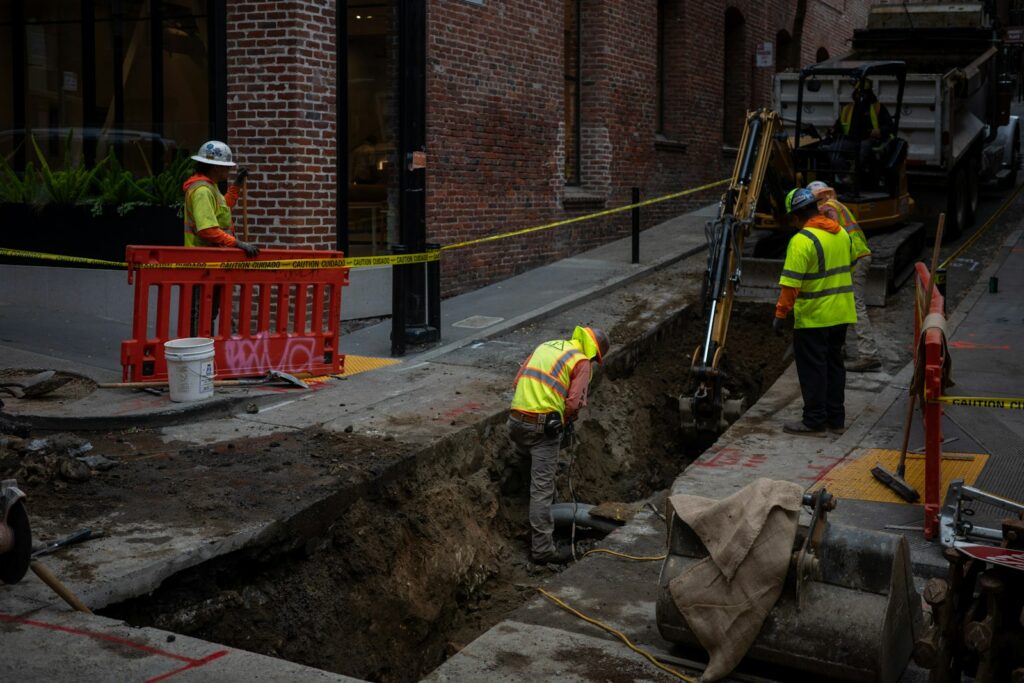
Groundworkers prepare a site before building starts, digging foundations, laying drainage and building roads, paths and kerbs.
- Starter pay
- £23,000
- Experienced pay
- £35,000
- Training
- about 18 months, plus assessment
- Site card
- CSCS card
Coming to the Tradefox app. The app trains electricians today, with more trades coming.
Quick self-check · 5 questions
Is this trade for you?
Five honest statements about the job. Pick the answer that fits you best. It’s not a test, and lots of people grow into a trade.
Think about each of these. If most sound like you, this trade could suit you.
- You're happy working outdoors in all weathers. Working in all weathers is listed as a key part of the job.
- You like seeing the first stage of a build happen. Groundworkers build the foundations everything else depends on.
- You're comfortable with basic maths and reading levels. Setting out from drawings and laying drainage to exact falls needs it.
- You take safety around machines and trenches seriously. You work in excavations alongside plant operators, so safety awareness is essential.
- You enjoy physical, team-based work. Physical fitness and teamwork with plant operators and supervisors matter.
What people like
- Your work is the base for everything that follows
- Clear ways up: leading hand, supervisor, plant, drainage or civil engineering
- Work on housing, commercial, roads and infrastructure
What can be hard
- Outdoors in all weathers
- Physically tough work
- Excavations and plant mean real hazards to manage every day
Next steps
Compare similar trades
A day on site
- Setting out trenches, foundations and levels from drawings
- Checking for underground services before any digging
- Digging and supporting excavations, often alongside plant operators
- Laying drainage pipes to the right fall
- Helping with concrete pours for foundations and slabs
- Building kerbs, paths, roads and hard landscaping
Where you work
- New-build housing sites
- Commercial developments
- Roads and infrastructure
- Landscaping and drainage jobs
Skills you need
- Reading drawings and levels
- Physical fitness
- Working in all weathers
- Teamwork with plant operators and supervisors
- Safety awareness around excavations and plant
- Basic maths for setting out
Practise the maths with our free calculators ›
Routes in
Apprenticeship
Typically about 18 months, plus assessment
The Level 2 groundworker apprenticeship covers site preparation, drainage, concrete and related work, while you earn.
Find an apprenticeship (apprenticeship) (opens in new tab)Start as a labourer
Varies
Many groundworkers start in a general construction or labouring role and learn on the job.
Find out more (start as a labourer) (opens in new tab)College course
Varies
A construction course teaches the basics of tools, materials and site safety before you look for work.
Find a course (college course) (opens in new tab)Career changer
Varies
Adults can apply directly to groundworks firms, and may be able to take an apprenticeship at any age.
Find out more (career changer) (opens in new tab)A typical route
- School or college
- Groundworker apprenticeship (Level 2)
- End-point assessment
- CSCS card
- Groundworker
- Groundworks supervisor
Find an apprenticeship near you
Compare every way in on the routes hub ›
Qualifications by nation
England
- Groundworker Level 2 apprenticeship
- College construction courses
Scotland
- Apprenticeships are run through Skills Development Scotland. Search for construction Modern Apprenticeships at apprenticeships.scot.
Wales
- Search for construction apprenticeships through Careers Wales.
Northern Ireland
- Search for construction apprenticeships through nidirect (ApprenticeshipsNI).
Cards for site
- CSCSGreenLabourer
Green · Labourer - CSCSBlueSkilled Worker
Blue · Skilled Worker - CSCSGoldAdvanced Craft
Gold · Advanced Craft
Illustration, not the official card design.
CSCS card
Most sites ask for a Construction Skills Certification Scheme (CSCS) card, or an equivalent, before you can train or work there. For most cards you'll need to pass the CITB health, safety and environment (HS&E) test first.
Visit the CSCS site (opens in new tab)Not sure which card?
Answer a few questions and we’ll point you to the right card and test.
Use the card finder ›What you could earn
Apprentice
At least £8.00an hour
The apprentice minimum wage from 1 April 2026. Many employers pay more.
Starting out (about)
£23,000a year
Experienced (up to)
Up to £35,000a year
Up to about £35,000 a year
These figures are the National Careers Service range for construction labourers, a profile that includes groundworkers. Pay varies with experience, region, specialism and overtime. Source: National Careers Service: construction labourer (groundworker) (opens in new tab), 2026.
Where it can lead
- Leading hand or chargehand
- Groundworks supervisor
- Plant operator, with extra training
- Site supervisor
- Drainage or civil engineering specialist
Myths and facts
Stay safe on site
Useful guides
Related trades

Scaffolder
Scaffolders put up, alter and take down the temporary structures that let everyone else work safely at height.
£51,000Experienced
Explore scaffolder ›
Plant operator
Plant operators drive and operate the heavy machines on site, such as excavators, dumpers, rollers, telehandlers and cranes.
£45,000Experienced
Explore plant operator ›
Site supervisor
Site supervisors run the day-to-day work on a construction site, keeping it safe, on schedule and built to standard.
£60,000Experienced
Explore site supervisor ›Questions
How do I become a groundworker?
The most common routes are a Level 2 groundworker apprenticeship or starting as a labourer and learning on the job.
Do groundworkers need a CSCS card?
Most sites ask for a CSCS card or equivalent, which usually means passing the CITB HS&E test first.
What does a groundworker earn?
The National Careers Service gives about £23,000 to £35,000 a year for construction labourers, a profile that includes groundworkers.
Is groundworks dangerous?
Excavation collapse, buried services and moving plant are the big risks, which is why trench support, scanning before digging and keeping people and plant apart matter.
How long does it take to become a groundworker?
The Groundworker Level 2 apprenticeship typically lasts about 18 months, plus the end-point assessment. You can also start as a construction labourer and build experience on site. To get the blue CSCS Skilled Worker card, you need a construction NVQ/SVQ Level 2 or a completed apprenticeship, plus the CITB HS&E test.
Can I become a groundworker with no experience, and which card do I need?
Yes. There are no set requirements to apply directly for labouring jobs, which include groundwork roles, though site experience helps. You'll need a CSCS card or equivalent. New starters usually apply for the green Labourer card, which needs the CITB HS&E test and a Level 1 Award in Health and Safety in a Construction Environment.
What does a groundworker do?
Groundworkers are usually the first trade on a construction or civil engineering site. They set out the site and prepare the ground so structural work can begin. Their work also covers installing drainage, concreting, building roads and paths, and laying the finished hard landscaping.
Sources (4)
Rules and fees change, so always check the official sources linked on this page. Last reviewed 24 November 2026.