

If you’ve ever stepped into a room and admired the trim around the windows or watched someone build a porch from the ground up, you’ve probably seen a carpenter at work.
But what does a carpenter really do?
Most people think of someone with a hammer working with wood, and while that’s part of it, there’s a whole lot more going on. Carpentry is about building things that last. It’s a skill, a trade, and in many ways an art.
Carpenters shape the structures we use every day, homes, offices, schools, and everything in between. They’re the ones who make sure walls are straight, cabinets open properly, and stairs don’t squeak under your feet.
More Than Just Wood And Nails
At its heart, carpentry is working with wood and other stuff to build or fix parts of buildings. That could mean framing a new house, installing doors, building kitchen cabinets, or fixing a worn out staircase.
Carpenters don’t just follow plans, they read blueprints, solve problems on site, and adjust when reality doesn’t match the plan. Some jobs take a day. Others take weeks. Every job is different, but the goal is the same: get it right.
The Different Ways You Can Go Into Carpentry
Not every carpenter does the same type of work. Just like any other profession, many end up specializing in the area they enjoy most, or where there’s demand.
Some do rough carpentry, that’s the framing and structural side of things. They work with big beams and heavy-duty materials.
Others do finish carpentry, that’s the detailed work like baseboards, door frames, and trim. It’s precise and visible, the kind of work people notice.
You’ll also find cabinet makers who work in shops rather than on construction sites, building detailed wooden structures like shelves and custom furniture.
And then there are those in the remodeling industry, folks who fix, upgrade, and breathe life back into older buildings. They’re part carpenter, part problem solver, often figuring things out as they go, especially when the house is older than the plans. However, working on older UK properties means knowing how to safely navigate hidden hazards like asbestos and lead paint . A good remodeling carpenter knows how to spot these dangers and when to call in hazardous material specialists.
What It Takes To Be A Good Carpenter
Carpentry isn’t for everyone. You need to be comfortable working with wood, obviously, but there’s more to it than being handy.
What It Takes To Be A Good Carpenter
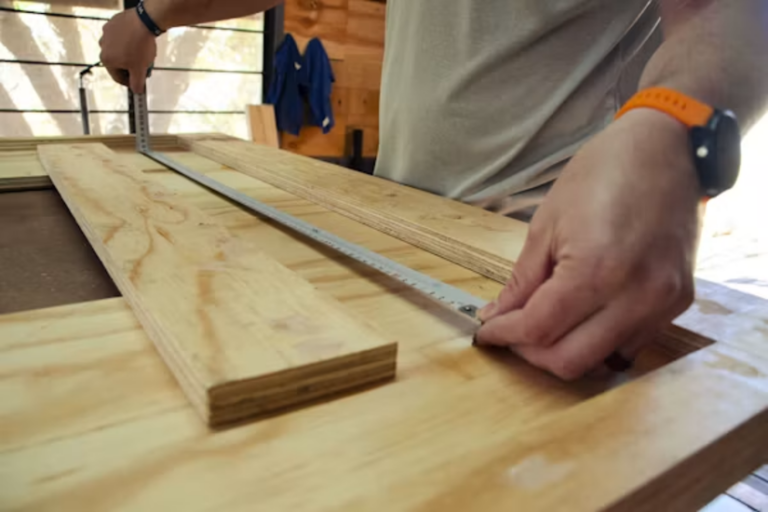
- Math skills to measure and cut without second-guessing
- A good eye for details, things need to be square, level, and snug
- Physical strength and stamina, since a lot of the job is manual
- Problem-solving instincts, especially when things don’t line up
- Ability to read blueprints and follow building codes
Carpenters also need a solid understanding of health and safety practices. In the UK, professionals are trained to strictly follow HSE (Health and Safety Executive) standards to ensure they’re not just building well, but building safely.
Tools Of The Trade
No two carpenters carry exactly the same set of tools, but there are a few basics almost everyone uses. You’ve got your classics—tape measures, hammers, levels—alongside modern power tools like circular saws and impact drills. Crucially, a carpenter’s toolkit also includes their Personal Protective Equipment (PPE). Safety glasses, ear defenders, and FFP3 dust masks are non-negotiable for operating power tools safely and preventing long-term health damage from noise and carcinogenic wood dust.
A carpenter’s relationship with their tools is personal. Ask one about their favorite chisel or saw, and they’ll probably tell you a story. Tools aren’t just equipment, they’re extensions of the hands that build.
Getting Into The Trade
So, how does someone become a carpenter?
Most start by getting a high school diploma or GED. From there, the best path is usually an apprenticeship program. It’s a mix of classroom learning and real-world training, where you work under experienced carpenters and learn everything from job site safety to reading blueprints.
These programs often last a few years, but they pay while you learn, which is more than you can say for most college degrees. Over time, you build up work experience, gain confidence with tools, and develop an understanding of how construction projects come together.
Where Carpenters Work
Carpenters work in all kinds of settings. One day might be spent framing a house in the suburbs. Another might involve installing trim in a downtown office. They might work solo or be part of a larger crew on busy construction sites.
Some go into business for themselves. Others find steady work with local contractors. And increasingly, rookie carpenters and learners are turning to Tradefox to improve their carpentry skills without endangering their life and learning in a dynamic environment.
Why Carpentry Isn’t Going Anywhere
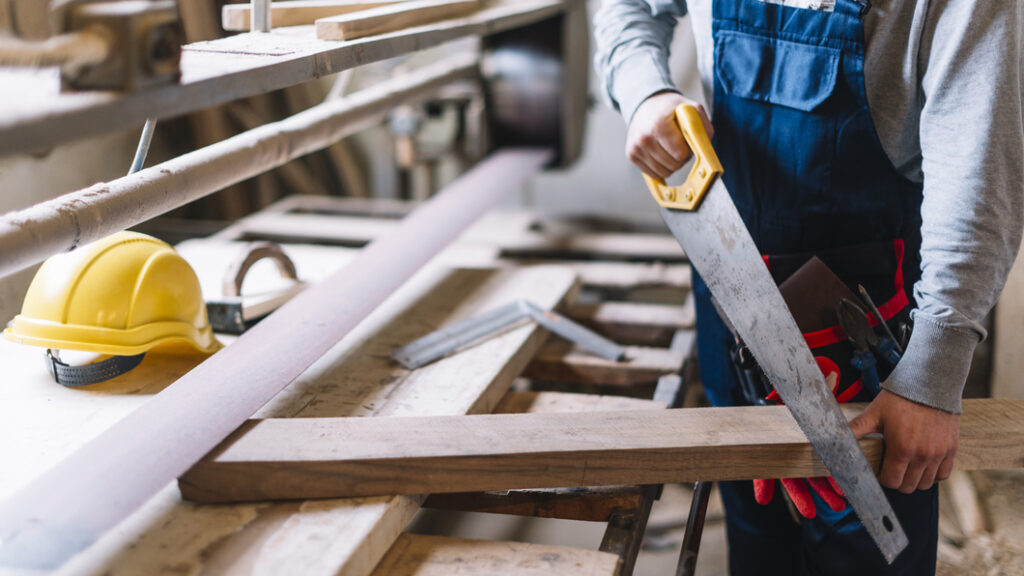
Even with machines and prefab materials on the rise, we still need carpenters. You can’t automate instinct, attention to detail, or years of experience, not when it comes to building something that’s meant to last.
Carpentry is evolving. Today, there’s more emphasis on sustainability, smart building materials, and safe practices guided by HSE standards. Carpenters play a big role in making sure new structures aren’t just built fast, but built right.
And there’s something satisfying about stepping back at the end of the day and saying, “I built that.” That sense of pride doesn’t come easy in most jobs. But in carpentry? It’s part of the deal.
Conclusion
Carpentry is far more than just hammering nails into wood; it is a highly skilled, dynamic trade that physically shapes the world around us. Whether you are framing a new build, crafting custom cabinets, or restoring a historic home, the work requires precision, problem-solving, and a deep respect for safety.
If you like the idea of working with your hands and ending the day with something tangible to show for your effort, carpentry offers a rewarding, lifelong career. And with digital platforms like Tradefox available to help you master the fundamentals safely, there has never been a better time to pick up the tools and start building your future.