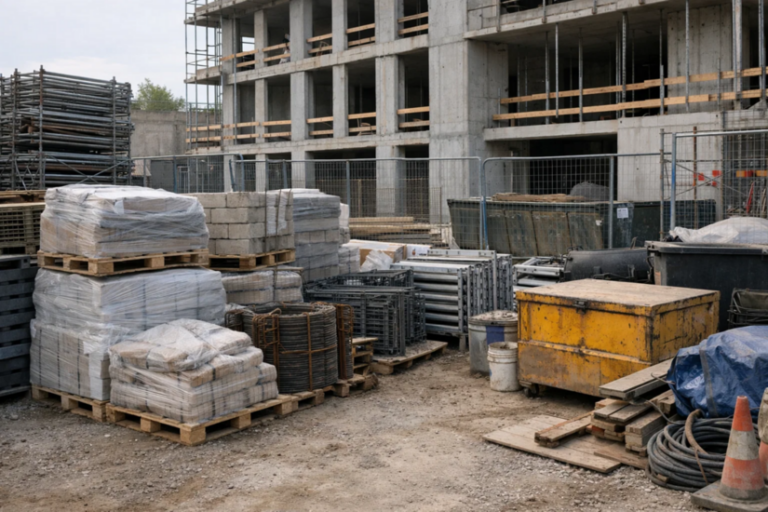



ly to identify defects, incomplete work, or cosmetic issues that require correction. This process is commonly referred to as snagging. A clear and structured snagging list helps contractors, site supervisors, and tradesmen identify issues early and ensure that work meets expected construction standards.
New build properties often involve multiple trades working across different stages of construction. Even when work is carried out professionally, minor defects can occur. A properly managed snagging inspection ensures these issues are recorded, assigned to the correct trade, and closed properly before final completion.
Industry bodies such as the National House Building Council and the Royal Institution of Chartered Surveyors emphasise the importance of structured inspections to confirm that build homes meet recognised quality standards before handover.
This guide explains what should be included in a snagging list, how to conduct a professional snagging inspection, how to record issues clearly, and how to close snags properly in line with UK construction practices.
Understanding The Purpose Of A Snagging List
A snagging list is a document used to record defects, unfinished work, or performance issues identified during a snagging inspection. The purpose of the list is to ensure that problems are documented and resolved before the property is considered complete.
Snagging items typically fall into several categories. Some are cosmetic issues such as paint defects or minor finish problems. Others relate to functional performance, such as doors that do not open and close correctly or fixtures that do not work properly.
A structured snagging list allows site managers to assign corrective work to the appropriate trade. It also creates a clear record showing that issues have been resolved and verified before handover.
Snagging Versus Building Regulations Compliance
It is important to understand that snagging is not the same as building regulations compliance. Building regulations are enforced through inspections carried out by Building Control Bodies. These inspections confirm that structural, fire safety, insulation, and other regulatory requirements have been met.
Snagging inspections focus on workmanship and finishing quality. They ensure that build properties meet professional expectations and contractual standards. Both processes are important but serve different purposes.
Guidance published by the National House Building Council highlights that new homes are typically inspected before completion to ensure workmanship and finishing standards are acceptable.
When A Snagging Inspection Should Be Carried Out
A snagging inspection normally takes place near the end of construction once most trades have completed their work. However, many well-organised projects perform quality checks at multiple stages.
Typical inspection stages may include:
- Pre-completion snagging inspection by the developer
- Client snagging survey before handover
- Post completion checks during the defects liability period
The time required for a snagging inspection depends on the size and complexity of the property. Larger build properties or multi-level homes may require several hours or even multiple inspections to complete.
Areas That Must Be Checked During A Snagging Inspection
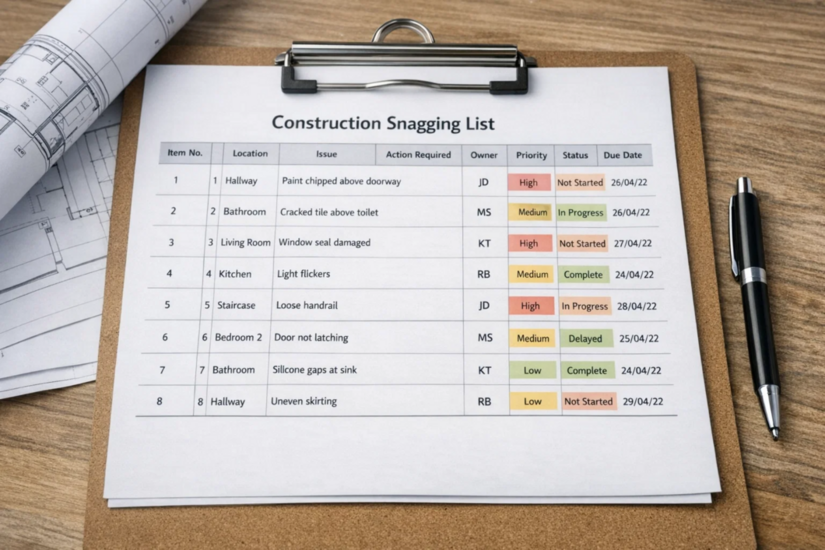
A professional snagging inspection should follow a systematic approach. Inspectors typically move through the property room by room while checking both visual quality and functional performance.
Doors And Windows
Doors should open and close easily without sticking or rubbing against frames. Hinges should be secure and handles should operate smoothly.
Windows should also open and close easily and locking systems should function correctly. Frames should be properly fitted and seals should prevent air leakage.
Doors that fail to open and close smoothly often indicate poorly fitted frames or incorrect installation.
Skirting Boards And Joinery
Joinery work is a frequent source of common snagging issues. Skirting boards should be properly fitted and aligned with the wall surface.
Inspectors should check for:
- Uneven joints
- Visible gaps between boards
- Poor mitre cuts
- Incomplete finishing or paint defects
Poorly fitted joinery can affect the overall finish quality of new build homes and should be corrected before completion.
Sealant And Waterproofing
Sealant should be applied neatly and continuously around sinks, showers, windows, and kitchen worktops.
Areas that are not properly sealed can allow water penetration and cause long term damage. Inspectors should check that sealant lines are complete and that fixtures are properly sealed where required.
Any gaps or poorly finished sealant should be recorded on the snagging list.
Walls, Ceilings, And Surface Finishes
Walls and ceilings should be inspected carefully in good lighting conditions. Cosmetic issues such as dents, paint runs, uneven plastering, or visible patch repairs should be documented.
While some minor surface variation can occur during construction, poorly finished areas should be corrected to ensure a professional final result.
Fixtures, Plumbing, And Mechanical Systems
Plumbing fixtures, heating controls, and ventilation systems should be checked to confirm that they operate correctly.
Taps should run smoothly without leaks and radiators should be securely fitted. Ventilation systems should be operational and free from obstruction.
Any fixture that does not work properly should be recorded clearly so that the responsible trade can investigate the issue.
Electrical Installations
Electrical installations should be checked only for safe basic operation where systems have already been commissioned. For example, switches should operate lighting circuits and sockets should appear correctly installed.
Detailed electrical inspection and testing must always be carried out by a competent person with appropriate qualifications. This requirement aligns with guidance associated with UK electrical standards such as BS7671.
How To Record Issues Clearly
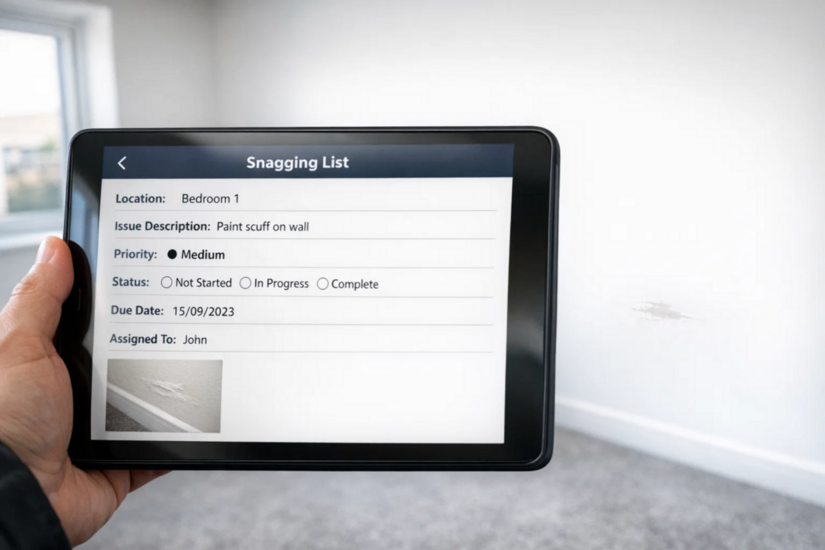
Recording defects correctly is essential for an effective snagging inspection. A vague description can lead to confusion and delays in correcting problems.
Each entry on the snagging list should include:
- Exact location of the issue
- Clear description of the defect
- Trade responsible for correction
- Photographic evidence where possible
For example, instead of writing “door problem,” a clearer entry would state: “Bedroom door poorly fitted and rubbing against frame. The door does not open and close smoothly.”
Clear documentation allows contractors to address issues quickly and ensures that defects can be verified once repairs are complete.
Categorising Snagging Issues
Professional site teams often categorise snagging items based on severity. This approach helps prioritise corrective work.
Typical categories may include:
- Safety issues : Defects that create a potential safety risk and must be corrected immediately.
- Functional defects : Items that prevent building components from operating correctly.
- Water ingress risks : Problems involving sealing, waterproofing, or drainage.
- Cosmetic issues : Minor finish defects that affect visual quality but not structural performance.
Organising the snagging list in this way helps project managers track progress and ensure critical issues are resolved first.
Closing Snags Properly
Identifying defects is only part of the snagging process. Issues must also be closed properly to confirm that repairs have been completed correctly.
Closing a snag typically involves several steps.
- Assign Responsibility : Each defect should be allocated to the relevant trade contractor responsible for the work.
- Carry Out Repairs : Repairs should be completed according to site standards and relevant construction specifications.
- Verify the Repair : Once corrective work has been completed, the issue should be inspected again to confirm the defect has been resolved.
- Update Documentation : The snagging list should then be updated to show that the item has been corrected and verified.
Proper documentation ensures a clear record of the correction process and supports quality assurance across the project.
Safety Considerations During Snagging Inspections
Snagging inspections must always be carried out with safety in mind. Construction sites may contain unfinished work areas, temporary access routes, or exposed services.
Guidance from the Health and Safety Executive highlights that inspections should only take place when safe access is available.
Inspectors should ensure that:
- Safe access routes are provided
- Areas under construction are properly controlled
- Protective equipment is used where necessary
Site access procedures should also follow project safety management systems. Use TradeFox to practice working with construction check lists, clear issue notes, and follow up habits, so you can track fixes and close snags properly.
Réflexions finales
A structured snagging list is an essential tool for maintaining construction quality. Snagging inspections allow tradesmen and site managers to identify defects, record issues clearly, and ensure that problems are corrected before handover.
By conducting systematic inspections, documenting defects accurately, and verifying that repairs have been completed, construction teams can maintain high standards across new build projects.
When snagging inspections are carried out professionally and issues are closed properly, build homes can be handed over with confidence, providing clients and home builders with reassurance that the property meets expected quality standards.