


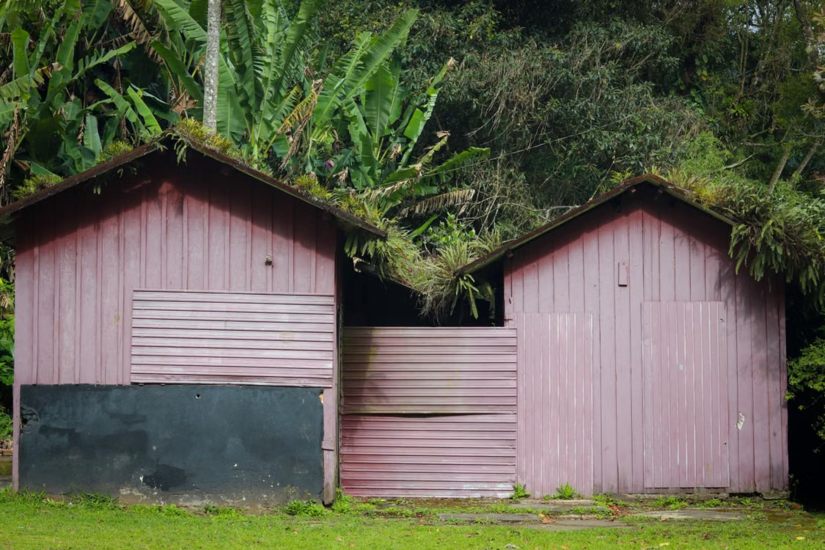
A shed looks like a simple box until the first winter finds every shortcut you took. Sagging floors, racking walls, a roof that ponds water. Most of those failures trace back to three stages: the base and floor, the frame, and the roof.
This is a working guide to how to build a shed that stands square and stays dry, written for tradespeople and apprentices moving into outbuilding work. It assumes you can read a span table and swing a framing hammer. Get the sequence and the spec right, and the building outlasts the client’s mortgage.
Check the rules before you cut timber
Regulations set the envelope before any material goes on order. The figures below apply to England. Wales runs its own permitted development order, and Scotland and Northern Ireland use separate systems with different limits, so working outside England, confirm the local regime first.
Planning and permitted development
Most domestic sheds sit under permitted development, so no planning application is needed. The Planning Portal sets the limits you build to:
- Eaves height: 2.5m maximum.
- Overall height: 4m for a dual-pitched roof, or 3m for any other roof shape.
- Within 2m of a boundary: 2.5m overall, whatever the roof type.
- Garden coverage: No more than 50% of the land around the original house, counting every outbuilding together.
- Position: Single storey, and behind the principal elevation of the house.
Two things quietly remove these rights. An Article 4 direction, common in conservation areas, can withdraw permitted development altogether. And the 50% coverage cap counts existing outbuildings, so a plot that’s already built up may have spent its allowance. Listed buildings and conservation areas tighten the rules further, so check the site’s status and remaining allowance before you quote a size.
Réglementation en matière de construction
Planning and Building Regulations are separate systems, and a job can trigger one, both, or neither. Under the Building Regulations 2010, Schedule 2, Class 6, the exemptions run like this:
- Under 15m²: Generally exempt, provided the shed holds no sleeping accommodation.
- 15m² to 30m²: Usually exempt if it sits at least 1m from the boundary or is built substantially from non-combustible material, and again holds no sleeping accommodation.
- Over 30m²: Normally needs Building Regulations approval.
The gov.uk Approved Documents are what you check a footprint against before committing a client to it. The moment a shed gains sleeping accommodation, both planning and Building Regulations change, so treat that as a different job entirely.
Base and floor construction
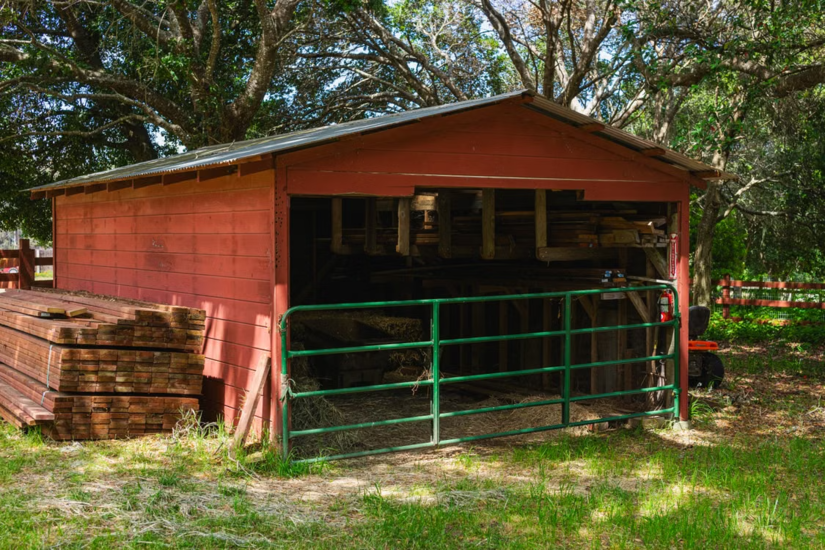
A timber shed is only as good as what it stands on, and trapped moisture is what rots a floor from underneath.
Foundations and damp control
For the foundation, most trades run a concrete slab, paving slabs on a compacted sub-base, or a timber-bearer system on concrete pads. Whichever you pick:
- Damp proofing: Lay a damp proof membrane under a concrete slab, and a DPC strip under any timber sole plate bearing on concrete. This breaks the capillary path drawing ground water into the timber.
- Ventilation: Raise the floor frame on treated bearers so air moves underneath. Airflow beneath the deck does more for longevity than any coat of preservative.
- Drainage: Set the base so surface water runs away from the building, never toward it.
Joists, grades and decking
Floor construction is standard joisted work. For a common 8ft by 6ft shed, 47 x 100mm C24 joists at 400mm centres, bearing on treated bearers at roughly 1.2m centres, keep deflection negligible under storage loads. Step up to 47 x 150mm or tighten the centres for wider bays or heavier storage, and confirm the figure against TRADA span tables for the load you expect. A floor that bounces works every fixing above it loose over time.
- Grade: Specify C24 for joists and rafters. It carries a characteristic bending strength of 24 N/mm² against C16's 16, so it's around 50% stronger in bending and the right choice where deflection matters.
- Blocking: Fit solid noggins between joists at mid-span to stop lateral movement.
- Deck: Cover the frame with 18mm OSB3, which takes floor loads and handles the odd bit of damp far better than standard chipboard.
- Grade stamp: Every length of structural softwood should carry a visible stamp showing grade, producer and certifying body, in line with BS 4978 and EN 14081.
- Treatment: Timber in ground contact needs Use Class 4; exposed timber clear of the ground can run at Use Class 3.
Timber framing the walls
Wall framing is where the shed earns its rigidity. Build the panels flat on the new deck if there’s room, then stand and brace them:
- Sole plate and wall plate: Treated sawn timber, fixed square to the deck.
- Studs: 38 x 63mm or 38 x 89mm CLS at 400 or 600mm centres. C16 suits stud walls and keeps the bill sensible.
- Openings: Double the studs and drop a header over every door and window so the load bridges cleanly.
Square each panel before you fix it. A frame that’s out of square telegraphs into every sheet of cladding and every rafter that follows. Once the panels stand, tie them at the head with a continuous wall plate, which spreads the roof load and gives the rafters a level bearing. Add diagonal bracing or a structural sheathing board to resist racking, the sideways force that flattens under-braced sheds in a gale. Keep the frame plumb and the fixings galvanised, because bright steel bleeds rust into damp timber inside a season.
Roof assembly
Roof shape drives the whole roof assembly, so settle it before you cut a rafter.
Pick the roof shape
- Pent: A single slope, higher at the front than the back. Fewer angles, quicker to build, and it sits neatly against a wall or fence.
- Apex: Two slopes meeting at a central ridge. More headroom, better runoff, and the shape most clients picture.
Match the pitch to the covering. Most apex sheds run 15 to 30 degrees. Keep felt and bitumen shingles above about 10 degrees, and drop to EPDM or a purpose-made low-pitch membrane below that.
Rafters and deck
Cut rafters to a common pattern and fix them to the wall plates, and on an apex to a ridge board, using galvanised joist hangers or rafter clips rather than skew-nails alone. Set them at 400 or 600mm centres. On wider apex roofs, fit collar ties between opposing rafters to stop roof spread, and add a purlin where the span calls for it. Give the eaves a 150 to 300mm overhang so rain clears the walls instead of running down the cladding. Deck the rafters with 11mm OSB3 or exterior-grade plywood, staggering the joints and landing them on rafter centres.
Weatherproofing
Build the weatherproofing up in order:
- Underlay: A breathable roofing membrane or heavy mineral-surfaced felt over the whole deck, worked from the low edge upward with a 75mm overlap and clout nails at roughly 100mm centres.
- Edges: A drip edge at the eaves and flashing at any penetration, so water sheds clear of the timber.
- Finish coat: Bitumen shingles, corrugated bitumen or metal sheet, or EPDM rubber on low-pitch and near-flat roofs.
Skip the bargain felt. Thin shed felt splits inside a couple of years, and the re-felt costs more in labour than a good roll costs off the shelf.
Safety and the details that last
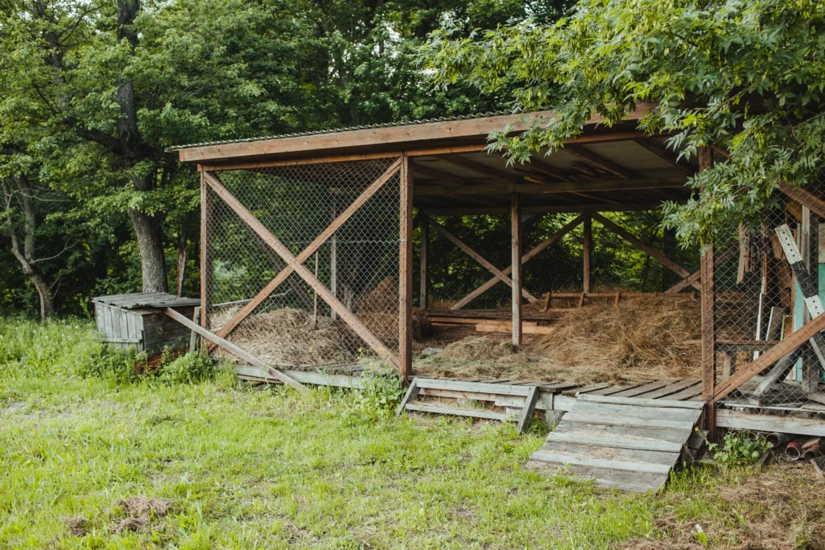
Safety is not a line you add at the end. Work on a roof deck falls under the Work at Height Regulations 2005, so it needs proper access and fall protection, not a wobble on the top rung. Cut ends of treated timber expose untreated core, so brush end-grain preservative on every cut before it goes in. Wear eye and respiratory protection when cutting or sanding treated stock, because that dust carries the treatment biocides.
A handful of habits separate a shed that lasts fifteen years from one that needs work in three:
- Fixings: Keep every structural fixing galvanised or stainless.
- Ventilation: Move air under the floor, and within the roof void on a closed roof.
- Sealing: Seal the cut edges of OSB and treated timber.
- Siting: Set the building down so water drains away from it.
Knowing how to build a shed to this standard is what turns a weekend structure into a specified, sellable job. The rules set the envelope, the timber grades and floor construction carry the load, and a proper roof keeps the weather where it belongs. Nail those three and the rest is trim.
Once you understand the basics of timber framing, floor construction and roof assembly, you can keep developing your carpentry skills with TradeFox. Its guided interactive training gives you a practical way to review trade concepts and build your knowledge at your own pace.