

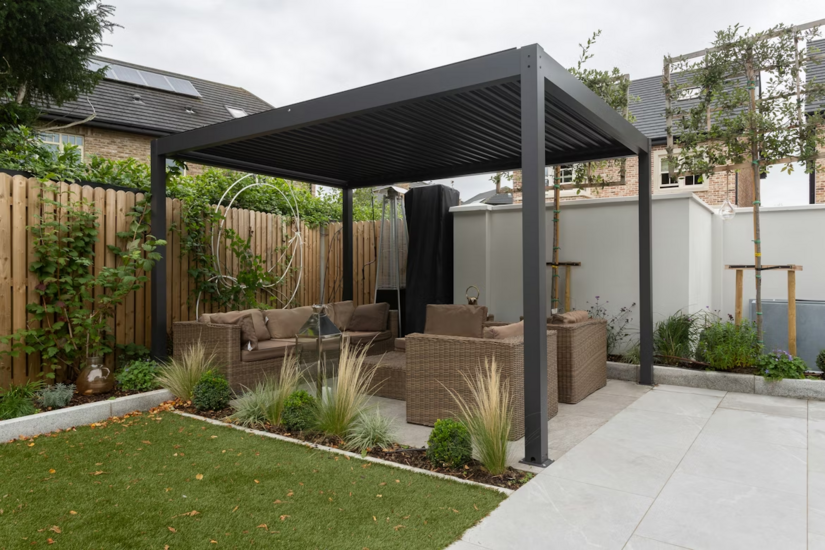
When clients hire a professional carpentry contractor, they expect a premium structure that outlasts seasonal garden trends. Constructing a heavy timber frame requires precision, a deep understanding of load distribution, and strict adherence to safety standards. If you want to build a pergola that feels solid, you must apply rigorous structural engineering principles from the ground up.
This guide provides technical specifications and compliance requirements for tradesmen constructing timber pergolas in the UK. We cover timber grading, anchoring methods, and structural bracing to ensure your installations meet stringent safety requirements.
UK Planning Regulations and Height Restrictions
Before breaking ground, contractors must verify site compliance. Ignorance of UK Permitted Development rights is not an acceptable excuse for non-compliant structures. The most critical regulation concerns boundary proximity. Ensure the overall height of the structure does not exceed 2.5 metres if it is located within 2 metres of a property boundary. Breaching this height restriction can force clients to apply for retrospective planning permission or demolish the frame entirely. Always check the site boundaries and measure the intended ridge height during the initial site survey.
Site Preparation and Underground Hazard Avoidance
Professional contractors never assume the ground is clear. Before digging post holes, always scan the designated area using a reliable cable avoidance tool. Striking an underground power cable or a mains water pipe is a severe safety hazard and a highly costly mistake. Mark out the footprint using batter boards and string lines to ensure perfect squareness. Checking the diagonals between your corner pegs guarantees the structure will assemble correctly during the build phase. Taking time during this initial layout prevents cumulative errors from affecting the final timber frame.
Structural Timber Specification and Grading
The foundation of any structural timber project begins with accurate material selection. For external load-bearing applications, tradesmen must source timber graded to appropriate British Standards.
Timber Grading Requirements (BS EN 14081)
Always specify C24 grade timber for the primary structural components. This includes the main support posts and the spanning ring beams. C24 timber features fewer defects, tighter growth rings, and a significantly higher load-bearing capacity compared to standard C16 timber. C16 is perfectly acceptable for lightweight rafters that carry no dead load other than their own weight. Using C24 for the primary frame remains standard practice to prevent deflection over wide spans and ensure long-term stability.
Preservative Treatment Standards (BS 8417)
Timber specification must explicitly account for biological degradation. Any timber in direct contact with the ground or set into concrete must be treated to Use Class 4 (UC4). Timber situated above ground but exposed to the weather requires Use Class 3 (UC3) treatment. Using UC3 timber for structural posts embedded in the ground is a common point of failure. This mistake creates a significant liability for contractors. Ensure your timber merchant provides written certification for the treatment class before accepting the delivery on site.
Excavation and Soil Bearing Capacity
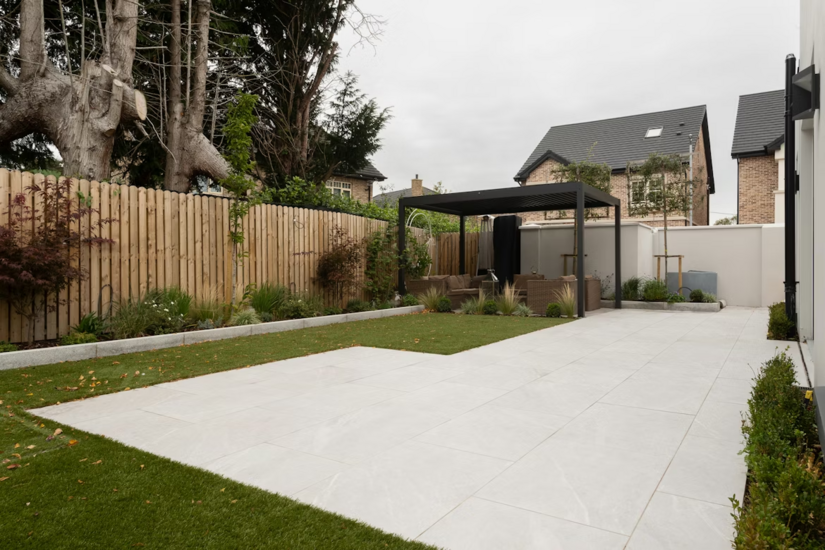
Understanding the interaction between ground conditions and structural loads is paramount. A heavy timber roof structure acts like a sail during severe storms. Without proper ground anchoring, lateral winds will cause severe structural damage.
Assessing Site Soil Conditions
Before excavation, assess the specific soil type on the site. Heavy clay soils retain water and are subject to movement. Sandy soils drain well but may require deeper footings to reach stable ground. In standard UK ground conditions, footing holes for structural posts should be excavated to a minimum depth of 600mm. This specific depth allows you to bypass the topsoil and organic matter to reach a stable bearing subsoil stratum. For larger commercial installations, depths of 900mm or structural engineering calculations may be mandatory.
Foundation Concrete and Anchoring Systems
Securing the uprights correctly is the only way to build a pergola that feels solid under extreme weather conditions. The anchoring method dictates the lifespan of the timber.
Concrete Mix Specifications
For post hole foundations, use a designated C20 concrete mix or a high-strength, structural-grade rapid-set post concrete. Avoid cheap, aggregate-poor mixes that lack compressive strength. The concrete should be poured with a slight fall at the top surface. This gradient directs standing rainwater away from the timber base to prevent rot.
Approved Anchoring Methods
There are three primary methods for securing posts on site. Each method carries distinct structural implications.
- Direct Embedment: Setting the UC4 treated timber post directly into the concrete provides high resistance to lateral movement. It exposes the timber to potential moisture entrapment over time. If using this method, ensure the bottom of the hole contains 100mm of compacted gravel for drainage before pouring the concrete around the sides of the post.
- Galvanised Post Shoes: Using heavy-duty, hot-dipped galvanised post bases keeps the timber entirely out of the moisture zone. The steel shoe is set directly into the wet concrete. When selecting galvanised post shoes, verify the manufacturer specification for uplift resistance. Ensure the hardware is engineered to prevent the post from pulling out during severe wind updrafts. The post base must have a minimum steel thickness of 3mm and feature a standoff plate.
- Resin Anchors to Existing Slabs: Installing over an existing structural concrete slab requires chemical resin anchors. Drill the slab, clean the hole thoroughly with compressed air and a wire brush, and inject a high-strength epoxy resin. Insert threaded rods into the resin. Bolting standard rawlbolts into thin patio slabs is a major safety violation. Thin slabs will easily lift or crack under wind tension.
Mitigating Wind Uplift and Lateral Forces

Timber frames carry minimal dead load compared to a traditional tiled roof. Their open structure makes them highly susceptible to wind actions. Eurocode 1 Part 1-4 (BS EN 1991-1-4) outlines the specific wind loads structures must withstand based on geographical location.
Resisting Racking with Knee Braces
Racking occurs when lateral winds push the structure sideways. This force causes the right angles between posts and beams to skew into parallelograms. Clients will test the structure by pushing the posts the moment you step back. To build a pergola that feels solid, installing diagonal knee bracing is strictly non-negotiable. Every corner where a post meets a horizontal beam must feature a brace. These braces should be cut at 45 degree angles and measure at least 600mm in length from the corner joint. The longer the brace length, the greater the mechanical advantage against wind shear.
Fastening Knee Braces Securely
Never rely on standard wood screws to secure knee braces. The forces exerted on these joints require serious shear strength. Use heavy-duty structural timber screws with a minimum 8mm diameter. Traditional mortise and tenon joinery pegged with oak dowels is another excellent option for high-end projects. If using structural screws, pre-drill the timber to prevent splitting. Ensure the fixing penetrates at least 50mm into the primary support post for adequate purchase.
Structural Joinery and Fastening Specifications
Connections between the structural members represent the primary points of failure in poorly constructed frames. The goal is to transfer the load safely from the horizontal beams down through the posts into the footings.
Utilising Housing Joints
Resting a heavy cross beam against the side of a vertical post and driving two bolts through it is poor practice. This places the entire structural load onto the shear strength of those bolts. Tradesmen should employ housing joints instead. Cut a notch into the top of the vertical post to properly seat the horizontal beam. This ensures the physical mass of the timber carries the downward load directly. The fixings are then left to simply prevent lateral separation.
External Hardware Selection
All hardware must be explicitly rated for external use. Stainless steel or heavily galvanised fixings are required to prevent premature corrosion. This is especially critical when working with oak or treated softwoods containing highly corrosive copper-based preservatives. When securing major ring beams to corner posts, use M12 carriage bolts fitted with large square plate washers. Large washers prevent the bolt head and nut from crushing the timber fibres under tension. Tighten the bolts until the washer just begins to bite into the surface of the timber.
End Grain Protection and Sealing
Carpentry contractors must pay close attention to timber end grains. Whenever a treated timber post is cut on site, the exposed end grain becomes highly vulnerable to moisture ingress. The factory pressure treatment rarely penetrates to the very core of thick structural timber. Always apply a high-quality, brush-on end grain preservative to any fresh cuts. This practice is particularly important for the tops of structural posts and the exposed ends of rafters. Sealing these cuts prevents capillary action from drawing water deep into the timber core.
Final Safety Assessment and Site Handoff
A final structural assessment must be conducted upon completing the installation. Plumb the posts one last time and check the horizontal beams with a reliable laser level. Inspect all resin anchors for proper curing. Verify that all bolted connections have been fully torqued. Re-tighten major bolts after a complete weather cycle. Newly exposed timber will inevitably shrink as its moisture content reaches equilibrium with the surrounding environment.
Mastering these specific foundational and structural elements guarantees a premium result. It ensures that when you build a pergola that feels solid, it remains compliant, safe, and durable for decades. Relying on professional-grade hardware, understanding soil conditions, and applying correct joinery techniques separates professional carpentry contractors from amateur installers. Adhering to these UK regulations and trade best practices protects your business liability. It also guarantees total satisfaction and structural safety for your clients.