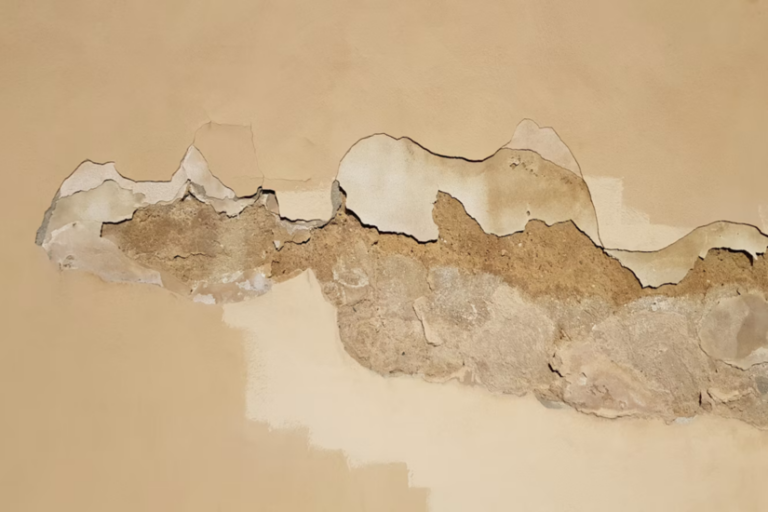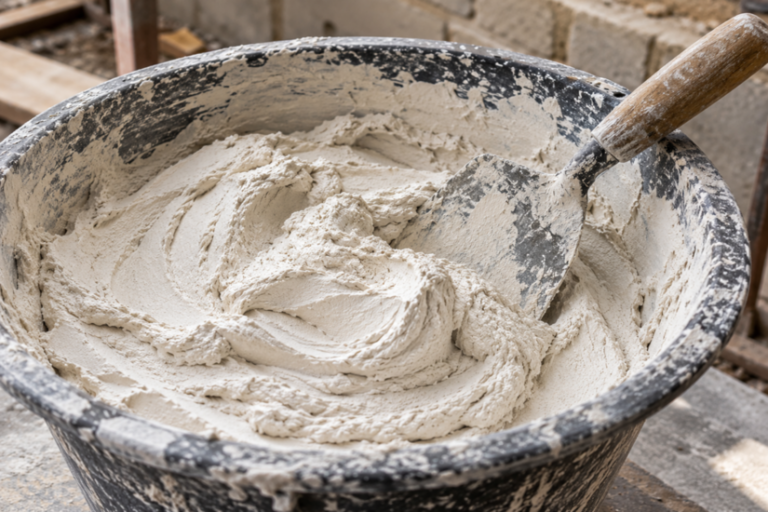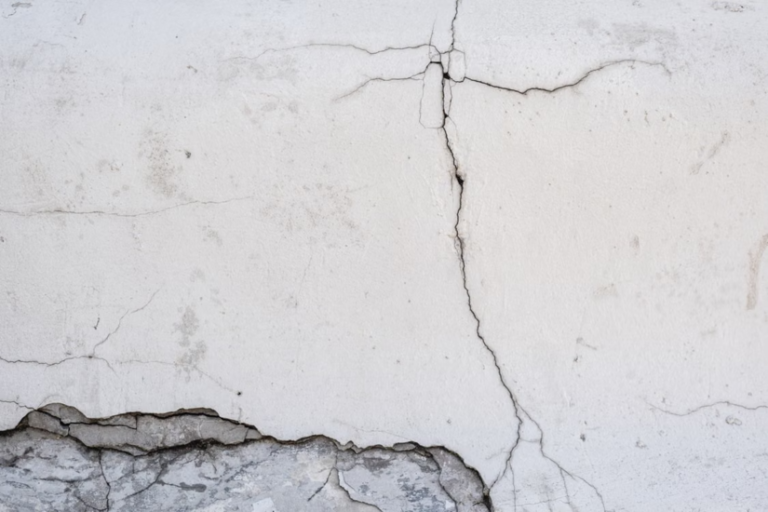



Proper preparation is the cornerstone of professional plastering. Selecting the correct undercoat plaster determines the structural integrity, longevity, and overall finish of the final wall. Bonding plaster serves as a highly specific, engineered solution designed for challenging, low-suction substrates. Understanding exactly when to use it, how to apply it, and the strict UK building regulations governing its deployment separates veteran tradesmen from novices.
This comprehensive guide covers the chemistry, substrate suitability, application protocols, and safety compliance required when working with this essential material.
Understanding The Chemistry And Mechanics Of Gypsum
To master the application of undercoat plasters, tradesmen must understand the underlying material science. Gypsum-based plasters do not simply dry. They are set through a chemical crystallisation process.
The material begins as calcium sulfate hemihydrate. When mixed with water, an exothermic reaction occurs, converting the powder back into a solid calcium sulfate dihydrate matrix. This setting process is entirely distinct from the drying process. Setting involves the chemical lock of the crystalline structure, which typically occurs within 1.5 to 2 hours for standard bonding plaster formulations. Drying is the subsequent physical evaporation of residual moisture, which can take several days depending on ambient site temperatures and ventilation.
Apprentices must recognise this distinction. Troweling or manipulating the plaster after the chemical set has begun disrupts the crystalline matrix, leading to weak, crumbly walls that will fail to support a skim coat.
Substrate Suitability And Where It Goes
The primary operational purpose of bonding plaster is to provide adhesion and a buildable base on dense, low-suction backgrounds. High-suction backgrounds, such as standard aerated concrete blocks or old, porous brickwork, rapidly draw moisture out of the mix. Applying it to those porous surfaces leads to premature drying before the chemical set can complete, resulting in catastrophic failure. For high-suction substrates, Browning or Hardwall plasters are the correct specification.
Suitable substrates for this specific undercoat include the following materials.
- Dense concrete blocks.
- Engineering bricks with minimal porosity.
- Surfaces previously treated with waterproofing compounds.
- Pre-cast concrete panels and slabs.
- Plasterboard (although direct skimming is standard, isolated patching is acceptable).
Ceilings represent a unique challenge. When applying any undercoat plaster to a ceiling, gravity and weight become significant structural factors. The maximum permissible thickness on a ceiling is strictly limited to 8mm. Applying thicker coats risks catastrophic delamination. In modern UK construction and renovation, overboarding damaged ceilings with new plasterboard is often the preferred, safer, and more efficient alternative to heavy undercoat applications.
Preparation And Priming The Foundation
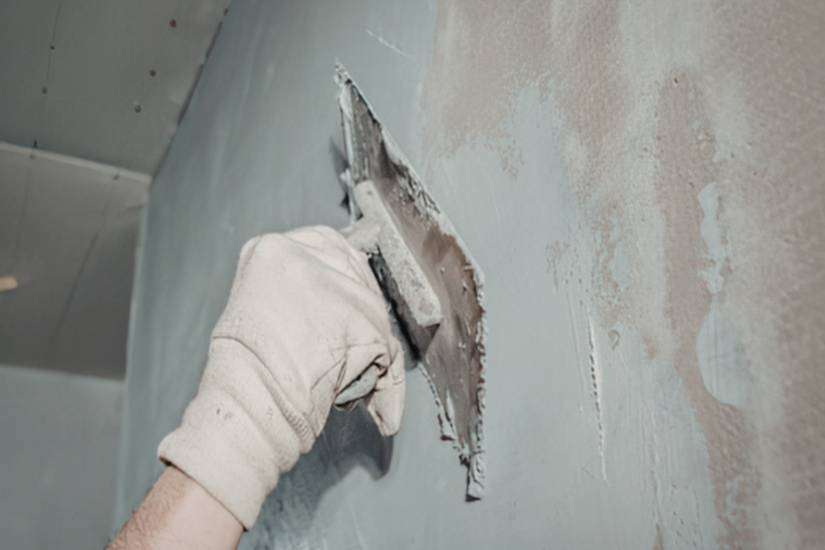
Even on low-suction substrates, mechanical adhesion can be compromised by dust, debris, or residual chemical release agents on concrete. Thorough preparation is non-negotiable. The background must be brushed clean and structurally sound before any wet trades begin.
Modern plastering heavily relies on advanced chemical primers to guarantee adhesion. While Styrene Butadiene Rubber (SBR) remains an excellent, highly water-resistant primer, aggregate-impregnated bonding agents are the industry standard for extremely smooth surfaces. Products such as Thistle Bond-It, Febond Blue Grit, or Plasprime contain fine aggregates suspended in a polymer resin. Once painted onto a smooth concrete ceiling or dense engineering brick, the resin cures to leave a rough, sandpaper-like texture. This provides a flawless mechanical key, ensuring the subsequent heavy plaster coat locks firmly onto the wall.
Mixing Protocols And The Importance of Clean Water
Consistency in the mix dictates the workability and setting time on the wall. The golden rule for mixing any gypsum product is the strict use of clean, potable mains water.
Site conditions often tempt apprentices to use water from a stagnant butt or a previously used, dirty mixing bucket. This is a critical error. Residual set plaster in dirty water contains active gypsum crystals that act as setting accelerators. Using contaminated water causes a flash-set, reducing the working time from two hours to a matter of minutes, rendering the material useless and resulting in wasted time and money.
Mechanical mixing using a paddle mixer ensures an even, lump-free consistency. The powder should always be added to the water, never the reverse, to prevent dry pockets forming at the base of the bucket.
Application Protocol And Achieving The Perfect Mechanical Key
Applying the material requires precision, physical stamina, and strict adherence to thickness guidelines. The standard application thickness ranges from 8mm to 11mm on vertical walls. Attempting to build out beyond 11mm in a single pass will result in slumping and poor adhesion. If greater depth is required, multiple coats must be applied, with the first coat scratched and allowed to set before the second is applied.
The process follows a strict sequence to ensure a perfectly flat, plumb wall ready for finishing.
- Apply the material using a firm pressure to force it into the substrate or primed surface.
- Rule off the wet plaster using a straight edge to identify high spots and fill in low hollows.
- Feather the edges using a clean trowel. Keeping trowel edges completely clean and feathering the material prevents heavy ridges from forming, which are notoriously difficult to flatten later.
- Flatten the surface using a spatula or standard trowel as the material begins to stiffen.
- Scratch the surface evenly.
Scratching is the final and most vital step for an undercoat. Using a devil float, tradesmen must score the firm, but not fully set, plaster. These scratches create a vast surface area and a robust mechanical key. Without this key, the final 2mm to 3mm finishing skim coat will simply slide off or delaminate under its own weight.
Health, Safety, And UK Regulation Compliance
Professional tradesmen operate within strict legal and safety frameworks. Plastering involves heavy lifting, chemical exposure, and fine dust inhalation, all of which fall under the purview of the Health and Safety Executive (HSE) and specific UK Building Regulations.
COSHH And Respiratory Protection
The Control of Substances Hazardous to Health (COSHH) regulations mandate the management of construction dust. Mixing dry plaster powder releases fine gypsum and silica particles into the air. Inhalation over time causes severe respiratory conditions, including silicosis. The HSE strictly requires the use of FFP3 respiratory masks during the mixing phase or when sanding dry compounds. Lower-grade masks do not offer adequate protection against fine silica particulates.
Manual Handling Regulations
Standard bags weigh 25kg. The UK Manual Handling Operations Regulations require risk assessments for repetitive lifting. Tradesmen must utilize proper lifting techniques, keeping the load close to the body and lifting from the knees, to prevent chronic musculoskeletal injuries. Site transport should utilize mechanical aids like trolleys wherever possible.
Eye Protection
Wet plaster is highly alkaline. Splashes into the eye during mechanical mixing or overhead ceiling work can cause severe chemical burns to the cornea. Appropriate safety goggles should be worn during mixing and overhead application to mitigate this risk entirely.

Building Regulations Part C (Moisture)
Approved Document C of the UK Building Regulations deals with site preparation and resistance to contaminants and moisture. It is a fundamental rule that gypsum-based products must never be used in continuously damp environments or on external walls. Gypsum is highly hygroscopic. It will absorb moisture, lose its structural integrity, and eventually rot.
If a tradesman is tasked with repairing a wall suffering from penetrating damp, rising damp, or facing external exposure, bonding plaster is the incorrect specification. In these scenarios, compliance dictates the use of a sand and cement render, often incorporating a chemical waterproofing additive, to resist moisture ingress and satisfy Building Control standards.
Final Trade Considerations
Mastering undercoat plasters requires more than just physical application skills. It demands a comprehensive understanding of substrate analysis, material chemistry, and unwavering adherence to site safety.
By correctly identifying low-suction backgrounds, utilizing modern aggregate primers, maintaining sterile mixing equipment, and operating within HSE and Building Regulation parameters, tradesmen ensure their base coats are structurally flawless. This level of professional preparation guarantees that the final skim coat will be perfect, durable, and built to last.
If you want to understand where bonding plaster should be used and why good preparation matters before finishing, TradeFox helps you build practical plastering skills through clear, guided training you can revisit anytime.