


Raking light is brutal on a polished wall. A skim that would pass without complaint under emulsion shows up as ripples, shadows, and dull patches the moment a decorative lime finish goes over it. That is the first thing to understand about this trade: the finish is only ever as good as the surface beneath it.
Venetian plaster has moved from a niche speciality into mainstream specification on high-end residential, hospitality, and commercial fit-outs across the UK. For trades looking to add a premium skill, it is one of the better-paid finishes you can learn. It is also unforgiving, and this guide breaks down what the material is, where it performs, what it costs, and why substrate prep decides whether the job lasts or gets called back.
What Venetian Plaster Actually Is
It is a broad term covering a family of traditional lime and marble finishes that came out of northern Italy and were popularised during the Renaissance in Venice. The most prominent of these, marmorino and stucco lustro, were the basis for the first polished plaster finishes developed and launched in the UK by Armourcoat in 1988.
The core recipe is consistent across the family:
- Finely crushed marble or limestone aggregate.
- Bound in slaked lime, also called lime putty or calcium hydroxide.
- Applied in thin successive coats, usually two to five depending on the finish.
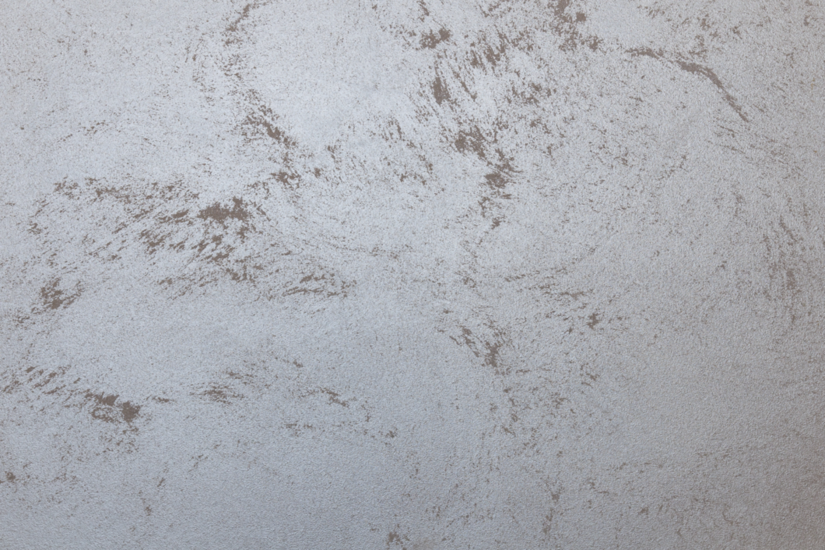
- Burnished with a stainless steel trowel to draw out depth and, where specified, a polished sheen.
Get the Terminology Straight
The market is loose with names, so it pays to be precise when you price or specify. The same product is sold as marmorino, stucco, lucidato, spatulata, and veneziano, and these terms can mean the same style of finish or something very different depending on how a company brands it.
As a working rule:
- Marmorino tends to mean a matt to satin sheen with a stone-like body.
- Lucido or stucco lustro is burnished to a high, almost mirror-like polish.
- Polished plaster and marble plaster are commonly used catch-all terms for the same broad category.
Always confirm the finish from a physical sample rather than the name on the tin.
Why Trades and Clients Like It
A genuine lime-based finish carries a few practical advantages that matter on site. It is breathable, so walls manage moisture rather than trap it, and because it is mineral-based it releases no harmful volatile organic compounds once cured. That breathability is part of why these finishes suit older, solid-wall buildings where cement systems can drive damp problems.
Where Venetian Plaster Works
These finishes perform best in dry, stable interiors where depth and reflectivity can be appreciated. Think feature walls, reception areas, stairwells, hotel lobbies, and retail spaces. Applied correctly, the surface is durable and less prone to cracking and shrinking than you might expect, holding up for years with minimal upkeep.
Wet areas need more thought:
- Standard polished plaster can go in bathrooms and kitchens, but it must be sealed correctly and kept off direct, persistent water contact.
- For genuinely wet zones such as shower surrounds and basins, a tadelakt-style lime finish is the honest specification. It becomes water-resistant when burnished and treated with olive oil soap during curing.
- Do not sell a standard marmorino as a waterproof system. Manage the client's expectations against where the finish will actually sit.
The material is not limited to plastered walls either. It can be applied to plasterboard, timber panels, and other backgrounds, but only after the appropriate preparation has taken place. That qualifier is the whole job.
Getting decorative finishes right depends on preparation, product choice, and understanding where each material should be used. TradeFox helps learners build practical plastering knowledge with guided training that supports real site work and better finishing standards.
Why Substrate Prep Decides the Outcome
Here is the uncomfortable truth. Because the material is applied in coats of a millimetre or less and then burnished flat, it telegraphs every defect underneath. Good preparation follows a clear sequence.
1. Start With a Sound, Cured Background
The substrate must be structurally sound, flat, and dimensionally stable. Fresh plaster and render carry significant moisture, and applying a decorative finish over a background that is still drying invites cracking and adhesion failure. Let it dry fully before you start.
2. Fill and Flatten Everything
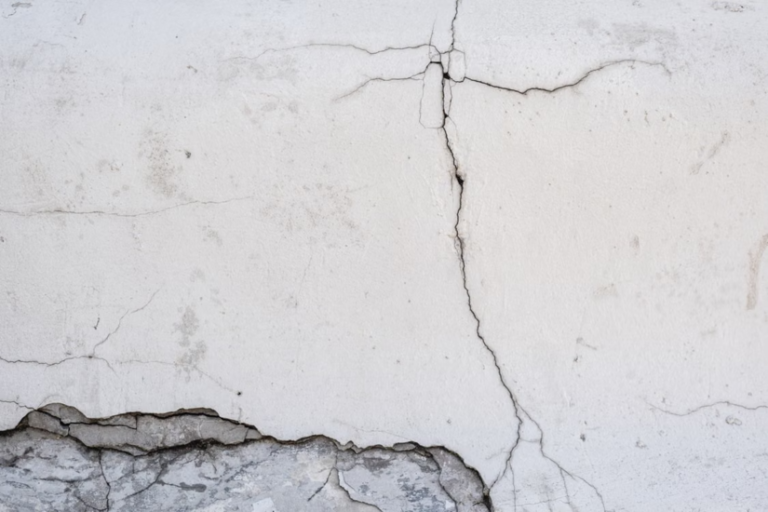
Every crack, screw head, joint, and hollow needs filling and sanding back. A polished finish does not hide imperfections, it amplifies them. This is the stage most often rushed, and it is the stage that separates a finish that sells the next job from one that gets you called back.
3. Prime for Suction and Key
A suitable primer, often a tinted or aggregated basecoat, controls suction and gives the plaster a key. Uneven suction across a wall pulls moisture from the coats at different rates and shows as patchiness in the final sheen. Match the primer to the manufacturer’s system rather than mixing components across brands.
4. Control the Environment
Lime finishes cure by carbonation, drawing carbon dioxide from the air, and that process needs the plaster kept from drying too fast. Direct heat, draughts, and low humidity all work against a clean cure. Plan the environment, not just the application.
Always follow the technical data sheet for the product in hand. Coverage, coat numbers, and recoat times vary between systems. A 20kg unit of medium marmorino covers roughly 22 square metres or more depending on technique and coat count, and finer high-polish finishes applied in tighter coats often yield more per kg. Price materials against real wall area and the finish specified, not a generic rate.
What Venetian Plaster Costs
For anyone pricing work or moving into the trade, the numbers sit at the premium end of plastering.
- Supplied and installed, finishes typically run from around £45 to £150 per square metre, depending on the finish, surface condition, and project size.
- High-gloss, multi-coat finishes cost more than a simple matt because more coats means more labour.
- Specialist decorative plasterers often work to day rates of roughly £150 to £250 for larger jobs rather than per square metre.
A small feature wall can take several days because of the layering and curing time, so build realistic timescales into every quote.
The Safety Side Trades Cannot Skip
This is a lime product, and wet lime is hazardous. That is not a footnote. As soon as the material is wet it forms a strongly alkaline solution. Slaked lime carries the CLP hazard classification H318, “causes serious eye damage,” and there is a genuine risk of burns to skin from the alkalinity. Non-hydraulic lime sits at around pH 12 while wet, and contact ranges from irritation through to serious chemical burns.
The real trap is timing. Lime and cement burns develop slowly, and pain may appear hours after exposure, by which point a significant injury has already occurred. Prolonged contact, such as kneeling in wet material or leaving a splash against the skin, sharply increases the risk of serious damage.
Practical Controls on Site
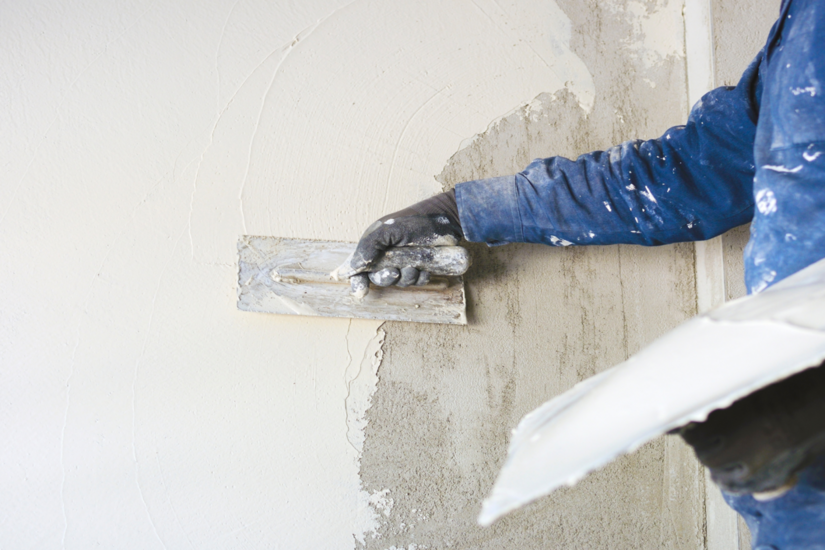
- Skin protection. Wear suitable gloves and cover exposed skin. Change damp or contaminated gloves rather than working on in them, and wash any splashes off straight away with plenty of clean water.
- Eye protection. Wear eye protection when mixing and applying. For any eye contact, rinse continuously with clean water for at least 15 to 20 minutes and seek immediate medical advice. Lime can cause permanent eye damage and blindness.
- Respiratory protection. Dry powders and sanding generate dust, and marble, limestone, and many backgrounds contain crystalline silica.
Silica Dust and Your Legal Duties
Respirable crystalline silica (RCS) is now treated as a carcinogen in Great Britain, which raises the bar on control. A few fixed points every tradesman should know:
- The HSE workplace exposure limit for RCS is 0.1 mg/m3 as an 8-hour time-weighted average, published in HSE EH40/2005. That is a legal maximum to stay well under, not a target.
- Because RCS is carcinogenic, exposure must be controlled to as low as is reasonably practicable (ALARP), not merely kept below the limit.
- These duties sit under the Control of Substances Hazardous to Health Regulations 2002 (COSHH), which require you to assess and control exposure to hazardous substances.
Work through the hierarchy of control rather than reaching straight for a mask:
- Eliminate or substitute the dusty task where you can.
- Engineering controls next: on-tool extraction and water suppression to capture dust at source.
- Respiratory protective equipment as the last resort, and any RPE must be face-fit tested to the wearer.
Where workers are regularly exposed to RCS, COSHH may also require health surveillance. A COSHH assessment is not optional paperwork, it is the framework that keeps you out of a respiratory clinic in twenty years. Read the safety data sheet for every product before you open the tub, and brief anyone on site who could be exposed.
Building This Into a Trade Skill
For anyone moving into decorative plastering, the path is straightforward but not quick:
- Master clean, flat substrate preparation first. The same disciplines underpin every good decorative finish.
- Train on the specific manufacturer systems you intend to use. Trowel technique, coat timing, and burnishing are product-specific.
- Work from sample boards through to the final wall, as the better contractors do, to keep quality consistent.
Venetian plaster rewards patience and punishes shortcuts in equal measure. Get the background right, respect the chemistry, and the finish does the selling for you on the next job.