

Specifying the correct substrate dictates the entire lifespan of a tiled installation. The British Standard BS 5385 clearly outlines the requirements for wall and floor tiling backgrounds. Modern large-format porcelain and natural stone tiles demand substrates with exceptional weight-bearing capacities and dimensional stability. Selecting the appropriate tile backer boards is the first technical decision a professional tiler or contractor makes on site. This guide details the material properties of cement and foam variants, strict fixing protocols, and the primary causes of substrate failure.
UK Regulatory Framework And Weight Limits
The industry standard shifted significantly with recent updates to BS 5385 Part 1. Plywood and other timber-based sheets are no longer recommended as direct substrates for internal wall tiling. Plasterboard offers a maximum weight limit of 32kg per square metre. Plaster skim handles a mere 20kg per square metre. These low limits are easily exceeded by modern 10mm thick porcelain tiles combined with flexible adhesive and grout. Professional grade tile backer boards easily support weights exceeding 50kg per square metre. This high capacity provides a safe and fully compliant foundation for dense, heavy tiling materials.
Material Science: Cement Versus Foam Core
Tradesmen must understand the physical composition of their materials to specify them correctly. The choice between fibre cement and extruded polystyrene dictates the waterproofing strategy and the thermal performance of the room.
Fibre Cement Substrates
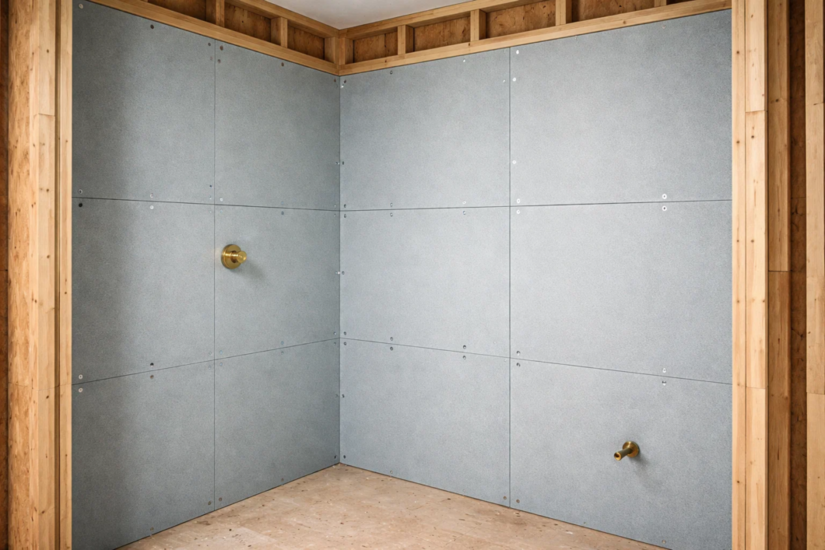
Cement boards consist of Portland cement reinforced with cellulose fibres or a glass fibre mesh. They possess immense compressive strength and high impact resistance. These dense sheets provide an incredibly rigid base for heavy natural stone installations. You must understand that while cement boards do not degrade or rot in water, they are entirely porous. Moisture will pass directly through a cement sheet into the timber studwork behind it.
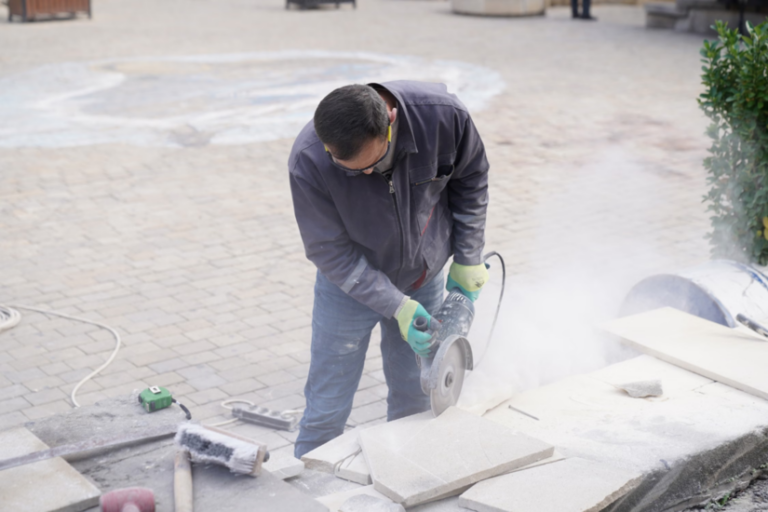
Tradesmen must apply a separate liquid waterproofing membrane over cement sheets in any wet zone or shower enclosure. Mechanical cutting generates hazardous respirable crystalline silica dust. Tradesmen must wear FFP3 respiratory protection and utilize local exhaust ventilation or wet-cutting methods to comply strictly with COSHH regulations.
Extruded Polystyrene Foam Boards
Foam core variants feature a high-density XPS centre coated with a polymer-modified cement and fibreglass mesh. These sheets are exceptionally lightweight and easy to cut with a standard utility knife. The closed-cell XPS core is completely waterproof. This inherent water resistance makes them the superior choice for wet rooms.
Foam sheets also offer excellent thermal insulation properties. They are the mandatory specification when installing electric underfloor heating systems on uninsulated concrete slabs to prevent downward heat loss. You must verify the maximum temperature limits of the boards and use specific flexible adhesive when laying electric heating mats directly over the foam to prevent polymer degradation.
Mandatory Fixing Patterns And Mechanical Protocols
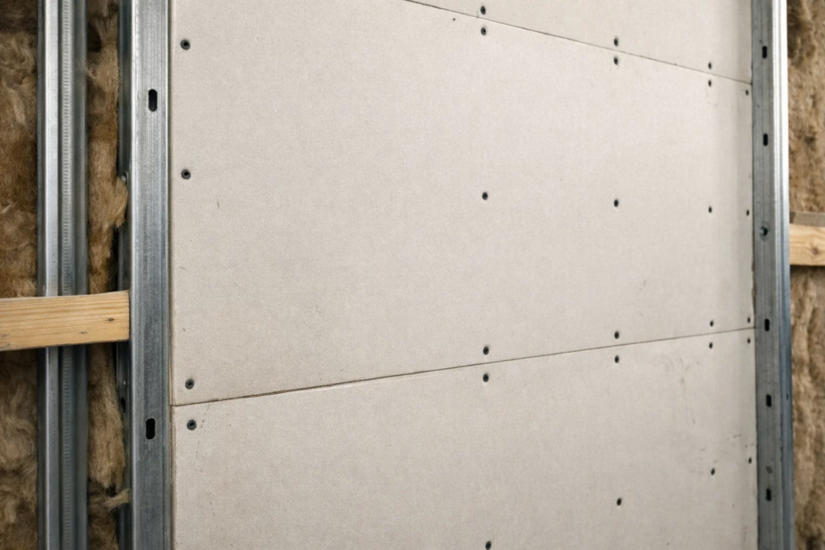
The most robust sheet material will fail if the installation method is flawed. Mechanical fixings and adhesive beds must work together to create a monolithic structure.
Timber Stud Wall Installations
Boards must be fixed at a maximum of 300mm centres horizontally and vertically when securing to timber studs. You must verify the exact location of hidden plumbing and electrical services before driving any screws into the framework. You must ensure all vertical joints land perfectly on the centre of a timber stud. Joints must always be staggered in a brick bond pattern to prevent continuous vertical fault lines.
Floor Installations Over Timber Decks
Floor rigidity is absolutely paramount. You must fix boards to timber floors using a continuous bed of flexible tile adhesive. This fills any voids between the uneven timber deck and the flat board. Mechanical screws and washers are then applied at 300mm centres while the adhesive is still wet. Securing sheets with screws alone without an adhesive bed allows micro-movements. These tiny deflections will eventually crack the rigid porcelain tiles above.
Solid Masonry Substrates
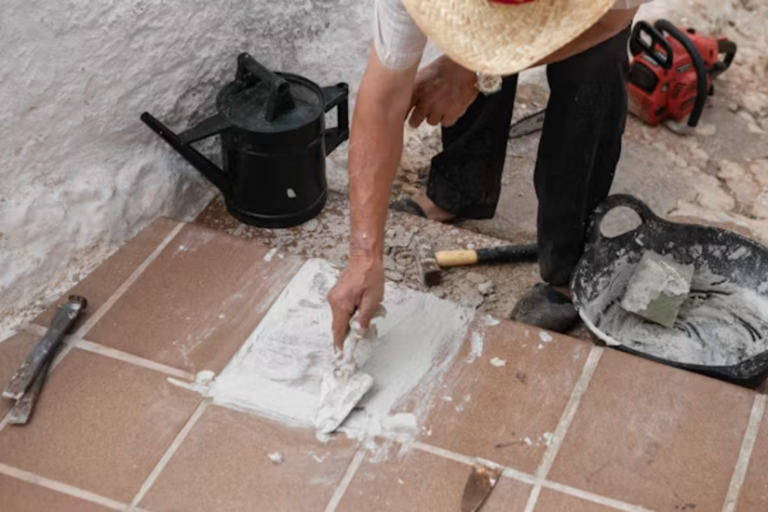
Uneven masonry walls require a solid bed of flexible tile adhesive. You must never install tile backer boards using the dot and dab method. Voids behind the board create weak points that will flex and shatter the grout lines upon impact. The adhesive must be combed out with a notched trowel to ensure complete coverage. Mechanical fixings are then drilled and plugged into the masonry once the adhesive cures to secure the system permanently.
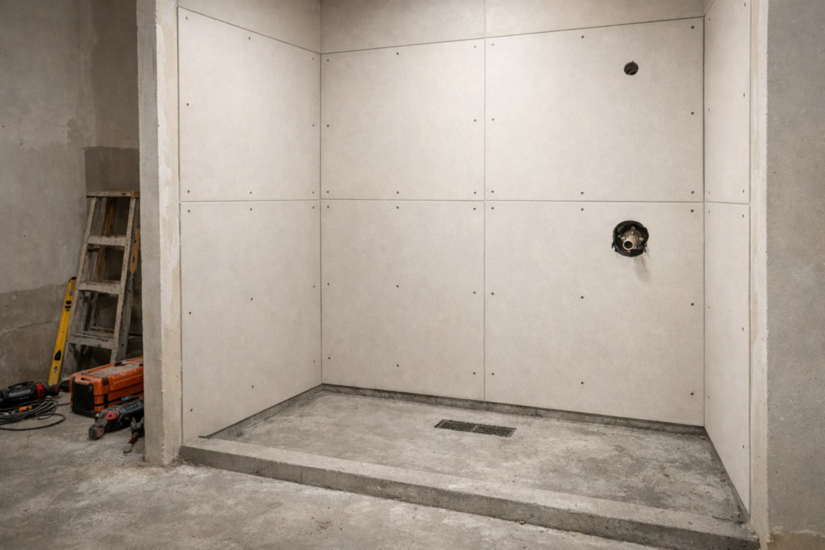
Correct Fastener Selection
You must use corrosion-resistant or alkali-resistant screws for all installations. Standard drywall screws will rust and fail rapidly in damp environments. Foam sheets strictly require the use of specialized steel fixing washers. The wide washers distribute the load across the mesh surface.
Driving a screw directly through a foam board without a washer simply crushes the foam core and provides zero holding power. If you want a clear walkthrough you can practise step by step, Tradefox has training that helps you build the right routine on every job.
Diagnostics: Analyzing Common Substrate Failures
Diagnosing failures allows tradesmen to avoid repeating critical errors. Deflection and moisture ingress account for the vast majority of tiling callbacks.
- Movement And Deflection Cracks: Grout lines cracking exactly along the seams of the boards indicate insufficient mechanical fixings or a lack of joint reinforcement. You must tape all joints with an alkali-resistant fibreglass mesh tape embedded in flexible tile adhesive. Failing to bridge the joints allows individual sheets to move independently.
- Water Ingress Behind Cement Sheets: Discovering rotten timber studs behind perfectly intact tiled cement sheets is a common diagnostic finding. This occurs when contractors mistake the physical integrity of wet cement for actual waterproofing. Every joint, screw head, and internal corner must be fully tanked with a liquid membrane or waterproof jointing tape before tiling begins.
- Compressive Failure On Floors: Installing heavy point loads like cast iron freestanding baths on low-density foam sheets can cause the substrate to compress. You must specify high-compressive-strength foam boards or utilize a reinforced cement sheet for specific high-load floor areas to prevent the tiles from sinking and cracking.
Mastering the specification and installation of these materials ensures complete compliance with stringent UK building standards. Professional tilers guarantee their installations against movement, moisture, and structural collapse by executing correct fixing patterns and respecting material limitations.