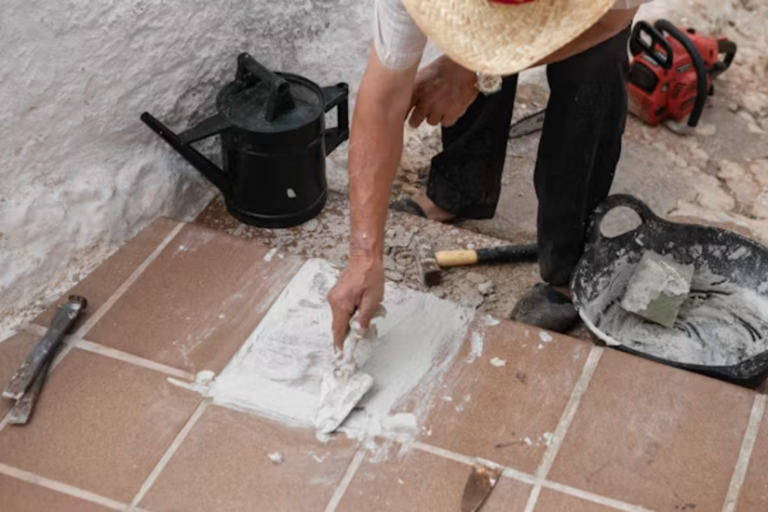


If you have ever finished a tiled wall and thought the edges look a bit rough, you are not alone. In most homes there will be an exposed tile edge somewhere, such as the end of a splashback or the outside corner of a shower. Leaving it bare can look unfinished, and it can chip when it gets knocked. This is where tile trim comes in, covering the cut and giving a clean finish.
What is Tile Trim, and why is it important?
Tile trim is a slim strip fitted along the outer edge of a tiled area. It sits under the tile and finishes the edge so you do not see raw cuts. It also protects exposed edges from everyday bumps, which is especially useful in busy bathrooms and kitchens.
A cut edge is rarely as neat as a factory edge, even when your cuts are careful. That can leave a slightly sharp line and tiny chips that catch the light. A trim hides those small flaws so your tile installations look tidy while you are still building confidence.
Types of Tile Trim
Straight or Square Edge
A crisp line that suits modern rooms. A square profile can frame subway tiles nicely and keep grout lines looking neat.
Rounded Edge
A softer front that feels less sharp. It is handy on low walls, boxing, and anywhere people might brush past.
Bullnose Trim and Matching Ceramic Pieces
A bullnose trim is a tile with a finished curved edge, often from the same range as the main ceramic tile. It blends in, which can suit more traditional bathrooms.
Floor Transition Trims
Used at doorways to create a smooth transition where tile meets carpet or laminate, including dining rooms leading into living spaces.
Where to Use Tile Trims

- Bathrooms : Outside corners, shower returns, bath panels and window reveals. Water resistance matters here, so metal or good-quality PVC is common.
- Kitchens : The end of a splashback next to painted plaster. A neat tile edge trim keeps cleaning simple and stops the edge from looking unfinished.
- Floors : Thresholds where finishes meet, and any place the edge could get kicked or caught by the hoover.
Options for tile trims and how to choose
There are plenty of options for tile trims, but focus on the three basics.
- Height : Match the trim to the tile thickness plus the adhesive. If it is too small, the tile will sit proud. If it is too deep, the tile drops below the lip.
- Material : PVC is easy to cut for learners. Metal is hard-wearing for wet areas. Matching ceramic looks seamless but can highlight untidy cuts.
- Look : Pick something that supports the overall design. The trick is to protect the edge first, then choose a finish that suits the room.
Things to Know when Purchasing Tile Edge Trim
Before you buy anything, take a minute to think about where the trim will go and what it needs to do. A tile edge trim is not just for looks. It protects exposed edges and helps your tiling look finished.
Here are the main points to check:
- Material : PVC is easy to cut and good for beginners. Metal trims (like aluminium or stainless steel) are tougher and often used in busy areas. Ceramic trims can match your tiles but show up poor cuts more easily.
- Size : The trim depth should match your tile thickness, plus a bit of allowance for adhesive. If you are unsure, going one size up is usually safer than going too small.
- Shape and style : Decide the look you want. Square edges give a crisp line, while round edges feel softer on corners and low walls.
- Finish and colour : Match the trim to the tile colour for a subtle look, or choose a contrast if it suits the overall design.
- Where it will be used : Bathrooms and kitchens need good water resistance. Metal or good-quality PVC tends to cope well in wet zones.
- What it needs to do : Some trims are mainly for exposed tile edges, while others are made for corners, end caps, or floor transitions where two surfaces meet.
Tools and Preparation that make life easier
A tape measure and a pencil are obvious. A spirit level helps on long runs. For cutting, a fine-tooth hacksaw and a mitre box will cover most jobs. If you are using metal profiles, a small file will take off sharp burrs after cutting.
Keep a sponge handy and wipe away stray adhesive before it sets. Dried adhesive can stop tiles from sitting flush and makes the final finish harder to tidy up.
How to Fit Tile Trim for a Neat Edge

Step 1: Dry fit and Mark out
Place a couple of tiles without adhesive and mark your line. Check the tile surface and the background for bumps that could push the trim out of line.
Step 2: Cut the Trim Cleanly
A hacksaw and mitre box work well for most jobs. For external corners, a 45° mitre usually looks best. If you are nervous, practise the cut on a short offcut first.
Step 3: Bed it into the adhesive
Spread adhesive with a notched trowel and press the perforated leg into it. Add a little extra adhesive through the holes so it grips properly.
Step 4: Set tiles up to the trim
Lay tiles so they sit level with the face of the trim and keep a grout gap. The tile and trim should read as one straight line, not two separate steps.
Step 5: Grout and seal
Grout once everything is set. In wet zones, use sanitary silicone at corners and changes of direction. This helps with movement and supports water resistance.
If you are still learning, it can help to practise these steps on a spare board before you do them on a full wall. Tradefoxapp helps learners with guided construction training that helps you understand the order of work and the small details that make a tidy finish.
Also, if you are unsure at any point, or the area is tricky (like a shower, bath panel, or window reveal), it is often best to use professional tiling services. A good fitter will get the trim line straight, keep edges flush, and avoid problems that are awkward to fix once the adhesive has set.
Common Beginner Mistakes
- Buying the wrong size is the big one. Always allow for the adhesive, not just the tile thickness on its own.
- Another common mistake is trying to add trim after the tiling project is finished. It is far easier to fit it as you go.
- Also, take your time on corners. A rushed cut can spoil the trim finish, even if the tiling itself is tidy.
Conclusion
A well-fitted trim protects the tile edge, hides minor cut marks, and makes the finish feel intentional. Measure carefully, keep it straight, and your trim will help your work look neat, safe, and finished.