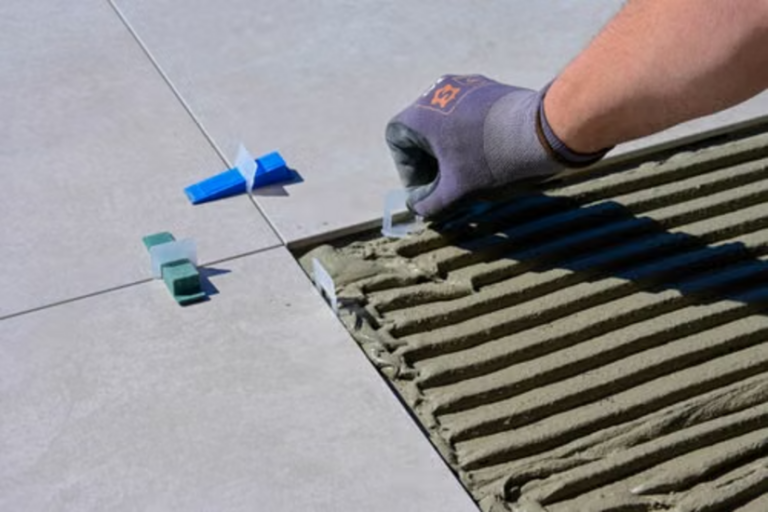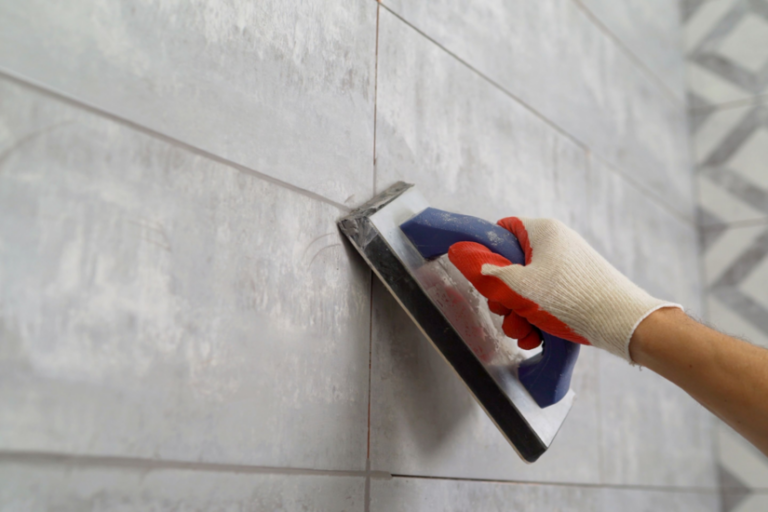


Removing tile adhesive is a key part of the tile removal process. Whether you’re updating a bathroom, replacing kitchen floor coverings, or refreshing wall tiles, getting rid of old adhesive prevents damage to the surface beneath and creates a smooth surface for your new installation. It’s a task that can feel tough at first, but with the right tools and approach, it’s manageable even for beginner DIYers.
When tile adhesive is left on a surface, it can lead to uneven floors or walls and weak bonding for new tiles. That’s why this guide covers safe and practical methods for different substrates like concrete floors, plaster walls, timber boards and backer boards. You’ll learn how to tackle each surface step by step, what tools you need, and how to work cleanly and safely so your next project runs smoothly.
Why Removing Tile Adhesive Matters?
Tile adhesive is designed to grip hard and stay put, so once the tiles come off, the adhesive usually stays behind. New tiles need a flat, clean base to bond properly. Old adhesive left in place can stop the new adhesive bedding in, leaving hollow spots or a poor finish.
It also affects your setting-out. Even a few high ridges can throw off your tile lines, especially on walls where you want neat joints. Taking time now saves time later. You’ll lay faster, cut less, and get a better result.
Preparing Your Work Areas Safely
Before you begin removing old tile adhesive, you should prepare your work areas to protect yourself and your home:
- Remove or cover furniture and fittings to protect them from dust and debris.
- Cover floors and nearby surfaces with dust sheets or drop cloths to catch falling residue.
- Wear protective gear such as safety goggles, a dust mask and gloves to guard against flying chips and fine dust.
- Close off skirting boards and seal gaps around doorways to limit spread of dust and debris to other rooms.
These steps help keep the space manageable and reduce mess. Removing tile adhesive generates fine dust and small fragments, so protecting other areas makes cleanup easier later.
Tools and Equipment for Removing Tile Adhesive
The best tools depend on the surface and how stubborn the adhesive is. For beginners, start simple and only step up to power tools if you really need them, especially on walls.
- Hand tools : A sharp floor scraper, bolster chisel, and a chisel and hammer for controlled lifting.
- For Larger Areas : An oscillating multi-tool with a scraper blade can save time on stubborn patches.
- Heavy-duty options : Rotary hammers and grinders can work well on floors, but they can also chew up a surface quickly if you rush.
The general rule is this: choose the mildest tool that still gets the job done. That approach prevents damage, especially on plaster and timber.

Step by Step: General Tile Removal Process
Before tackling residual adhesive, most jobs start with removing floor tiles or wall tiles themselves. This is typically done with a chisel and hammer, starting at a loose or broken tile and working across the area. Once tiles are removed, you’re left with the hardened adhesive on the substrate.
Here’s a simple overview of the tile and adhesive removal process:
- Clear the room of obstacles and set up protective covers.
- Remove grout around the tiles (if still present) and then lift loose tiles with a chisel and hammer.
- With the tiles off, assess how much tile adhesive remains and select tools based on how stubborn it is.
- Start removing adhesive using manual or powered tools, working step by step so you don’t gouge the base surface.
Working methodically in small sections helps avoid damage and keeps the surface in better shape for retiling later.
Removing Tile Adhesive from Concrete Floors
Concrete floors are usually the most forgiving surface. Old tile adhesive can bond very strongly, so you may need a firmer approach.
- Start by knocking off heavy ridges with a floor scraper or chisel, keeping the blade low to the surface.
- For tougher patches, a rotary hammer with a wide chisel can help, but keep it at a shallow angle and take your time.
- On big floor areas, a grinder or floor scraper can speed things up, but go steady. You’re aiming to level the adhesive, not dig into the concrete.
Once the bulk is off, run a straight edge over the floor. If you can see rocking or high spots, keep working until the floor feels even. The goal is a base that’s flat enough for fresh tile adhesive or other floor coverings.
Removing Tile Adhesive from Plaster and Plasterboard
Plaster and plasterboard walls are more delicate than concrete, so aggressive tools can easily damage the substrate:
- Start with a hand scraper, chisel and light tapping to lift adhesive without tearing plaster.
- Warm water or steam can soften adhesive; dampening it with a damp cloth helps make scraping easier.
- Be patient and gentle. It’s better to repeat gentle scraping than to dig into the wall and have to patch holes later.
After removal, the plaster may need light filling or smoothing if slight pits or marks are left behind.
Removing Tile Adhesive from Timber Surfaces
Timber floors and plywood subfloors need a gentle approach. Timber can splinter, and deep gouges can cause squeaks or weak spots later.
- Start by scraping lightly to see what lifts without force.
- If needed, soften residue with warm water applied sparingly, then scrape again once it’s had time to loosen.
- Work in the direction of the boards where possible, and avoid heavy blows that could split the timber.
Once you remove adhesive, check for loose fixings, movement, or damaged boards. Sort that now, before you re-tile, because timber movement is one of the reasons tiles crack later.
Removing Tile Adhesive from Backer Boards
Backer boards are designed for tiling, especially in wet areas, but they’re not indestructible. If you damage the board surface badly, it can be better to replace the board rather than patch and hope.
- Start with manual scraping. Often the residue will come away in thin layers.
- A multi-tool scraper can help on stubborn spots, but keep it moving and don’t dig into the board.
- If the board face breaks up or becomes soft, consider swapping the sheet. A clean, stable base matters more than saving one board.
Treat the backer board as something you preserve, not something you attack like concrete.
Dealing with Dust and Debris While You Work
Dust control is not just about mess. Fine dust is unpleasant to breathe in, and it gets everywhere.
- Wear a dust mask and keep your eye protection on.
- Vacuum as you go, especially on larger areas where dust builds up quickly.
- Keep rubble in buckets or bags so you’re not spreading dust and debris through the house.
- Wipe down tools and surfaces regularly so the dust doesn’t turn into a film you keep re-disturbing.
A clean work area helps you see what you’re doing, and that leads to fewer slips and less damage.
Tips for Reducing Damage and Dealing with Uneven Surfaces
Once most of the tile adhesive is off, you’ll often be left with thin ridges and patches. This is where many people rush and end up causing more harm than good.
- Switch to a scraper or sanding method for the last layer rather than heavy chiselling.
- Check the surface by running your hand across it. You’ll feel high spots before you see them.
- For walls, small pits and marks can be filled later. For floors, you may need to smooth or level, depending on your finish.
When you’re finished, wipe the surface with a damp cloth to lift the last fine dust. That makes it easier to spot any remaining bumps and helps you judge whether you’ve got a true smooth surface.
Preparing for New Tile Adhesive Installation

After you’ve removed old adhesive:
- Vacuum or wipe down the area to clear all dust and debris.
- Use a warm, damp cloth to pick up fine particles left behind after vacuuming.
- Let the base dry completely before applying new tile adhesive.
- If needed, fill any holes or uneven spots with appropriate floor levelling compound or filler.
Taking these final preparation steps gives the best result when you start your next tiling job. If you want your next tiling job to stick properly and look clean, don’t rush the prep. Pick up solid tiling basics and best practice with Tradefox, then tackle the job with more confidence.
Conclusion
Removing old tile adhesive is not the glamorous part of tiling, but it’s the part that protects the quality of everything that comes after. The biggest mistakes are rushing, using the wrong tool for the surface, and ignoring dust control.
Work steadily, protect your edges and work areas, and choose methods that prevent damage rather than create extra repairs. If you aim for a flat, clean base, your next tiling job will go down straighter, look sharper, and last longer.