

When clients report foul odours, you need to act quickly. Dealing with smelly drains in bathroom facilities is a critical sanitary job, not just a comfort fix. Foul smells usually mean sewer gases are breaching the living space. You need a solid diagnostic approach rather than guesswork. This guide walks you through the diagnosis and causes of these odours, keeping UK regulations in mind.
The Dangers of Sewer Gas
Before touching any pipes, you must understand the gases involved. The main cause of smelly drains in bathroom environments is hydrogen sulphide (H2S).
This gas forms when organic matter breaks down without oxygen. It is highly toxic and flammable. You will notice a rotten egg smell at low levels. Constant exposure causes olfactory fatigue. This means you or the client might stop smelling it even when danger remains. Always treat these situations as health risks. Ensure good ventilation and use gas detection gear. [Insert link to Health and Safety Executive HSE guidelines on hydrogen sulphide].
Mechanical and Biological Failures
You need to spot both mechanical faults and biological buildups.
Trap Seal Loss
The water seal in a trap is your first defence against gas. Approved Document H of the UK Building Regulations requires specific water seal depths. Seals usually fail due to specific mechanisms.
- Induced siphonage happens when wastewater from another appliance creates negative pressure. This pulls the seal out of the trap.
- Self siphonage occurs when the appliance empties, creating a vacuum that clears its own trap.
- Evaporation affects guest ensuites or rarely used fixtures.
- Capillary action draws water over the trap weir due to hair or debris.
Biofilm and Organic Matter
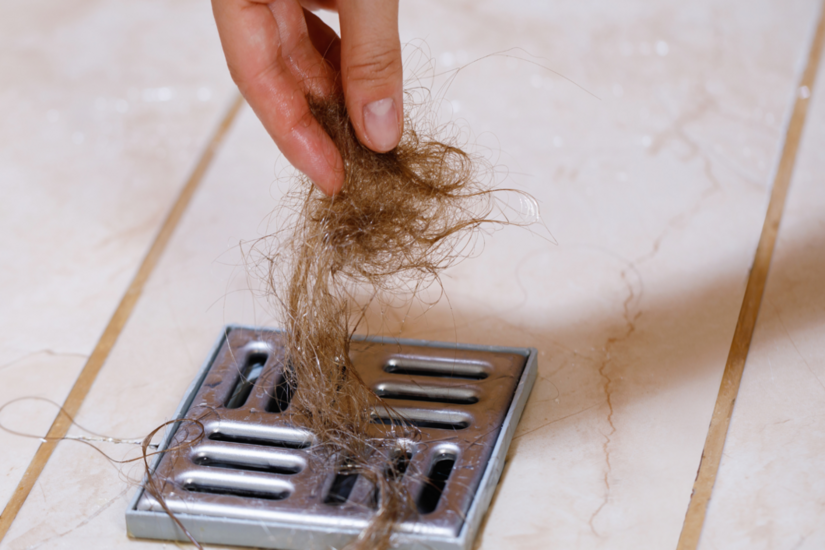
Odours can also start above the waterline. Shower and basin wastes easily gather biofilm. Biofilm consists of bacteria, soap scum, hair, and skin cells. Decaying organic matter creates strong local smells. You must distinguish between actual sewer gas and severe biofilm buildup.
Defective Air Admittance Valves
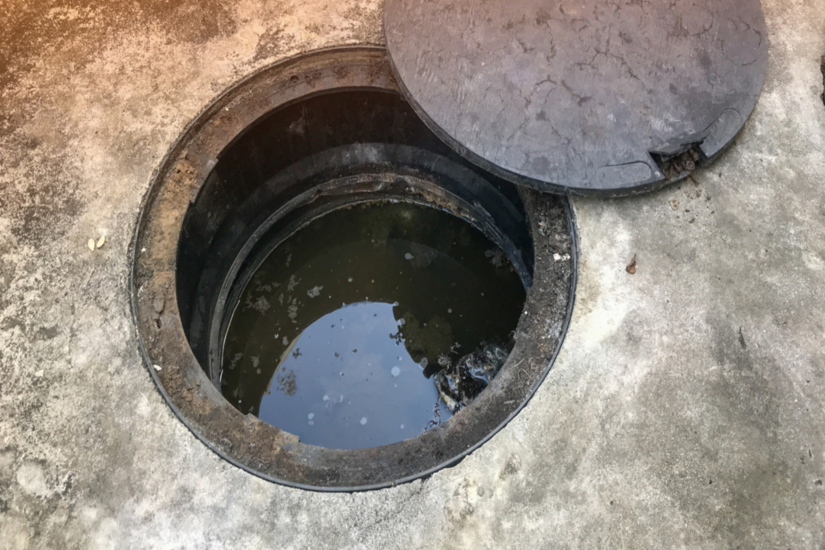
Air Admittance Valves balance system pressure. They let air in to stop siphonage but stay closed to block gas. The internal diaphragm can degrade or get blocked by dirt. A broken valve stays partially open. This releases sewer gas directly into the room or ceiling void.
Blocked Vent Pipes
The soil and vent pipe must safely vent to the outside atmosphere. Leaves, nests, or frost can block this vent. A blocked vent stops pressure equalisation, leading to trap siphonage. Cracked soil pipes inside the building envelope will also leak gas indoors.
Pipe Integrity Issues
Micro fractures in PVC or cast iron cause subtle issues. Failing solvent weld joints and degraded push fit O rings allow gas to escape. These defects are notoriously hard to spot visually.
Diagnostic Steps
Fixing smelly drains in bathroom systems requires a logical workflow.
Visual and Smell Checks
Start with a close look at all visible pipes, traps, and connections. Check the water seal depth in every appliance. Look for moisture around joints, as this often indicates escaping gas. Ask the client exactly when the smell peaks. Notice if it happens after flushing or during high winds.
Pressure Testing
Use a manometer to check drainage system pressure. Seal the vent temporarily and introduce slight pressure. A dropping gauge confirms a breach in the pipework. This step proves the existence of hidden leaks.
Smoke Testing
Smoke testing works well for hidden breaches. You pump non toxic artificial smoke into the drainage system. Then, you inspect the property for smoke plumes. Smoke will escape from bad joints, dry traps, or failed valves.
CCTV Drain Surveys
A micro CCTV camera inspection is ideal for suspected blockages or structural faults. It lets you see inside concealed soil pipes. You can easily identify scale, cracks, or partial blockages.
Dye Testing
Dye testing helps track wastewater paths. Use fluorescent dye if the smell comes with unexplained damp patches. This separates drainage leaks from structural water ingress.
UK Building Regulations Compliance
Every repair must meet current UK standards. Approved Document H dictates proper sanitary pipework installation.
You must maintain correct pipe gradients and respect maximum unvented branch lengths. Trap seals must meet depth rules, like the 75mm requirement for soil pipe discharges. Air Admittance Valves must conform to BS EN 12380. Always install them in ventilated, accessible areas. Failing to follow these rules when repairing smelly drains in bathroom setups can result in systemic failures and legal issues.
Safety Protocols
Your safety and the client’s safety always come first. Complete a full risk assessment before starting intrusive work.
Keep the work area well ventilated at all times. Wear personal gas monitors when entering confined spaces or ceiling voids. Methane and hydrogen sulphide can accumulate rapidly. You must wear appropriate Personal Protective Equipment. Nitrile gloves and safety glasses protect against biological hazards in wastewater. For learners building confidence in plumbing procedures and safe working practices, TradeFox offers step by step training designed to help users improve practical skills at their own pace.
Final Thoughts
Chemical drain cleaners rarely solve deep rooted odour issues. You need an analytical mindset backed by mechanical knowledge and regulatory awareness. Systematically rule out causes using proper diagnostic tools. Adhere to safety protocols and building codes to deliver permanent solutions.