

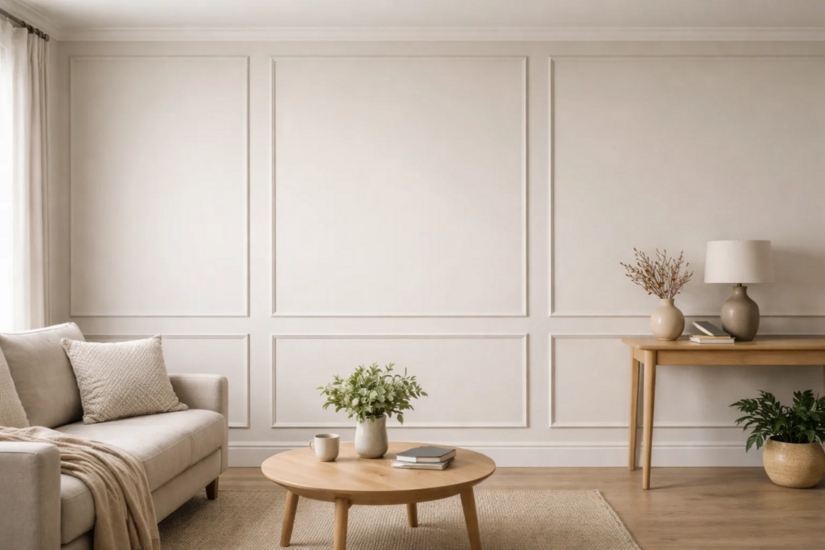
Installing wall panelling properly demands strict adherence to site safety, precise substrate preparation, and advanced joinery techniques. Professional tradesmen understand that surface aesthetics rely entirely on the structural integrity beneath. This technical guide outlines the mandatory protocols for commercial and high-end residential installations, ensuring full compliance with current UK building regulations and health and safety standards.
Essential Health, Safety, And UK Regulatory Compliance
Site safety and regulatory compliance form the foundation of any professional installation. Overlooking these elements presents severe risks to both the tradesman and the property.
Hidden Services And Site Safety
Before commencing any physical work or substrate preparation, site safety dictates a thorough scan for hidden services. Tradesmen must use a calibrated cable and pipe detector to locate electrical feeds and plumbing pipework concealed within the walls. Striking a live wire or pressurised water pipe presents a severe site hazard and breaches fundamental safety protocols.
Visual inspections of socket alignments and radiator pipe drops provide initial clues, but electronic scanning remains mandatory. Always practice safe isolation procedures and avoid mechanical fixings in prescribed electrical zones without appropriate precautions and verification.
Fire Safety Standards (Building Regulations Part B)
Compliance with UK Building Regulations is non-negotiable. When installing wall panelling properly in commercial spaces, communal areas, or escape routes, the materials must meet strict fire ratings. The UK has transitioned to the European classification system under BS EN 13501-1.
Panelling materials typically require a Euroclass B-s3, d2 rating, which replaces the older Class 0 spread of flame terminology. This rating limits combustibility, smoke production, and flaming droplets. Always consult Approved Document B for specific project requirements and ensure your suppliers provide valid certification for their products.
COSHH And Asbestos Control
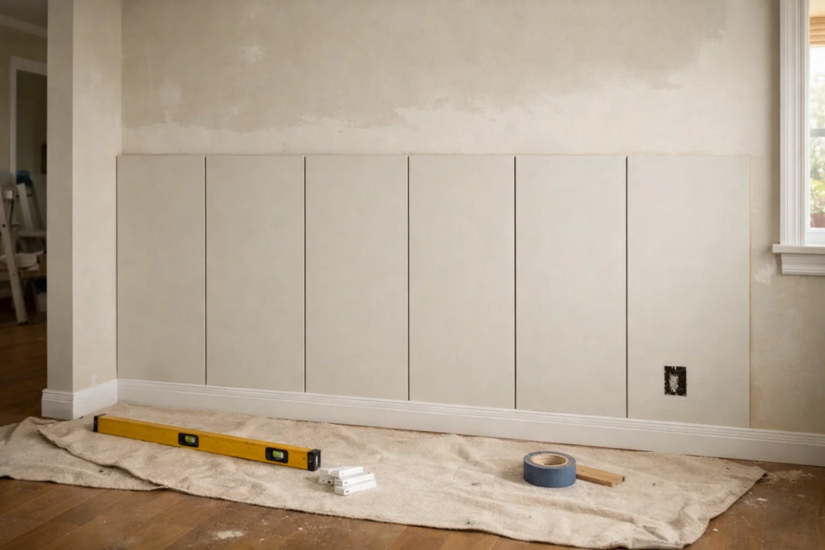
Hazardous dust and materials require strict COSHH compliance on every site. Machining medium-density fibreboard and natural timber generates fine particulate matter linked to respiratory diseases. Site setups must include M-Class dust extraction hooked directly to plunge saws, routers, and orbital sanders. Refer to the HSE guidance on wood dust for mandatory extraction requirements.
Furthermore, when working in properties built or refurbished before the year 2000, tradesmen must remain vigilant for asbestos containing materials. Compliance with the Control of Asbestos Regulations 2012 is mandatory. Review the HSE asbestos regulations prior to drilling suspect substrates or removing old plasterboard.
Substrate Checks And Preparation
Substrate preparation dictates the longevity of the entire installation. Applying premium panelling over a failing wall guarantees eventual structural failure.
Assessing Wall Integrity And Moisture
Assessing the wall begins with checking for moisture and structural integrity. New plaster must dry completely before any covering is applied. The standard professional rule requires allowing one millimetre of plaster thickness to dry per day under normal atmospheric conditions. Professional installers should verify moisture levels using a calibrated pinless moisture meter.
Testing the existing substrate involves tapping the wall to identify hollow acoustics. Blown plaster requires complete removal and patching, as it cannot support the weight of timber or fibreboard. Painted surfaces require cross-hatching or mechanical scarification to provide a mechanical key for subsequent priming and bonding.
Priming And Sealing
Priming the wall provides the necessary structural key for adhesives. Diluted PVA is completely unacceptable for professional installations. PVA remains water-soluble and will re-emulsify if environmental moisture fluctuates or if moisture cures out of the adhesive. This leads to catastrophic adhesive failure and detached panels.
Tradesmen must specify an SBR (Styrene Butadiene Rubber) primer or a dedicated acrylic bonding agent. SBR provides a robust, water-resistant seal that consolidates dusty surfaces, controls suction on porous plaster, and guarantees a permanent structural bond.
Adhesive Selection For Structural Integrity
Selecting the correct bonding agent ensures structural stability over time, accommodating natural building movement and environmental changes.
MS Polymers Vs. Solvent Grabs
When installing wall panelling properly, rely on modern MS Polymer adhesives rather than traditional solvent-based grab adhesives. MS Polymers offer superior initial grab and remain permanently flexible to accommodate natural timber movement. They cure effectively even in the presence of slight moisture and do not become brittle over time.
Application technique matters just as much as the product. Apply adhesives in vertical beads rather than dots or horizontal zig-zags. Vertical application prevents moisture from becoming trapped behind the panels and allows air to circulate, significantly reducing the risk of interstitial condensation and subsequent mould growth.
Achieving Clean Joint Finishes
Achieving flawless joints separates professional installations from standard grade work. Flush seams require mechanical reinforcement alongside chemical bonding.
Edge-To-Edge Jointing Techniques
Flat panel joints require robust structural reinforcement. Structural polyurethane adhesives expand slightly during curing to fill microscopic voids in edge-to-edge joints, creating an incredibly strong bond.
Utilising floating tenons provides exceptional alignment and structural rigidity across these seams. Using a domino joiner allows for precise registration across long panel seams, eliminating stepping or lipping between boards. Never use flexible decorators caulk for flat joints. Caulk shrinks as the water evaporates and attracts dirt, ruining the flush, monolithic finish required for high-end panelling.
Two-Part Fillers And Sanding Protocols
For seamless finishing across joins, mitres, and mechanical fixings, two-part wood fillers are mandatory. Two-part fillers cure chemically via a hardener, resist shrinking entirely, and accept paint similarly to the surrounding material.
Sanding these joints requires an M-class rated random orbital sander equipped with high-quality aluminium oxide abrasives. Installers should follow a strict grit progression, typically starting at 120 grit to flatten the filler, and finishing at 180 grit to remove sanding pigtails and ensure optimal primer adhesion. Want your wall panelling to stay neat for the long run? Learn the practical basics of sealing, joint checks, and safe cleaning with TradeFox, so your finish stays tidy and protected.
Professional Standards And Quality Assurance
Maintaining these exacting standards guarantees regulatory compliance and installation longevity. Professional bodies such as the Federation of Master Builders advocate for continuous adherence to these strict methodologies to elevate trade standards.
Installing wall panelling properly requires a systematic, documented approach to every phase, from the initial safety scan and substrate assessment to the final sanded joint. By rejecting substandard DIY practices and embracing regulated, research-backed techniques, tradesmen deliver durable, safe, and highly refined interior finishes.