

How long does it take for paint to dry is a programme question, a quality question, and sometimes a safety question. It affects when coats of paint can be recoated, when masking can be removed, and when joinery can be put back into service. Furthermore, it also affects whether defects appear later, because paint can feel dry to the touch while still being soft underneath.
This guide is written for tradesmen and people entering the painting and decorating trade. This guide focuses on paint drying times, recoat windows, and safe site controls in line with UK practice.
What “Dry” Actually Means On Site?
How long does it take for paint to dry depends on which drying stage is being discussed. Three stages matter.
Touch Dry means the surface skin forms enough that light contact does not transfer paint. Touch Dry does not mean the coating is hard enough for cleaning, masking, or impact.
Recoat Time means the coating can accept the next coat without dragging, wrinkling, or solvent trapping. Recoat Time is usually the key timing for production.
Cure Time means the coating has developed its designed hardness and resistance. Cure Time is when paint has cured and is closer to fully dry in performance terms. Cure Time can take days even when the film feels dry to the touch.
Typical Paint Drying Times By Product Type
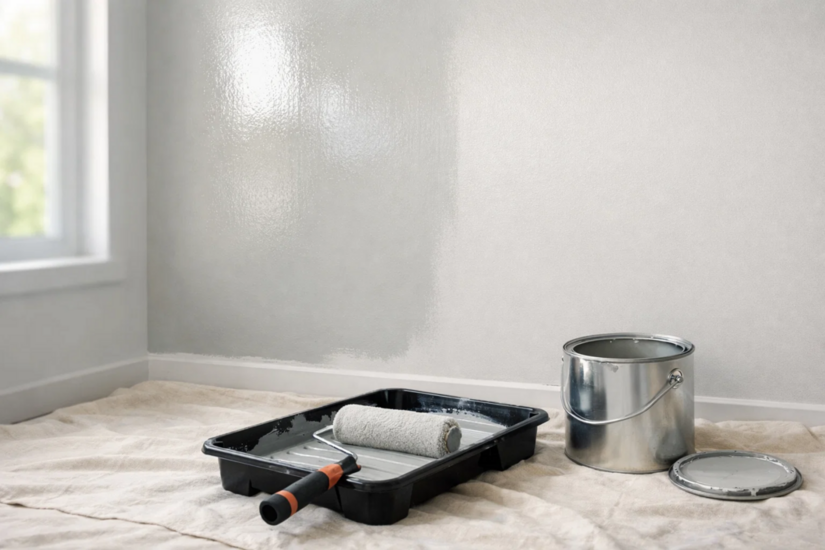
Paint drying times vary across types of paint and site conditions. Manufacturer technical data sheets should always lead decision making. Typical ranges below assume around 20°C and moderate humidity, and they will extend in cold or damp environments.
Water-Based Emulsion And Latex Paint
Latex paint and contract matt emulsions are often touch dry in around 1 to 2 hours and recoatable in around 2 to 4 hours. Longer drying time is common on new plaster, high humidity jobs, and poorly ventilated rooms. Cure performance for scrubbing and stain resistance often takes several days, even when the wall looks finished.
Water-Based Trim Finishes
Water based acrylic eggshells and satins commonly reach touch dry within 1 to 2 hours and can be recoated after around 4 hours under stated conditions. These systems reduce odour and can support faster sequencing, but they still need time to cure before doors are closed tightly or heavy handling starts.
Oil-Based Paint and Solvent Borne Systems
Oil based paint and traditional alkyd systems generally take longer. Touch dry can be around 4 to 6 hours and recoat can be around 16 hours, with slower drying in cold weather and enclosed areas. A common trade mistake is assuming overnight equals cured. A film can reach 24 hours and still not be fully cured, especially on dense joinery profiles and heavy cuts.
Specialist and Fast Dry Systems
Fast dry trade systems can reduce recoat times, but they are still condition dependent. Air movement, temperature, and film thickness will decide whether the product behaves like the data sheet. Product selection should match the specification and service conditions, not only the programme.
Why Paint Can Feel Dry But Not Be Ready
It is because drying and curing are not the same thing. Drying is mainly solvent or water leaving the film. Curing is the hardening process where the binder develops strength and resistance.
A coating can feel dry to the touch while still being soft. A coating can also skin over while moisture remains in the film, which increases the risk of dragging on recoat or blocking on doors. A coating that has cured is more stable, less tacky, and less likely to mark during handover.
The Variables That Change Dry And Cure Times
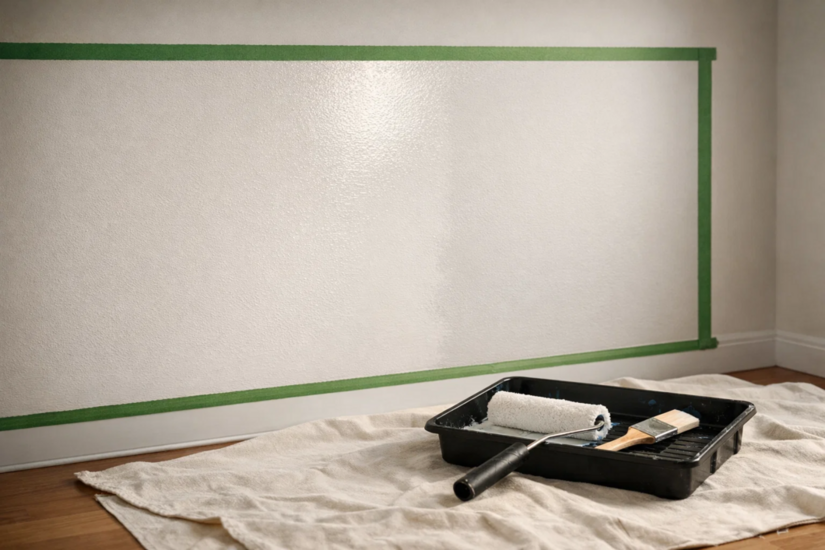
How long the paint takes to dry depends less on the tin than many assume. Site conditions drive results.
Temperature affects evaporation and film formation. Low temperatures slow drying and extend time to cure. Night time drops can also create condensation on cold substrates.
Relative Humidity affects water based systems most. High humidity slows evaporation and increases longer drying time. High humidity can also contribute to blooming and uneven sheen in some finishes.
Air Movement and ventilation reduce vapour build up and help coatings dry and cure. Air conditioning can support stable temperature and humidity control, but it must not blow dust onto wet films. Mechanical ventilation may be required in enclosed spaces depending on product hazards and the task.
Film thickness increases drying time when coats are applied too heavy. Heavy application is a common reason why the time paint takes to dry becomes unpredictable.
Substrate porosity and moisture change open time and absorption. Fresh plaster often demands a controlled mist coat approach and adequate drying before finishing coats are applied.
Trade Sequencing That Protects Quality And Programme
How long does it take for paint to dry should be built into sequencing with other trades.
Joinery rehanging should be planned around cure, not only touch dry. Blocking risk is high when doors are closed too soon, even with water-based systems.
Masking and de-masking should match the coating stage. Tape can tear soft films if removed too early. Tape can also pull edges if left too long and the film bridges.
Flooring and final clean should be kept away from fresh coatings. Abrasion, scuffing, and cleaning chemicals can damage films that are not fully cured.
If you want to improve your construction skills, try TradeFox’s interactive online training. Work through guided, risk-free simulations at your pace, then apply the same steps on your next job.
Safety and Compliance In UK Workplaces
Solvent and additive exposure controls should be managed through a COSHH assessment under the Control of Substances Hazardous to Health Regulations 2002, supported by the product Safety Data Sheet. Ventilation should be treated as both a drying control and an exposure control, especially with oil based paint, primers, and spraying work. HSE guidance highlights that solvents can create serious inhalation risk in poorly ventilated areas, particularly in confined spaces.
Fire and ignition risks should be controlled where solvent vapours may be present. Heaters and ignition sources should be selected under site rules and risk assessment, particularly in enclosed rooms.
Skin exposure should be managed with suitable gloves, good wash facilities, and good housekeeping. RPE requirements should be considered where spraying or high exposure tasks are planned.
Practical Decision Rules For Site Use
How long does it take for paint to dry? This question should be answered with a consistent process.
Manufacturer technical data sheets should be checked for touch dry, recoat, and time to cure guidance. Conditions on the day should be noted, including temperature, humidity, and ventilation status.
A recoat should not be based only on whether the paint feels dry to the touch. A recoat should be based on the specified recoat window and confirmed by inspection for tackiness, edge build, and solvent smell.
A handover should allow for cure where service demands it. A decorated door set that is shut immediately can fail even when the finish looks acceptable at completion.
Conclusion
How long it takes for paint to dry depends on product type, conditions, and film build. The best way to answer is by a technical data sheet, checked against real site temperature, humidity, and air movement. It is also a safety question where solvents, spraying, or enclosed areas are involved, because ventilation and COSHH controls protect health and prevent defects.