

Spalling bricks are one of the most common forms of masonry damage on UK buildings, and for working tradesmen they sit somewhere between a routine callout and a job that is easy to get wrong. When a brick face flakes, crumbles, or blows off, it is rarely just cosmetic. It usually signals that water is getting into the wall and that the masonry is under stress. Understanding the mechanism behind it is what separates a lasting repair from a patch that fails within two winters.
This guide is written for tradesmen and for anyone training towards the trade. It covers what spalling is, why brick faces blow, the freeze-thaw risk, durability ratings, and the repair choices that actually hold up.
What Spalling Actually Is
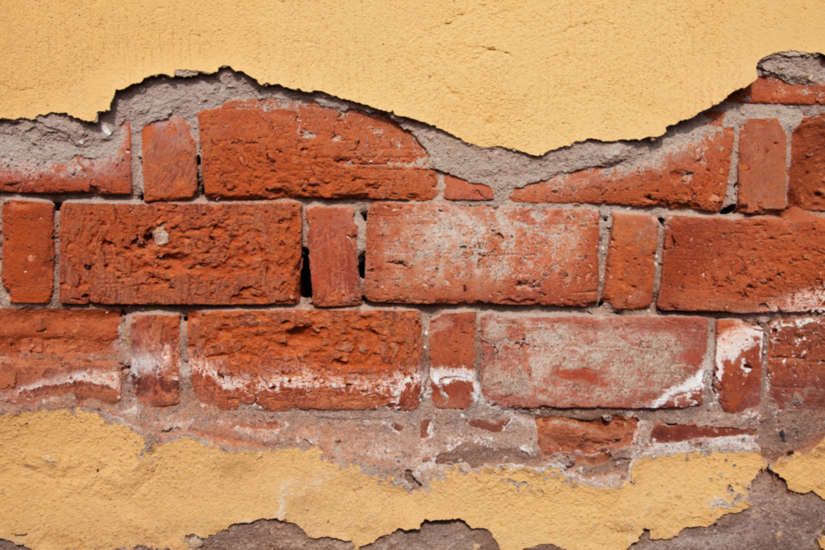
Spalling describes the breaking away of the outer face of a brick, leaving a pitted, crumbling, or recessed surface. The term you will hear alongside it is delamination, where the dense fired skin of the brick separates from the softer core behind it. Once that protective skin is gone, the exposed body soaks up water far more readily, which speeds up further decay.
It is worth being precise with terminology on site and in reports. Spalling is the visible damage. The cause behind most spalling on UK housing stock is freeze-thaw action, sometimes called frost attack. The two are linked but not the same, and a competent bricklayer or surveyor should be able to explain the difference to a client.
Why Brick Faces Blow: The Freeze-Thaw Mechanism
The core problem is water combined with cold. Bricks are porous by nature. When a brick becomes saturated and the temperature drops below freezing, the water inside the pore structure turns to ice and expands by roughly nine percent in volume. That expansion generates internal pressure against the surrounding material. When this cycle repeats over many winters, the cumulative stress fractures the brick face and forces it to flake away.
Conditions That Make Frost Damage Worse
Several conditions raise the risk of freeze-thaw damage:
- High moisture exposure. Bricks below a defective damp proof course, around leaking gutters, beneath cracked sills, or behind failed pointing stay wet for longer.
- Low durability bricks in the wrong place. Bricks are rated for frost resistance, and using a low-rated brick in an exposed or saturated position invites trouble.
- Hard, impermeable mortar or render. When a repair traps moisture inside the wall instead of letting it escape, the brick takes the punishment rather than the joint.
- Saturation from below. Rising damp and ground-level splashback keep the lowest courses wet, which is why spalling so often shows up near the base of a wall.
Reading the Pattern of Damage
The pattern tells you a lot. Damage concentrated near the ground points to rising damp or splashback. Damage under a windowsill points to a failed or missing sill throat or drip. Damage across a whole elevation can indicate a wider exposure or specification problem. Diagnosing the pattern before touching the wall is what stops a repair turning into a repeat visit.
Brick Durability Ratings You Should Know
UK clay bricks are classified under BS EN 771-1 for frost resistance into three categories:
- F2 (freeze-thaw resistant): Durable even where saturated and subject to repeated freezing and thawing. Suitable for severe exposure.
- F1 (moderately freeze-thaw resistant): Durable except where saturated and frozen repeatedly. Generally fine in the external face of a building in sheltered conditions.
- F0 (not freeze-thaw resistant): For internal or fully protected use only. Not acceptable externally unless behind cladding that keeps water out.
There is also a soluble salt classification that matters, because salts feed crystallisation damage and efflorescence:
- S2: Low active soluble salt content (the higher specification).
- S1: Normal active soluble salt content.
So a brick described as F2, S2 is the most robust combination, and F0,S1 the least. For anyone used to the old BS 3921 terms, F0, F1 and F2 broadly correspond to the former O, M and F frost designations.
Where Each Rating Belongs
The practical takeaway is straightforward. Any brick in an exposed external position, a parapet, a chimney, a coping, a sill, or below DPC level should normally be an F2 freeze-thaw resistant unit. NHBC guidance does allow F1 bricks in some general wall areas outside Scotland, but only where the manufacturer’s published recommendations confirm they suit the exposure. When in doubt, specify F2 or get written confirmation from the brick manufacturer. Getting this detail wrong is a leading cause of premature spalling bricks, and it is exactly the kind of thing that comes back on the contractor.
The Role of Cement Pointing and Sealants
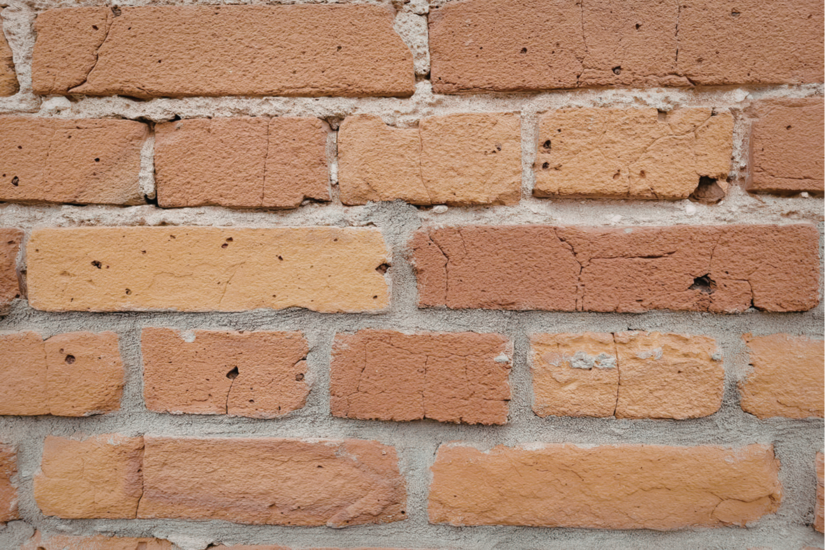
A recurring cause of spalling on older properties is well-meaning but damaging repair work. Many pre-1919 buildings were built with soft, breathable lime mortar. When these walls are repointed with a hard, dense cement mortar, the joints become less permeable than the bricks. Moisture that would once have evaporated through the soft joint is now forced out through the brick face instead. The brick becomes the sacrificial element, and spalling follows.
The same logic applies to surface sealants and waterproof coatings sold as a quick fix. Trapping moisture behind an impermeable film often makes freeze-thaw damage worse, not better, because water still gets in through cracks and capillary action but can no longer dry out. For breathable solid-wall construction, matching the mortar to the original specification is the safer route. Historic England and the Brick Development Association both publish guidance on appropriate mortar mixes for traditional masonry.
Assessing the Damage Before You Quote
A proper assessment protects both the client and your reputation. Before pricing the job, establish four things.
- The source of water. Repairing a spalled face without fixing the moisture cause guarantees a callback. Check gutters, downpipes, flashings, sills, the damp proof course, and ground levels.
- The extent and depth. Surface flaking on a few bricks is a different job from structural loss across a load-bearing pier.
- The structural significance. Damage on a chimney stack, parapet, or arch carries safety implications. Falling masonry is a real hazard.
- The original construction. Solid wall versus cavity, lime versus cement, and the brick durability rating all change the correct method.
Repair Choices
There is no single fix. The right option depends on severity, location, and how the wall was built.
Cutting Out and Replacing Bricks
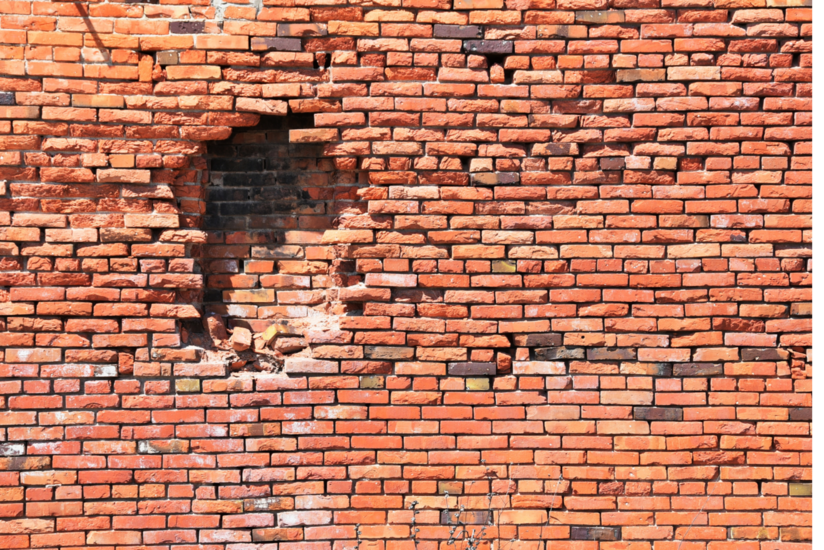
This is the standard repair for localised spalling. Damaged units are raked out and replaced with matching F2 freeze-thaw resistant bricks bedded in a compatible mortar. Sourcing a colour and size match on older stock is often the hardest part, and reclamation yards are usually the answer.
Brick Face Repair Mortars
For shallow surface loss where full replacement is not justified, a breathable, compatible repair mortar can be appropriate. This is specialist work and should not be confused with smearing standard sand and cement over a damaged face.
Repointing in Matched Mortar
Repointing in a compatible mortar is essential alongside any brick repair, especially on traditional buildings where switching back to a lime-based mix restores the wall’s ability to breathe.
Turning the Brick
Rotating a spalled brick to present a sound face was once common. It is now generally discouraged, because it can bring weaker faces or salts to the surface. Replacement is usually the sounder choice where the brick has decayed.
Fixing the Moisture Source
This one is non-negotiable and underpins every other repair. New flashings, sill repairs, gutter clearance, damp proof course remediation, and lowering high ground levels all do more for long-term durability than the brickwork itself.
Picking the right repair takes judgement that builds with practice, not just reading.
Safety and UK Regulation Compliance
Spalling repairs often involve height, dust, and structural risk, so the following apply.
- Work at Height Regulations 2005. Chimneys, parapets, and upper elevations need proper scaffolding or a suitable platform and full compliance with these regulations.
- COSHH and silica dust. Cutting out bricks releases respirable crystalline silica, which carries a Workplace Exposure Limit of 0.1 mg/m³ over an 8-hour period. Use on-tool water suppression or M-class extraction, and FFP3 respiratory protection where control is incomplete.
- CDM 2015. The Construction (Design and Management) Regulations apply to contracted masonry repair and should be factored into planning and responsibilities.
- Temporary support. When cutting out bricks from a load-bearing pier or close to an opening, provide suitable propping or temporary support before removing units.
- Falling material. Treat loose or unstable masonry at height as a falling-object risk and cordon or protect the area below.
Building This Into a Trade Career
For anyone moving into bricklaying, pointing, or general building, spalling is a useful subject to master early, because it sits where materials knowledge, weathering, and remedial technique meet. Recognising why a face has blown, tracing the moisture path, and choosing a compatible repair shows the kind of diagnostic skill that separates a competent tradesman from someone who only lays new work.
Qualifications through City and Guilds and NVQ frameworks cover masonry repair, and CSCS card requirements apply on most UK sites. Get the diagnosis right, fix the water before the brick, and match your materials to the wall in front of you. Do that consistently and spalling bricks become a straightforward, repeatable job rather than a recurring headache.