

For decades, sulphur hexafluoride has been the standard for electrical insulation in medium and high voltage networks. If you work in the electrical infrastructure sector, you have likely encountered SF6 Switchgear on multiple occasions. It is a fundamental technology that has allowed substations to become incredibly compact, efficient, and reliable across the United Kingdom and globally.
The industry is currently undergoing a massive structural shift regarding gas-insulated equipment. Driven by stringent environmental targets and updated UK regulations, the reliance on this highly potent greenhouse gas is coming to a definitive end. Understanding the mechanics, the inherent safety risks, and the legislative changes surrounding this equipment is a mandatory requirement for future-proofing your career as a high voltage professional.
This guide breaks down exactly how these systems operate, the precise hazards involved in maintenance, the impact of the latest F-gas regulations, and the alternative technologies that will dominate the market from 2026 onwards.
What is Gas-Insulated Switchgear and Why Has It Been the Standard?
To understand why the industry relies so heavily on sulphur hexafluoride, we must look at the physical challenges of managing high electrical loads. When a circuit breaker opens under a heavy fault current, the electrical charge attempts to bridge the physical gap. This creates an intense, high-temperature plasma arc. If this arc is not extinguished immediately, it will destroy the equipment, melt copper contacts, and cause catastrophic structural failures.
Sulphur hexafluoride is an inert, synthetic, colourless, and odourless gas that possesses exceptional arc-quenching and electrical insulation properties. It is roughly five times denser than ambient air. When an arc forms inside a breaker chamber, the gas absorbs the free electrons. This cools the arc rapidly and restores dielectric strength between the contacts in a matter of milliseconds.
Because of this superior insulating capacity, electrical engineers can design units that are significantly smaller than equivalent air-insulated alternatives. A compact footprint is a massive operational advantage in urban electrical infrastructure, offshore wind farms, and underground substations where physical space is severely limited.
Despite these brilliant technical attributes, the application of this gas is highly regulated. The gas must be contained within heavily sealed and monitored pressure vessels. The handling of the equipment requires specialised, certified training to prevent leaks and ensure the long-term integrity of the installation.
The Hidden Dangers and Safety First Principles
While pure sulphur hexafluoride is technically non-toxic, working with SF6 Switchgear presents several severe occupational hazards that every competent tradesman must respect. Safety first is the golden rule when operating, maintaining, or decommissioning these high voltage units.
Asphyxiation Risks in Confined Spaces
Because the gas is significantly heavier than air, any leak in a confined space will cause it to pool at the lowest possible level. This includes cable trenches, substation basements, or enclosed switchrooms. As the gas accumulates, it displaces the breathable oxygen. Since the gas has no smell or colour, a technician entering a trench without proper gas monitoring equipment could easily be overcome by oxygen deprivation.
You must always ensure robust mechanical ventilation is active before commencing work. You must also use calibrated oxygen depletion monitors before entering any lower-level confined spaces in electrical substations.
Toxic By-Products from Electrical Arcing
The most severe health risk comes not from the pure gas, but from what happens to it under extreme electrical stress. When the gas is subjected to the intense heat of an electrical arc, a small portion of the chemical structure breaks down. While most of it recombines once the arc is extinguished, some of it reacts with moisture and vaporised metal contacts to form highly toxic by-products.
These by-products include sulphur dioxide, thionyl fluoride, and highly corrosive hydrofluoric acid. They also include disulphur decafluoride, which is extremely hazardous to human health. These compounds typically present as a fine, white, or chalky powder inside the breaker housing. If a catastrophic fault occurs or if the equipment requires invasive maintenance, technicians are at risk of inhaling these toxic powders or suffering severe chemical skin burns.
Appropriate personal protective equipment is non-negotiable for invasive tasks. Full respiratory protection with specialized filters, non-porous chemical gloves, and disposable chemical suits are mandatory when opening a faulted compartment.
The Environmental Toll and The Global Warming Problem
Beyond the immediate physical hazards, the most pressing issue with SF6 Switchgear is its environmental impact. Sulphur hexafluoride holds the unfortunate title of being the most potent greenhouse gas known to modern science.
To put it into perspective, one kilogram of this gas released into the atmosphere has the equivalent global warming potential of approximately 24,300 kilograms of carbon dioxide. Furthermore, it has an atmospheric lifespan of over 3,200 years. Even a minor leak from a deteriorated rubber seal on a medium voltage unit has devastating long-term environmental consequences.
Across the Great Britain electricity network, it is estimated that there are over one million kilograms of this gas contained within hundreds of thousands of active units. Historically, a small percentage of this gas leaks annually due to aging seals, maintenance errors, and equipment failures. As the UK commits to aggressive Net Zero targets, eliminating these fugitive emissions has become a top priority for the government, National Grid, and local Distribution Network Operators.
UK Regulations and The 2026 Phase-Out Milestones
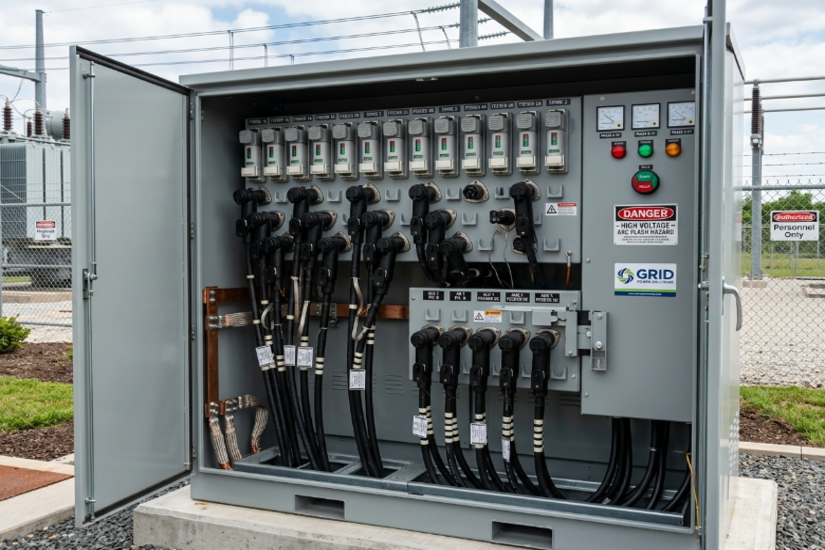
The regulatory environment is tightening rapidly across the energy sector. Tradesmen and electrical contractors need to be fully aware of the legal frameworks governing the installation and maintenance of this equipment.
The European Union recently updated its F-Gas regulations, introducing strict timelines for an outright ban on new greenhouse gas equipment. Because the supply chain for electrical infrastructure is heavily integrated across Europe, these manufacturing changes directly dictate what is available in the UK market. The UK Department for Environment, Food and Rural Affairs is currently aligning domestic regulations with these ambitious environmental targets.
Key Milestones fr tohe Electrical Sector
The phased withdrawal of greenhouse gas-containing equipment is fast approaching and will affect all voltage levels.
- January 2026 : A complete ban on the installation of new equipment for primary and secondary distribution up to and including 24 kilovolts.
- January 2028 : The ban extends to electrical installations from 52 kilovolts up to and including 145 kilovolts.
- January 2030 : The prohibition covers medium voltage equipment from 24 kilovolts up to 52 kilovolts.
- January 2032 : The ban extends to all high voltage installations above 145 kilovolts.
- January 2035 : A proposed prohibition on using the gas for maintenance and servicing, effectively forcing the end of life for many existing legacy units.
For tradesmen, this means that from 2026 onwards, any new medium voltage installation under 24 kilovolts will utilise alternative technologies. However, the existing legacy equipment will remain operational for decades to come. Therefore, technicians must hold specific, accredited F-Gas handling certificates to recover, recycle, or top-up older units legally. Venting this gas into the atmosphere is a severe criminal offence under UK law, carrying heavy fines and potential imprisonment.
Best Practices for Safe Recovery and Decommissioning
Because legacy units will remain in service long past the 2026 ban on new installations, correct recovery procedures are an essential skill. When decommissioning old SF6 Switchgear, the gas must be reclaimed using dedicated, calibrated gas recovery carts.
These recovery carts draw the gas out of the compartment and compress it into certified storage cylinders. A deep vacuum must be pulled on the housing to ensure absolute removal of residual gas before the equipment can be safely dismantled. The recovered gas is then weighed, logged in a regulatory database, and sent to specialised facilities for purification or high-temperature destruction. Only personnel holding the correct qualifications, such as City and Guilds 2079 or equivalent high voltage specific certificates, are legally permitted to undertake this work.
The Future of Electrical Infrastructure with SF6-Free Alternatives
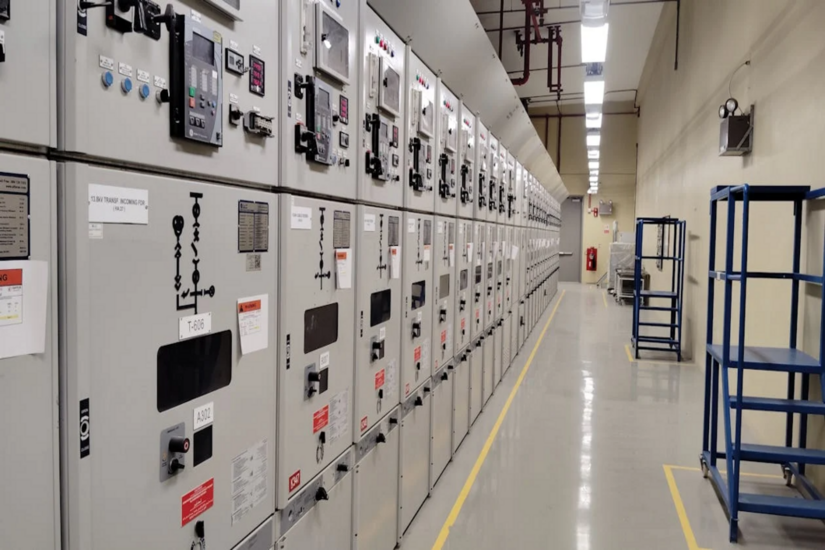
With the 2026 ban on new sub-24 kilovolt installations looming, major manufacturers have developed innovative alternative solutions. As a tradesman, you will increasingly install and maintain these new eco-friendly systems.
Vacuum and Pure Air Technology
The most prominent replacement for medium voltage applications combines vacuum interruption with pure air insulation. In these units, the actual breaking of the circuit occurs inside a sealed vacuum bottle, which naturally prevents plasma arcs from sustaining. The surrounding busbars and metallic components are insulated using purified, pressurised ambient air. This technology completely removes greenhouse gases from the equation while maintaining the compact dimensions that contractors expect.
Solid Dielectric Insulation
Another emerging technology for secondary distribution is solid dielectric insulation. In these designs, the current-carrying components are entirely encased in epoxy resin or similar solid insulating materials. This eliminates the need for any gas pressure monitoring and significantly reduces routine maintenance requirements.
Synthetic Alternative Gases
For high voltage transmission networks where pure air is not quite sufficient, manufacturers are using synthetic fluoronitrile gas mixtures. While these are still synthetic gases, their global warming potential is a fraction of legacy solutions. In many cases, these new mixtures reduce the carbon footprint of the insulating medium by over 99 percent. Working with these new gases will require updated handling procedures, new recovery cylinders, and different leak detection protocols.
What This Means for Your Career and Training
The transition away from legacy gas insulation represents a significant evolution in the electrical trade. If you are an established high voltage technician, or an apprentice planning to enter the industrial sector, your training path must adapt to these changes.
Firstly, holding a valid F-Gas certification remains critical for maintaining the vast amount of legacy equipment currently active on the national grid. Network operators are heavily focused on reducing leak rates from existing stock. This means rigorous maintenance schedules, precise leak detection, and strict gas recovery operations will be a major source of work for the foreseeable future.
Secondly, you must familiarise yourself with the installation parameters of alternative technologies. While the core electrical principles remain identical, the mechanical handling, weight distribution, and gas monitoring systems of pure air or synthetic gas units will differ from traditional models.
The tradesmen who actively pursue training in these new technologies will be in extremely high demand. As the UK scales up its grid capacity to handle offshore wind generation and mass electric vehicle charging, the rollout of green electrical infrastructure will create decades of highly skilled work. Stay informed about the latest regulations, keep your safety qualifications updated, and prepare your business for the 2026 transition.
For learners building their path into the trade, TradeFox offers structured, step-by-step training that helps develop real understanding of electrical work, safety practices, and practical skills that can be applied across both existing systems and newer technologies.