

Working in the building trades is physically demanding and often involves exposure to harsh weather conditions. To maintain an effective and safe workforce, the provision of basic sanitary and resting infrastructure is an absolute necessity. The standards governing Site Welfare Facilities in Construction are strictly regulated in the UK. These regulations ensure that tradespeople have access to adequate toilets, washing stations, drinking water, and rest areas.
Understanding these requirements is not just a matter of compliance for principal contractors and site managers. It is essential knowledge for any professional tradesperson stepping onto a site. Knowing what you are legally entitled to ensures that your health, hygiene, and overall safety are protected throughout the duration of a project.
The Legal Framework Under CDM 2015
In the UK, the baseline for site welfare is dictated by the Construction (Design and Management) Regulations 2015. These are commonly referred to as CDM 2015.
Under these regulations, the responsibility for providing and maintaining welfare facilities falls primarily on the principal contractor. Clients also have a duty to ensure that the principal contractor complies with these rules before any construction work begins.
The regulations make it clear that welfare facilities must be available from the very first day on site until the project is completely finished. Setting up the site is never an acceptable excuse for inadequate provisions. If the permanent welfare units are not yet operational, temporary but fully compliant alternatives must be in place.
Principal contractors must plan these provisions during the pre-construction phase. This ensures that the moment ground is broken, the workforce is fully supported by the correct infrastructure.
Core Minimum Requirements
The Health and Safety Executive provides detailed guidance on what constitutes acceptable Site Welfare Facilities in Construction. These are statutory minimums that site managers must adhere to strictly.
Failing to meet these standards is a direct breach of UK health and safety law.
Toilets And Privacy Standards
The number of toilets required directly correlates with the number of workers on site and the type of infrastructure available. Site managers cannot simply guess the required amount.
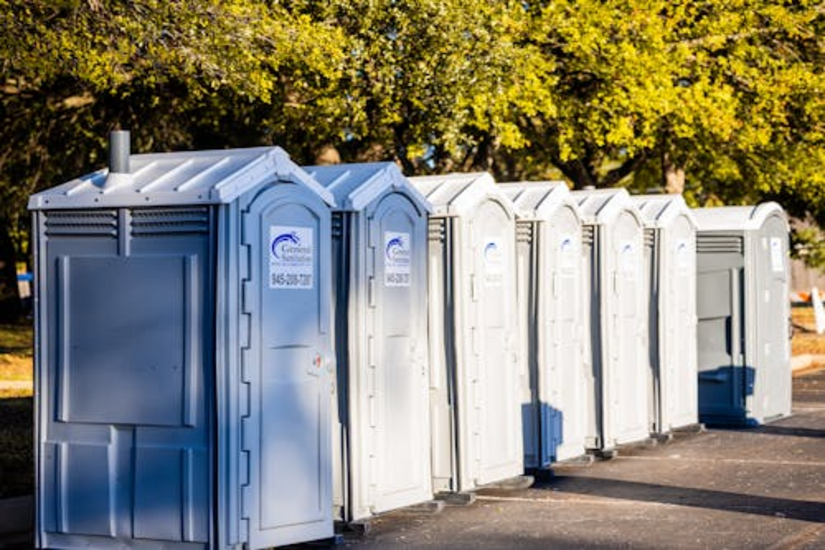
- The HSE standard requires at least one portable toilet and one washbasin for every seven workers if the units require manual emptying.
- The requirement shifts if the site is connected to mains water and drainage.
- For plumbed facilities, the ratio is one toilet and one washbasin for up to fifteen workers.
- Site managers must provide separate facilities for men and women.
- Where separate facilities are not reasonably practicable, the site must feature lockable, single occupancy unisex rooms equipped with both a toilet and a sink to guarantee absolute privacy.
Washing Facilities And Hot Water
Washing facilities must be located immediately next to the toilets. The regulations regarding these stations are absolute.
- These washing stations must include a supply of clean, hot and cold running water.
- Warm water is an acceptable alternative to separate hot and cold taps.
- Cold water alone is illegal and completely unacceptable under any circumstances.
- Sinks must be large enough to allow workers to wash their hands, forearms, and faces comfortably.
- Soap or other suitable cleaning agents must be provided constantly.
- A hygienic means of drying hands, such as paper towels or hot air dryers, is also a strict requirement.
Rest Areas And Canteens
Tradespeople need a dedicated space to take their breaks, eat food, and recover from strenuous physical labor. Rest facilities must be protected from the weather, adequately heated, and properly ventilated.
Sitting on a stack of bricks in a damp shell of a building does not meet the legal criteria. A compliant rest area must contain tables and chairs.
- Furthermore, the chairs must have backs.
- Benches without back support are considered inadequate for proper rest.
- The facility must also include a way to heat food, such as a microwave, and a way to boil water for hot drinks.
If workers are required to wear heavily soiled work clothes, the rest area should be kept completely separate from the main changing areas. This maintains necessary hygiene standards where food is consumed.
Drinking Water Provisions
A supply of wholesome drinking water must be readily accessible to all workers. This supply should be connected to a mains water pipe whenever practical.
If a mains supply is not available, bottled water or water dispensed from a clean, maintained tank is required.
- The drinking water supply must be clearly marked with appropriate signage.
- This prevents any confusion with non-potable water sources on site.
- Additionally, cups or other drinking vessels must be provided unless the water is supplied through an upward jet fountain.
Changing Rooms And Lockers

When tradespeople are required to wear specialist personal protective equipment or specific work clothing, dedicated changing rooms must be provided. These rooms need to be secure, well lit, adequately ventilated, and heated. It is a legal requirement that they offer a way to dry wet site gear overnight.
Forcing workers to put on cold, damp clothing at the start of a shift is a direct violation of welfare standards and presents a serious occupational health risk. Secure storage, such as lockers, should also be available to keep personal belongings safe from theft or damage.
The Impact On Worker Safety And Health
The strict enforcement of proper Site Welfare Facilities in Construction is driven by the direct correlation between adequate amenities and occupational health. Poor welfare provisions lead directly to increased illness, fatigue, and site accidents. Construction sites are volatile environments.
Workers are routinely exposed to cement dust, Respirable Crystalline Silica, solvents, and biological hazards. Proper washing facilities are the primary defense against severe occupational diseases.
Mitigating Dust Ingestion And Chemical Hazards
Thorough handwashing before eating is the only effective way to prevent the accidental ingestion of silica dust or lead particles.
These hazardous materials are easily transferred from contaminated hands to food or cigarettes during break times. Inhaling or ingesting Respirable Crystalline Silica over time leads directly to silicosis, a severe and irreversible lung disease. Cement dust presents its own unique dangers. It can cause irritant contact dermatitis and severe chemical burns if not washed off the skin promptly.
Exposure to contaminated water or soil can lead to Leptospirosis, which is a serious bacterial infection transmitted through rat urine. Without hot water and soap, this basic level of hygiene is impossible to achieve, leaving workers entirely vulnerable to these long-term health conditions.
Fatigue Management And Thermal Comfort
Construction work is physically draining, and fatigue is a major contributing factor to site accidents. A tired worker is significantly more likely to make a mistake, misjudge a distance, or bypass a critical safety protocol. Rest areas provide the necessary environment for workers to physically recover during their scheduled breaks.
Thermal comfort is equally vital for maintaining site safety. In cold weather, workers lose manual dexterity rapidly. Cold, numb hands cannot grip scaffolding tubes securely or operate heavy power tools safely.
Heated rest areas and drying rooms for wet gear allow workers to restore their core body temperature. This maintains the physical control required to perform dangerous tasks safely and efficiently.
Mental Wellbeing And Site Culture
The quality of site welfare provisions sends a clear message to the workforce about how much their employer values their health and safety. Substandard, dirty, or inadequate facilities severely degrade site morale.
A workforce that feels disrespected is generally less compliant with broader safety regulations. They are also less invested in the overall quality of the project. Conversely, well maintained welfare units contribute to a highly professional site culture where standards are respected across the board.
Maintenance And Regulatory Enforcement
Providing the facilities is only the first step in the compliance process. The ongoing maintenance of Site Welfare Facilities in Construction is equally critical. Toilets that are overflowing, washbasins with no soap, and rest areas filled with muddy footprints do not meet the legal requirements of CDM 2015.
Site managers must implement a strict, daily cleaning schedule. Consumables like soap, paper towels, and toilet rolls must be restocked constantly.
- Chemical toilets require regular pumping and chemical replenishment by licensed waste contractors.
- If the facilities break down, such as a water heater failing, it must be treated as a priority site emergency and repaired immediately.
The Health and Safety Executive takes welfare violations extremely seriously. During site inspections, welfare provisions are often the very first thing an inspector will check. If a site is found to be non-compliant, the HSE has several enforcement tools at its disposal.
- Inspectors can issue Improvement Notices, requiring the contractor to fix the issues within a specific timeframe.
- For severe breaches, such as a total lack of hot water or toilets, the HSE will issue a Prohibition Notice.
- This immediately halts all work on site until the facilities are brought up to standard.
Furthermore, under the Fee for Intervention scheme, the contractor will be billed at an hourly rate for the inspector’s time spent identifying the breach and enforcing the law. The financial and reputational costs of ignoring welfare regulations far outweigh the cost of providing adequate facilities from day one. If you are learning the basics of site standards and day to day good practice, Tradefox covers health and safety essentials alongside practical trade skills.
Conclusion
The provision of adequate welfare infrastructure is a foundational element of occupational safety in the building trades. Strict adherence to the regulations protects workers from immediate physical harm, prevents debilitating long-term occupational diseases, and ensures a basic level of human dignity on the job.
For tradespeople, understanding these rights is the first step in demanding a safe working environment. For contractors, meeting these standards is an absolute legal and moral obligation that underpins the operational success of any project.