


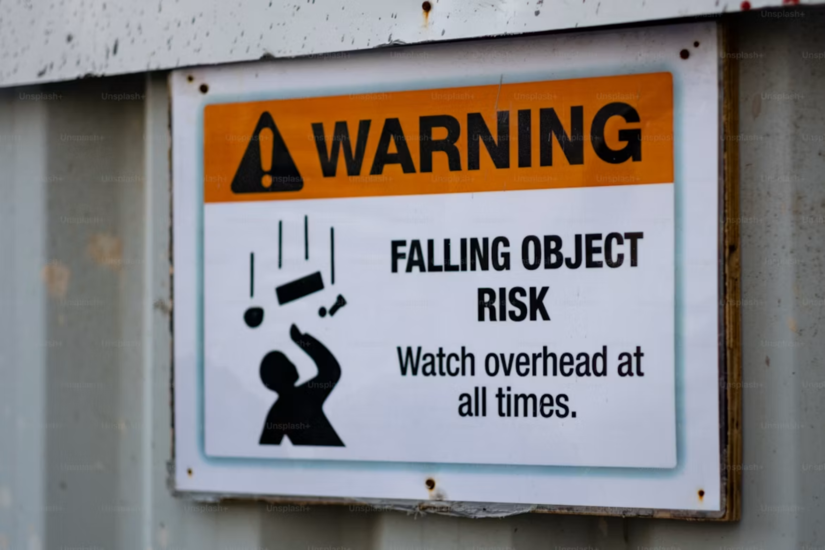
Every job on site starts with a plan. You turn up, the paperwork is signed off, the method statement tells you how the work will run, and the risk assessment lists the hazards someone spotted in advance. Then reality hits. Weather turns, a delivery blocks your access route, the scaffold you expected to use has been struck early, or the labourer next to you fires up an angle grinder two metres from where you stand. The written assessment did not predict any of that.
This is where a dynamic risk assessment earns its keep.
For tradesmen, knowing how to respond when conditions change is not optional. It is the difference between finishing the day safely and becoming a statistic. If you are working toward a trade or already on the tools, treat this as core competency, not background reading.
What a Dynamic Risk Assessment Actually Is
A dynamic risk assessment is the live judgement a competent worker makes when conditions shift during a job. It is not a form you fill in at the start and forget. It is the real-time process of noticing what has changed, reassessing the hazard on the spot, and adjusting how you work to keep the risk under control.
It helps to separate two things:
- The written risk assessment: Completed before work starts, covering hazards that can be predicted in advance.
- The dynamic risk assessment: Your response to hazards the written version could not fully anticipate, because site conditions move, develop, or escalate while you work.
The Ministry of Defence guidance (JSP 375), which offers one of the clearest definitions available, describes a dynamic risk assessment as a real-time process for conditions subject to real-time change, where further control measures must be brought in at short notice to keep risk as low as reasonably practicable and tolerable. That is military guidance rather than civilian construction law, but the definition travels well onto any building site. It tells you three things: it happens in the moment, it responds to change, and it still has to keep risk properly controlled.
Is It a Legal Requirement?
Worth being straight about one point. The Health and Safety Executive (HSE) does not name “dynamic risk assessment” as a separate legal requirement in its core guidance. What the HSE does require, under the Management of Health and Safety at Work Regulations 1999, is that your assessments are suitable and sufficient and that they get reviewed whenever there is reason to suspect they are no longer valid or there has been a significant change. Dynamic risk assessment is simply how that duty plays out on the ground, in real time, when you are the one holding the tools.
Why Site Conditions Change More Than People Admit
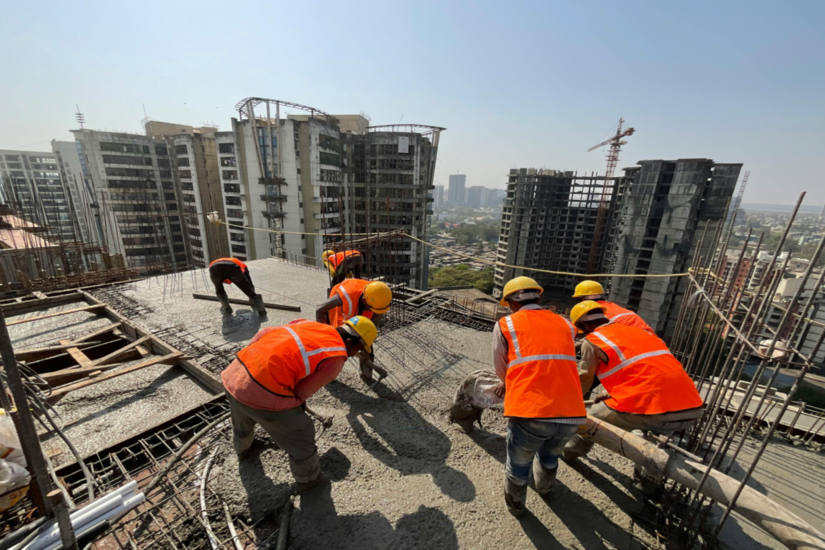
Construction and trade environments are rarely static. A site at 8am is a different place by lunchtime. Common changes that should prompt you to reassess include:
- Weather: Rain makes surfaces slippery, wind makes working at height and handling sheet materials dangerous, and cold affects grip and concentration.
- Other trades: You may arrive to find another crew has introduced hot works, dust, noise, or a fresh exclusion zone near your task.
- Access and egress: A blocked route, a removed ladder, or a scaffold altered without warning changes your escape options instantly.
- Hidden services: Discovering live cables, gas, or water where the drawings said there were none.
- Fatigue and staffing: A short-handed crew, a new starter who does not know the site, or your own tiredness late in a shift.
- The structure itself: Unexpected movement, cracking, or instability during demolition, excavation, or refurbishment.
None of these need to be dramatic to be dangerous. The quiet changes are often the ones that catch people out.
How to Carry Out a Dynamic Risk Assessment on Site
The CHAS framework sets out a practical five-step approach that maps well to real trade work. Once it becomes habit, you can run through it in your head in under a minute.
- Assess the situation: Stop and look. What has changed since the work was planned? What is the actual hazard in front of you right now?
- Take immediate action if needed: If something is unsafe this second, remove yourself and others from harm before you do anything else. A live cable or an unstable trench does not wait for paperwork.
- Choose a safe system of work: Work through the hierarchy of control. Can you eliminate the hazard, substitute it, engineer it out, or fall back on safe working practices and PPE as the last line of defence?
- Check the controls are proportionate: Make sure your response actually matches the risk. Do not over-engineer a minor issue, and do not paper over a serious one.
- Keep reassessing: Conditions keep moving, so keep watching. The residual risk needs monitoring until the job is done.
Training platforms such as TradeFox can help learners practise hazard awareness and safe working decisions through guided trade simulations. This supports regular learning, but it does not replace site-specific training, supervision or formal competence.
Know When a Hazard Is Beyond an On-the-Spot Fix
Some hazards are not yours to control alone, and pretending otherwise gets people hurt. Suspected live electrical services, gas escapes, and any sign of structural instability or collapse risk are stop-and-escalate situations. Get yourself and others clear, then get a competent, qualified person involved. Isolation of live services, for example, must be done by someone trained and authorised to do it, not improvised on the day. A good on-site risk assessment includes recognising the limit of your own competence.
Your Legal Position and Your Responsibilities
Knowing where you stand legally protects you.
Under the Health and Safety at Work etc. Act 1974, your employer has a duty to protect your health and safety so far as is reasonably practicable, and that duty extends to others affected by the work. The Management of Health and Safety at Work Regulations 1999 places a clear duty to review a risk assessment when it is no longer valid or when there has been a significant change.
You carry duties too. As a worker, Section 7 of the 1974 Act requires you to take reasonable care of yourself and those affected by what you do, and to follow the safety systems your employer puts in place. Reporting a new hazard the moment you spot it is part of that.
You Have the Right to Stop
This one matters, so commit it to memory. Regulation 8 of the Management of Health and Safety at Work Regulations 1999 requires employers to enable workers to stop work and immediately move to a place of safety when facing serious, imminent and unavoidable danger. Stopping an unsafe job is not you being awkward. It is a right backed by law. If controls exist and a worker chooses to ignore them, that can be judged a failure on the worker’s part, but the wider duty to provide safe systems, training, and supervision sits with the employer. Both sides have a part to play.
Where you can, record the dynamic decisions you make. Even a brief note in the site diary showing what changed and how you responded creates an audit trail. If an incident happens, or an HSE inspector asks questions later, that record shows you assessed the situation and acted competently.
Building the Habit Before You Need It
The tradesmen who handle changing conditions well are the ones who have practised the thinking until it becomes second nature. A few routines make the difference:
- Run scenario-based toolbox talks: Walk the crew through realistic situations, such as arriving to find your scaffold removed, and talk through the response out loud.
- Encourage a speak-up culture: People need to feel able to flag a new hazard without being treated as if they are slowing the job down.
- Keep records simple: A short line in the site diary is enough to show a decision was made and why.
A dynamic risk assessment is not a replacement for your written paperwork and never will be. It is what happens when the job in front of you stops matching the plan on paper, and it depends entirely on the competence and honesty of the person doing the work. Get it right, and you go home in the same condition you arrived.