


Natural stone tiles remain one of the most respected materials in professional flooring installations. Their durability, structural strength, and natural variation create surfaces that manufactured materials often struggle to replicate. However, natural stone flooring requires a higher level of technical understanding than ceramic or porcelain tiling.
Natural stone behaves differently during installation, reacts to moisture and chemicals, and varies significantly in porosity depending on the geological composition. Tradesmen working with natural stone tiles must therefore consider sealing decisions, stain risks, and installation techniques carefully to ensure long-term performance.
Professional installation standards in the UK reference guidance from organisations such as the British Standards Institution, particularly BS 5385-3, which covers design and installation considerations for natural stone floor tiling. Following recognised standards helps ensure installations remain safe, compliant, and structurally sound.
This guide explains key decisions around sealing natural stone tile surfaces, outlines common stain risks, and highlights installation mistakes that professional installers should avoid.
Understanding How Natural Stone Tiles Behave
Natural stone is a geological material rather than a manufactured product. Each piece of stone contains natural mineral variations that affect density, porosity, and colour.
Common materials used for natural stone flooring include:
- Limestone
- Marble
- Travertine
- Granite
- Slate
- Sandstone
Each of these stones responds differently to moisture, adhesives, and cleaning chemicals. Limestone and marble contain calcium carbonate and can react with acidic substances. Sandstone and travertine typically absorb water more readily because of their porous structure.
These differences mean installers must evaluate every batch of natural stone tile before installation. Stone from the same quarry may still vary in absorption rates or visual appearance.
Why Sealing Natural Stone Surfaces Matters
Sealing natural surfaces is often recommended for many types of stone used in flooring installations. Sealing helps reduce absorption and lowers the risk of staining during the service life of the floor.
The purpose of sealing is not to make stone waterproof. Instead, the correct sealer slows the rate at which liquids penetrate the stone.
A suitable sealing system can help:
- Reduce moisture penetration
- Improve stain resistance
- Simplify cleaning and maintenance
- Protect the natural finish of the stone
Not every natural stone tile installation requires sealing in the same way. The decision depends on factors such as stone porosity, location of installation, expected traffic levels, and exposure to oils or chemicals.
Professional installers often perform small absorption tests before deciding whether sealing natural stone is necessary.
Selecting The Correct Sealer
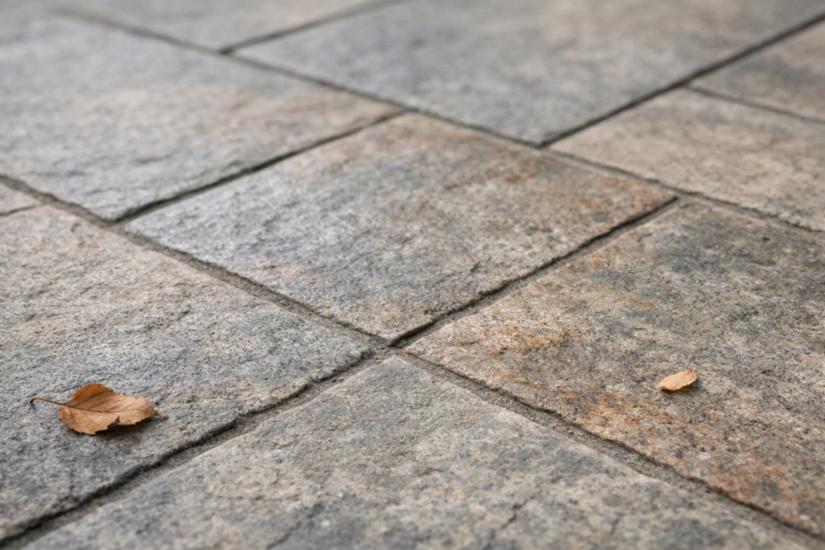
Choosing the correct sealer requires understanding both the stone and the environment in which it will be used.
Two main sealer types are commonly specified in professional installations.
Penetrating Sealers
Penetrating sealers absorb into the structure of the stone rather than sitting on the surface. This type of protection maintains the natural appearance of the material.
Penetrating sealers are widely used for natural stone flooring because they allow the stone to breathe while providing protection against stains.
They are often suitable for porous materials such as limestone, sandstone, and travertine.
Surface Sealers
Surface sealers form a coating on top of the stone. Some versions enhance colour or create a sheen.
Surface sealers may be used in decorative settings but require careful maintenance because surface coatings can wear over time.
Tradesmen should always follow manufacturer specifications and conduct test applications before sealing large areas.
When Sealing Should Be Applied
Sealing may take place at different stages of installation depending on the stone and the chosen grout system.
Some installers apply a light pre-seal before grouting to reduce grout pigment staining on porous stone. Pre-sealing must be carried out carefully so that the bonding surface of the tile remains clean. Adhesive must be able to bond directly to the stone.
Final sealing usually takes place after grouting once the installation has fully cured.
Following manufacturer instructions for curing times and compatibility between adhesives, grout, and sealers is essential.
Stain Risks Associated With Natural Stone Flooring
Natural stone tiles can stain if liquids penetrate the stone before cleaning occurs. Understanding the types of stains that may affect stone surfaces helps installers plan appropriate protection measures.
Oil Based Stains
Cooking oils, cosmetics, and grease can penetrate porous stone quickly. Kitchens, restaurants, and hospitality environments are particularly exposed to these contaminants.
Organic Stains
Food, beverages, and plant material can leave marks if they remain on the stone surface long enough to be absorbed.
Metal Oxidation
Some natural stones contain iron particles. Exposure to moisture may cause oxidation, which can produce rust coloured marks.
Adhesive And Grout Staining
Incorrect grout products or excessive pigment in grout mixes may stain lighter coloured stone surfaces.
Using stone-compatible adhesive systems and suitable grout materials is critical for preventing permanent discolouration.
The Importance Of Dry Laying The Tiles

Dry laying the tiles is a professional practice that should not be skipped when installing stone flooring.
Dry lay means arranging the natural stone tile layout before adhesive is applied.
This process allows installers to:
- Inspect colour and texture variation
- Identify damaged tiles
- Balance visual tones across the floor
- Confirm layout patterns
Natural stone tiles often vary significantly in shade and veining. Dry laying the tiles allows installers to distribute variations evenly across the installation area.
This step improves the final appearance and prevents clusters of similar tones appearing in one area.
Substrate Preparation For Natural Stone Flooring
Substrate preparation plays a major role in the success of natural stone flooring installations.
Stone tiles are typically heavier than ceramic tiles and are less tolerant of substrate movement. Uneven or unstable substrates can lead to cracking or debonding.
Before installing natural stone tiles, installers should confirm that the substrate meets the following requirements:
- Structural stability
- Correct load bearing capacity
- Suitable flatness and level tolerance
- Compatibility with chosen adhesive systems
Movement joints should also be planned in accordance with recognised tiling standards. Movement joints help accommodate structural movement, thermal expansion, and moisture changes within the building structure.
Adhesives And Grouts For Stone Installations
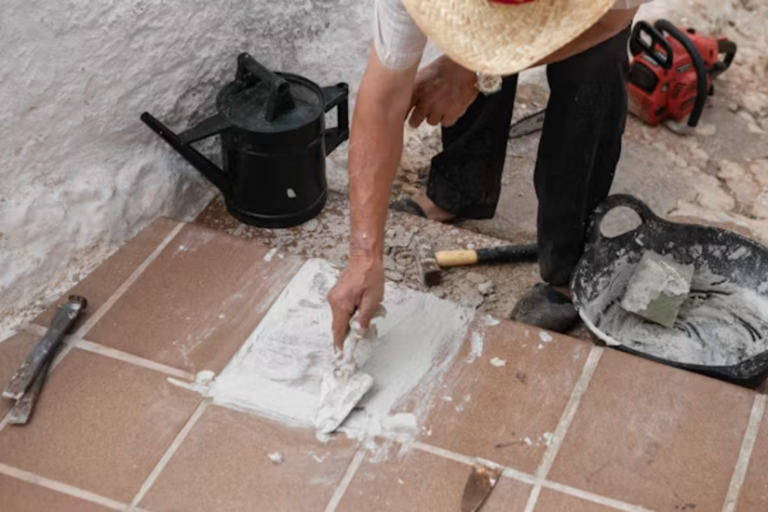
Adhesives used with natural stone tile installations must be compatible with the weight and absorption characteristics of the material.
Professional installers commonly specify cementitious adhesives that meet performance classifications referenced in UK tiling standards. Grout products should also be selected carefully to prevent staining or chemical reactions with sensitive stone types.
Following manufacturer systems for primers, adhesives, and grout products helps ensure reliable bonding and long-term durability.
Safe Working Practices For Stone Installations
Working with stone materials introduces several safety risks that tradesmen must manage carefully.
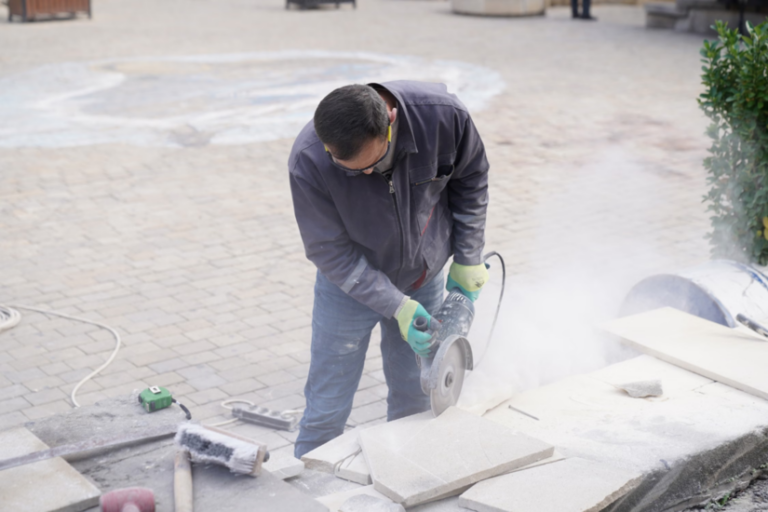
Stone cutting and grinding can produce respirable crystalline silica dust. Exposure to silica dust can cause serious respiratory disease if appropriate controls are not in place. Dust suppression methods such as wet cutting or local extraction should be used wherever possible.
Guidance from the Health and Safety Executive recommends conducting proper COSHH assessments when working with materials that produce silica dust.
Handling stone slabs also presents manual handling hazards. Large stone tiles can be heavy and unstable when stored on edge. Installers should use appropriate lifting techniques, mechanical aids where necessary, and safe storage systems such as A-frames.
Eye protection, suitable gloves, and hearing protection should be used when cutting or shaping stone materials.
Cleaning and Maintenance After Installation
Long-term performance of natural stone flooring depends heavily on correct maintenance procedures.
Professional installers typically advise clients to use pH-neutral cleaning products designed specifically for stone surfaces. Acidic cleaners can damage calcite-based stone such as marble and limestone.
Maintenance practices should include:
- Prompt cleaning of spills
- Avoiding abrasive cleaning tools
- Periodic resealing where required
- Using pH-neutral stone cleaners
Providing clear maintenance guidance helps protect the appearance and durability of natural stone tiles over time. Try TradeFox to practice construction procedures step by step, with guided simulations and feedback you can follow at your own pace.
Final Thoughts
Natural stone tiles offer exceptional visual appeal and long service life when installed correctly. Successful installations depend on understanding the material, planning the layout carefully, and following recognised industry standards.
Correct sealer selection, attention to stain risks, proper substrate preparation, and safe working practices all contribute to reliable results.
Tradesmen who approach natural stone flooring with technical precision and respect for the material will consistently achieve installations that remain durable, compliant, and visually impressive for many years.