

Ever caught a whiff of sulfur or rotten eggs in your home? Don’t ignore it. That smell is added to natural gas on purpose, it’s your first line of defense.
A leaking gas line is a serious safety hazard that can put your health, property, and even life at risk.
Recognizing gas leak symptoms early is key. That’s why we’re walking you through every sign, symptom, and action step you need to know.
This isn’t just for homeowners, it’s a must-read for renters, landlords, and anyone working around gas appliances like water heaters, ovens, or HVAC systems.
What Causes A Gas Leak?
Gas leaks don’t just happen out of nowhere. They’re usually the result of wear and tear on your gas line, damaged fittings, poorly maintained gas appliances, or improper installations.
Over time, seals can corrode, lines can shift, and pressure changes can cause small cracks.
Whether you’re working with natural gas or propane, the risk is the same: combustible fuel in an uncontrolled environment.
That’s why natural gas safety is always at the top of the checklist during home inspections and annual servicing.
Physical Symptoms Of Gas Exposure
Sometimes the first signs of a gas leak show up in your body before you even realize there’s a problem in your home.
Mild To Moderate Symptoms
You might feel a headache that won’t go away, or get dizzy or lightheaded for no reason. These are common early physical symptoms of gas exposure. Other signs include:
- Nausea or vomiting
- Fatigue or drowsiness
- Trouble breathing
- Irritated eyes or throat
- Unexplained mood swings or confusion
If these symptoms go away when you leave the building, that’s a big red flag that you’re dealing with a gas leak inside.
Severe Exposure
At high levels, a gas leak can cause:
- Shortness of breath
- Chest pain
- Loss of coordination
- Memory issues
- Seizures
- Loss of consciousness
Long-term exposure to carbon monoxide (a byproduct of incomplete combustion) can cause carbon monoxide poisoning.
That’s why every home with gas appliances should have carbon monoxide detectors and a working carbon monoxide alarm in bedrooms and living areas.
Environmental And Household Signs Of A Gas Leak
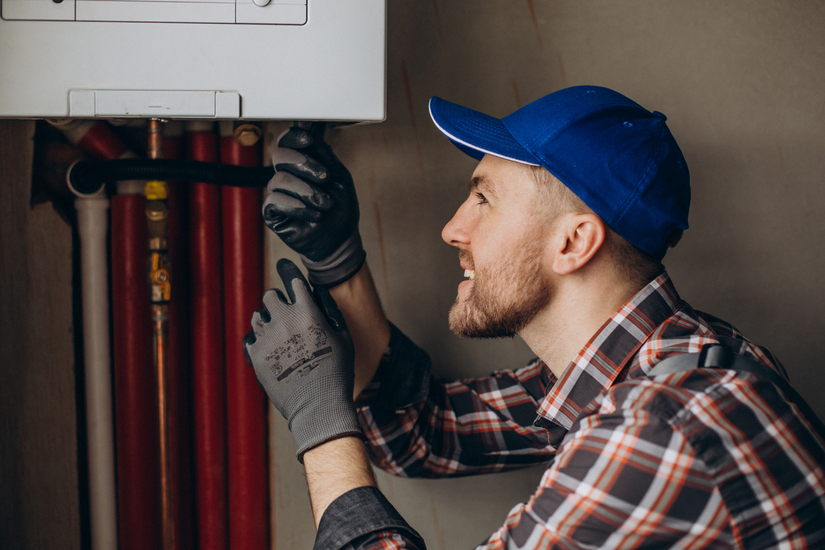
1. That Sulfur Or Rotten Eggs Smell
Natural gas doesn’t have a smell. Utility companies add a chemical called mercaptan so you can detect leaks quickly. If you smell sulfur or rotten eggs, don’t ignore it.
2. Hissing Or Whistling Sound
If you hear a faint hissing or whistling sound near your gas meter, stove, or any gas line, that’s pressurized gas escaping.
3. Dead Or Discolored Plants
Dead grass or indoor plants dying suddenly near gas lines or appliances can mean a slow leak, poisoning the environment.
4. Air Bubbles In Puddles Or Soil
If there’s a leak underground, you might see bubbles in standing water or unusually moist soil near your property.
5. Flickering Pilot Lights
Pilot lights going out repeatedly can mean gas supply problems or leaks in your home.
6. Increased Condensation Or Foggy Windows
Unusual condensation near gas appliances can mean poor ventilation and hidden leaks.
7. Unusually High Gas Bills
If your gas usage hasn’t changed but your bill has gone up, it’s time to call your gas company or a certified technician.
What To Do If You Suspect A Gas Leak
If you smell gas or hear hissing, do not hesitate. An explosion can be triggered by the tiniest electrical arc.
- Get out of the area without turning on lights, using your phone, or flipping any switches. Even the smallest spark can ignite a gas-filled space. As you exit, leave the door open to help ventilate the area. Do not use your phone inside the house; wait until you are the required safety distance away before calling 911/emergency services.
- Evacuate everyone from the building, including pets. Knock on doors to alert others; do not press the buzzer.
- Do not try to find or fix the leak yourself.
- Once outside and safely away from the property, call your utility company or 911 to report the issue. If your car is in the garage or parked near the house, leave it. The ignition spark is a high-energy ignition source.
- EVACUATE FIRST: Do not spend time searching for the leak or trying to turn off the gas valve. Get at least 300 feet away (roughly the length of a football pitch) before calling the emergency services or your gas provider.
You should also notify your gas company as soon as possible. They’ll send a technician to inspect and secure the system.
Preventing Future Gas Leaks
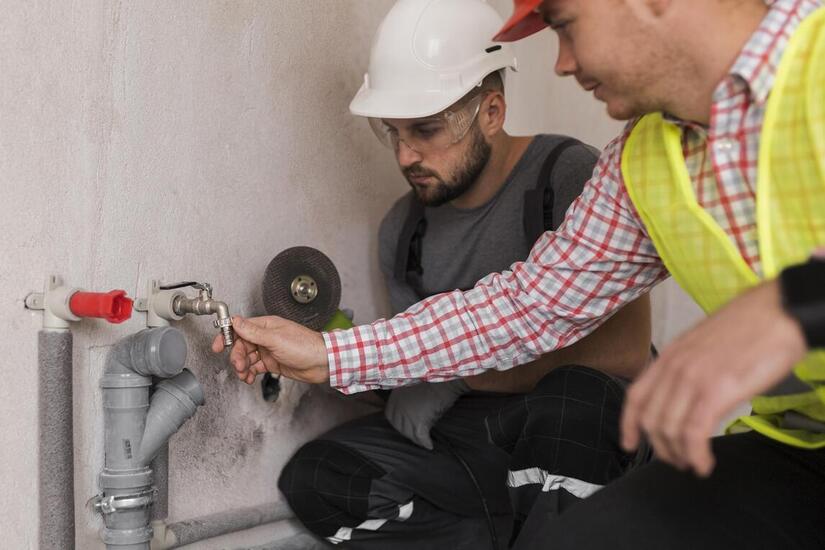
The best way to handle gas leaks is to prevent them altogether. Here’s what to do:
1. Regular Inspections
Have your gas lines, water heater, stove, and furnace checked at least once a year by a licensed professional. Many companies offer gas safety checks as part of routine servicing.
2. Install Alarms And Detectors
Installing the Right Alarms
It is a common myth that a Carbon Monoxide (CO) alarm will detect a gas leak. It will not.
CO Alarms: Detect poisonous exhaust fumes from faulty appliances.
Combustible Gas Detectors: Specifically detect unburnt natural gas or propane.
To be fully protected, you should install both, or a “multi-gas” detector specifically labeled to detect methane/propane. Ensure gas detectors are installed low to the ground for propane (which sinks) or high for natural gas (which rises).
3. Replace Aging Gas Appliances
If your appliances are more than 10-15 years old, it may be time to upgrade. Newer models are more efficient and have better built-in safety features.
4. Check Pilot Lights And Vents
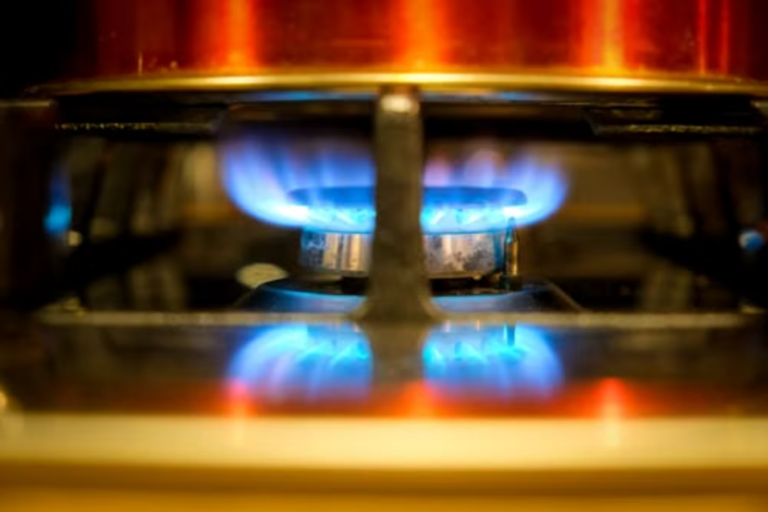
A healthy pilot light or burner flame should be crisp and blue. A lazy, yellow, or orange flame is a major warning sign of incomplete combustion. This indicates that the appliance is likely producing Carbon Monoxide, a silent, odorless killer. If you see yellow flames, turn off the appliance and call a Gas Safe registered engineer immediately.
5. Keep Areas Around Gas Appliances Clear
Clutter around heaters or gas stoves can increase the risk of fire if a leak ignites.
6. Train Everyone In The Household
Make sure everyone in your family knows how to spot a leak and respond properly.
You can even simulate scenarios using tools like Tradefox, a virtual learning platform that trains users in real-life construction, plumbing, and electrical situations, perfect for sharpening home safety awareness in a risk-free environment.
When To Call In the Pros
If you hear a hissing or whistling sound, smell sulfur, or see your pilot lights acting up, call in the pros. Don’t wait for a big problem. Contact a qualified technician or your gas company to schedule an inspection.
A licensed expert who knows gas line systems can make all the difference. They can find leaks you can’t and make sure your setup is code compliant and safe to use all year round.
Final Thoughts
Recognizing the early warning signs of a gas leak isn’t just about being cautious, it’s about protecting your health, your home, and your loved ones.
Whether it’s a strange odor, a spike in your gas bill, or unexplained physical symptoms, trust your instincts. If something feels off, don’t wait.
Practice good natural gas safety habits, stay up to date with inspections, and keep carbon monoxide detectors in working order. And if you ever suspect a gas leak, evacuate and call your utility company right away.
Your home should be a safe place, let’s keep it that way.