

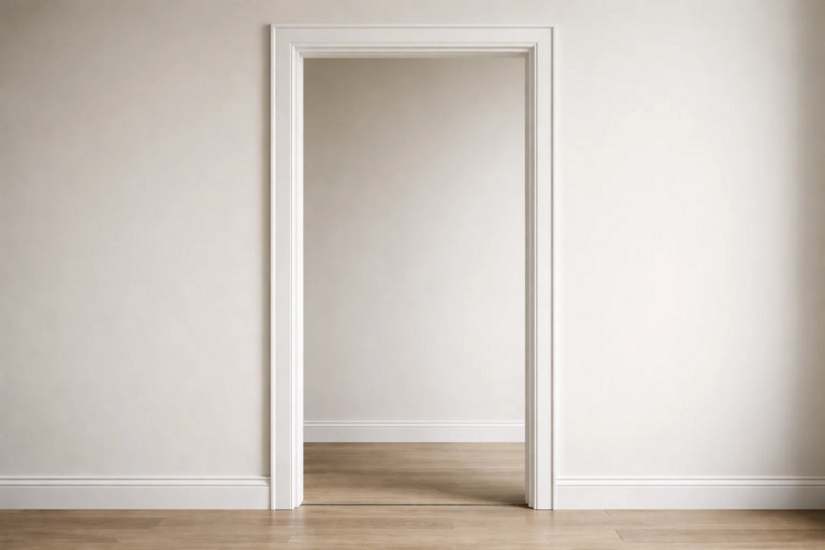
Installing a door frame incorrectly is a critical error that compounds into hours of expensive remedial work during the second fix phase of construction. When architraves do not sit flush against the plaster, the entire visual and structural quality of the installation is severely compromised. Selecting the correct door lining sizes from the outset is the only logical way to guarantee a professional, profitable, and compliant finish. This technical guide explores standard dimensions, the mathematics of wall thicknesses, and the strict safety protocols required when packing and fixing frames on United Kingdom construction sites.
Standard UK Dimensions And Structural Correspondences
British standard doors dictate the internal dimensions required for the frame, but the depth of the lining is entirely dependent on the structural makeup of the wall itself. Standard UK door lining sizes are specifically manufactured to correspond directly with typical modern construction methods.
Common Depths For Modern Construction
The two most common depths encountered on site by professional carpenters are 108mm and 133mm.
- A 108mm lining is precision milled to accommodate a standard 75mm timber stud wall, clad on both sides with standard 12.5mm plasterboard.
- This measurement intentionally allows a 1mm to 2mm over-measure on the total 106mm theoretical thickness.
- This slight protrusion permits the carpenter to plane the timber perfectly flush with the finished plaster, accounting for minor onsite deviations.
- A 133mm lining is designed specifically for a 100mm blockwork masonry wall or a 100mm timber stud partition.
- This depth calculates for the standard 12.5mm plasterboard and a 3mm skim finish on both sides of the wall.
Material Procurement Efficiency
Understanding these baseline dimensions allows tradesmen to order materials efficiently for a site.
- Procuring a lining that is too narrow requires messy timber extensions to build it out flush.
- Buying one that is too wide requires ripping down the entire length on a site table saw, wasting valuable time and risking damage to the timber.
Calculating Finished Wall Thickness Accurately
The primary cause of badly fitted frames is a failure to calculate the theoretical finished wall thickness accurately before placing an order. Site carpenters must mathematically account for every single layer of material that will make up the final structure before the wet trades arrive to plaster.
Masonry Partition Calculations
Consider a standard internal masonry partition.
- The concrete blockwork is 100mm thick.
- The plasterer applies a 10mm sand and cement render coat on both sides, followed by a 2mm finishing skim coat.
- The total finished structural thickness is 124mm.
- In this scenario, a standard 133mm lining would protrude past the plaster by exactly 9mm.
- The carpenter must therefore trim the lining down to exactly 124mm before assembly, or instruct the plasterer to build out the wall, which is rarely a cost-effective solution.
Timber Frame Partition Challenges
Timber frame partitions present similar mathematical challenges on modern sites.
- Acoustic separating walls often require double boarding to meet sound transmission regulations.
- Two layers of 12.5mm acoustic plasterboard fixed to a 75mm timber stud creates a finished depth of 125mm, plus the required skim coat.
- Standard door lining sizes will not fit this specific configuration without heavy modification.
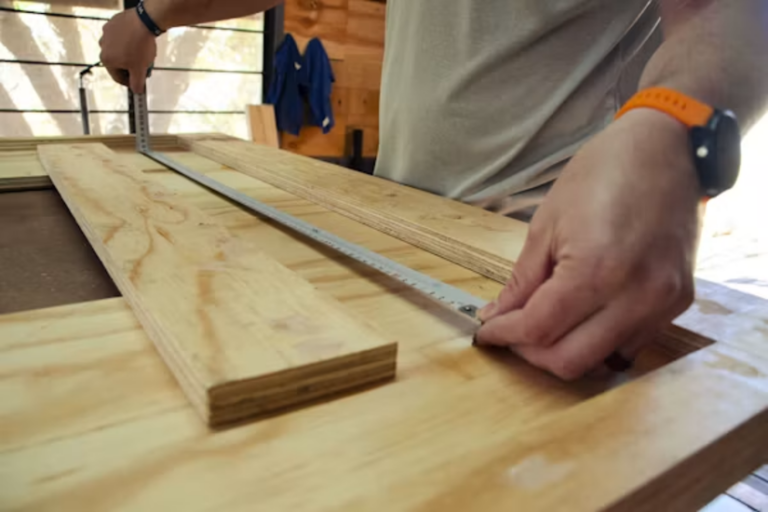
- Measuring the raw structure and calculating the theoretical finished depth is a mandatory first step before cutting any timber.
Navigating Wall Thickness Irregularities On Site
Existing properties rarely feature perfectly plumb walls or uniform plaster depths. Retrofitting frames into older UK properties requires advanced carpentry skills and a strategic approach to material selection.
Managing Tapered Or Uneven Walls
When a solid wall tapers or the plaster bellies out heavily in the center, the timber frame must be sized to accommodate the widest point of the anomaly.
- Architrave can be scribed carefully to follow a minor contour in the plaster, but the frame itself must remain perfectly plumb and square to ensure the door operates correctly on its hinges.
- If the timber is set flush with a recess, the architrave will kick out at an angle when applied.
- This creates an unsightly, tapered gap that site decorators will struggle to hide with decorators caulk.
Achieving A Plumb Installation
Professionals always set the frame up using an automatic laser level or a highly calibrated stabilizer spirit level.
- If the structural wall is severely out of plumb, the timber must be positioned perfectly vertically regardless.
- The resulting disparity between the timber face and the uneven plaster must be managed carefully with tapered timber packers, or by building out the low spots with bonding plaster before the architrave is finally applied.
Professional Packer Choices For A Plumb Installation
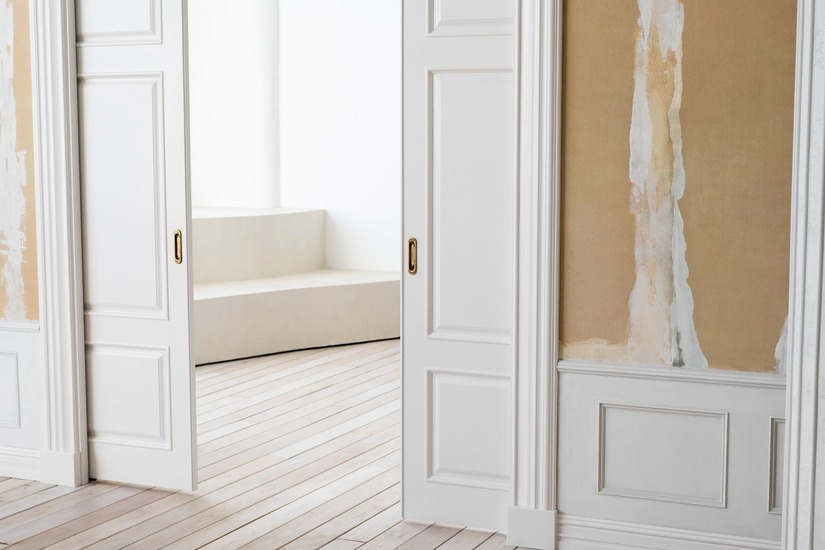
Securing the timber firmly within the rough structural opening requires solid packing to prevent any mechanical movement. The choice of packers is highly critical for both the structural integrity of the frame and absolute compliance with fire safety regulations.
Industry Standard Packing Materials
For standard internal domestic doors, colour-coded plastic shims are the recognized industry standard.
- They do not compress under the heavy weight of the frame.
- They do not rot if exposed to ambient moisture from wet plaster.
- They can be stacked accurately to fill exact voids behind the fixings.
- Purpose-cut structural timber wedges are acceptable for basic internal doors provided they are cut from a dense softwood or hardwood.
- These wedges must be installed in opposing pairs to create a completely flat bearing surface against the back of the jamb.
UK Building Regulations And Fire Safety Compliance
When installing fire doors, the rules regarding packing and installation change entirely. Approved Document B of the UK Building Regulations dictates highly strict standards for fire door assemblies to protect escape routes.
Fire Door Sealing Protocols
When fitting an FD30 or FD60 fire door, the hidden gap between the rough masonry opening and the back of the timber is a critical failure point.
- Deadly smoke and flames can easily bypass a heavy-duty fire door if the perimeter of the frame is not sealed correctly.
- Plastic packers melt rapidly during a fire, causing the frame to warp and the heavy door to fail instantly.
- Timber packers must be tightly fitted and mechanically fixed in place.
- More importantly, the remaining void between the timber and the masonry must be completely sealed according to strict testing data.
- Relying on standard pink fire-rated polyurethane foam is a massive compliance failure and is widely rejected by UK building control.
- Tradesmen must tightly pack the void with mineral wool and cap it with an intumescent acrylic mastic.
- Alternatively, installers must strictly utilize the exact proprietary fire foam mandated by the specific door manufacturer's global assessment data.
Regulated Timber Density Standards
Furthermore, the timber profiles themselves are heavily regulated in fire scenarios.
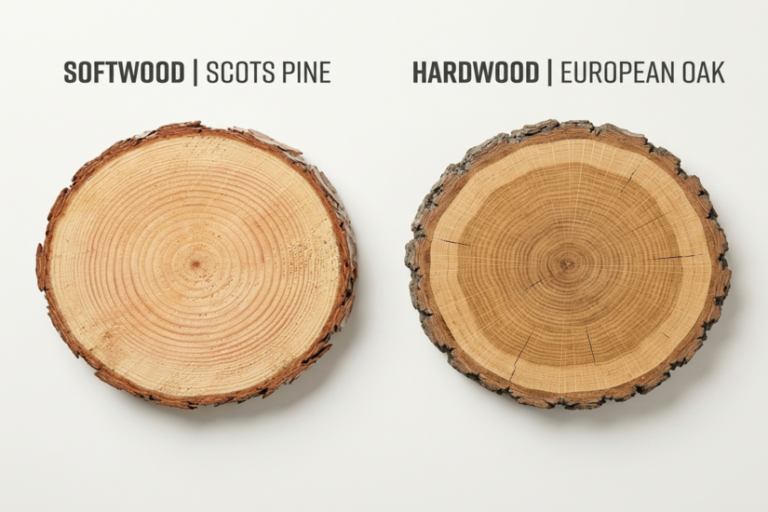
- Under British Standard BS 8214, softwood frames for standard FD30 doors typically require a minimum density of 510kg per cubic meter.
- Hardwood frames generally require a minimum density of 650kg per cubic meter.
- Attempting to hang a heavy fire door on a standard 22mm thick, low-density softwood frame is a direct violation of safety protocols and will unequivocally result in the installation failing building control inspection.
Custom Versus Off-The-Shelf Materials
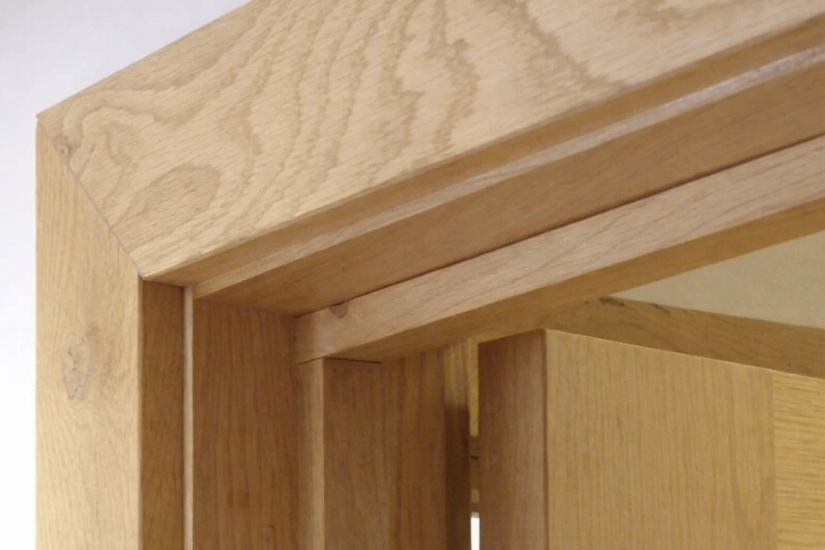
While local merchant yards stock standard dimensions, high-end residential projects and complex commercial builds frequently demand custom timber profiles.
Bespoke Timber Profiles
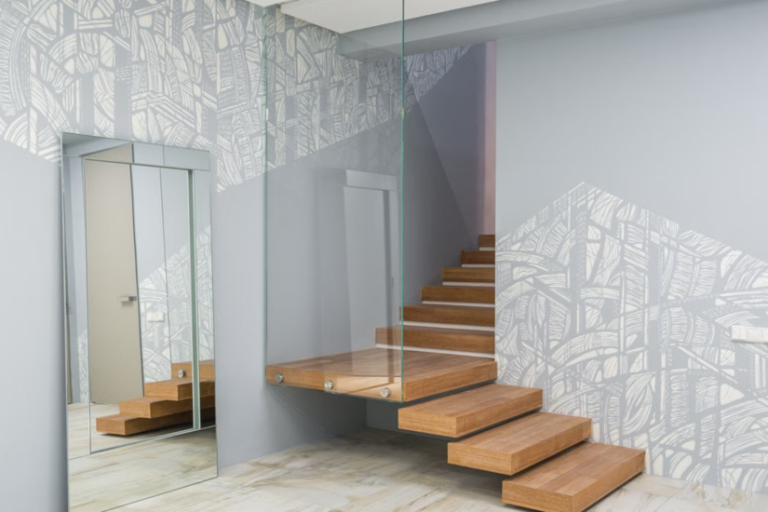
Standard softwood pine is acceptable for painted finishes, but premium builds often specify American White Oak, Ash, or solid Walnut.
- When ordering bespoke materials from a joinery shop, tradesmen must provide exact finished measurements rather than rough approximations.
- A custom frame must incorporate the specific rebate depth required for the chosen door thickness.
- Standard UK internal doors are typically 35mm thick, while metric or fire doors are 44mm or 54mm thick.
- The rebate must be precisely machined to accommodate the door flush with the face of the timber, plus a 2mm tolerance for paint or varnish build-up.
Planted Stops Versus Rebated Frames
Alternatively, using a flat frame with a planted stop allows for slightly more lateral adjustment on site.
- The stop can be pinned into position only after the door is perfectly hung and latched.
- Planted stops are generally preferred by seasoned site carpenters for this exact reason, offering a critical level of flexibility that rebated profiles simply do not possess.
Fixings, Clearances, And Structural Tolerances
Securing the timber requires specific heavy-duty hardware.
Securing The Timber Safely
Standard softwood pine is acceptable for painted finishes, but premium builds often specify American White Oak, Ash, or solid Walnut.
- For masonry walls, countersunk masonry frame screws driven directly through the timber and the packers into the brickwork provide the strongest mechanical hold.
- Pilot holes must be drilled perfectly straight to prevent the screw head from pulling the timber out of square.
- In stud walls, heavily gauged wood screws are strictly required.
- Fixings should always be strategically placed where the door stop will eventually cover them, ensuring a clean, unblemished finish for the decorators.
- Three fixings per jamb is the absolute minimum safety requirement.
- These are typically positioned near the top, middle, and bottom hinge locations to resist the heavy pulling force of a solid core door.
If you want to practise other training simulations, Tradefox covers the fundamentals in a way that is easy to follow.
Hanging Tolerances And Spreader Battens
Hanging a door perfectly requires incredibly precise clearances.
- The standard industry tolerance is a uniform 2mm to 3mm gap around the top and sides of the door leaf.
- If the frame is installed even slightly out of parallel, achieving this uniform gap becomes mathematically impossible.
- A frame that is wider at the bottom than the top will inevitably cause the door to bind on the floor covering or hit the jamb.
- Carpenters utilize specialized spreader battens temporarily fixed firmly across the width of the frame during installation.
- These battens ensure the exact required distance is maintained perfectly between the jambs from the floor to the header.
Mastering the selection and installation of structural timber separates professional carpenters from inexperienced amateurs. By accurately calculating finished wall depths, anticipating structural irregularities, and rigidly adhering to UK fire regulations, tradesmen can guarantee a flawless second fix. Precision at this structural stage ensures architraves fit perfectly, doors swing freely, and the completed build passes all necessary safety inspections without costly delays.