

Near Miss Reporting is one of the simplest ways to prevent future accidents on site. Near Miss Reporting captures early warnings before they become an event that results in injury, illness, or damage. It also helps fix problems that might otherwise stay hidden until somebody gets hurt. The Near Miss Reporting belongs in day to day safety management, not in a folder that never gets opened.
This guide explains what to record, how to remove blame, and how to prevent recurrence in line with UK legal expectations. This guide is written for tradesmen, supervisors, working foremen, and learners entering the trades. This guide is not for DIYers.
What Near Miss Reporting Means In Practical Terms
Near Miss Reporting means recording an unplanned event that did not result in harm, but had the potential to cause injury, ill health, or damage. Near Miss Reporting focuses on the gap between what should have happened and what actually happened.
A near miss is not limited to slips and trips. A near miss can happen in electrical work, gas work, mechanical maintenance, construction, lifting operations, and transport. A near miss is a warning sign that controls are missing, weak, or not being used as intended.
Examples that tradespeople recognise include the following.
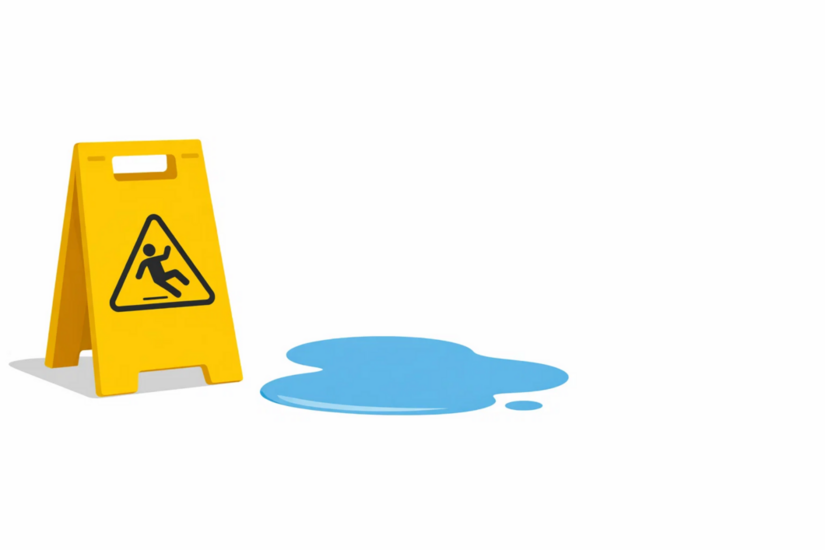
- An employee trips on a trailing cable but regains balance.
- A grinder is found with a missing guard before use.
- A tool falls from height but misses people below.
- A circuit is found live before contact is made.
- An isolation point is wrongly identified but corrected before work starts.
- A gas fitting is found loose during commissioning.
Each example has the potential to cause injury. Each example is an early warning worth recording.
Near Miss Reporting and UK Legal Duties
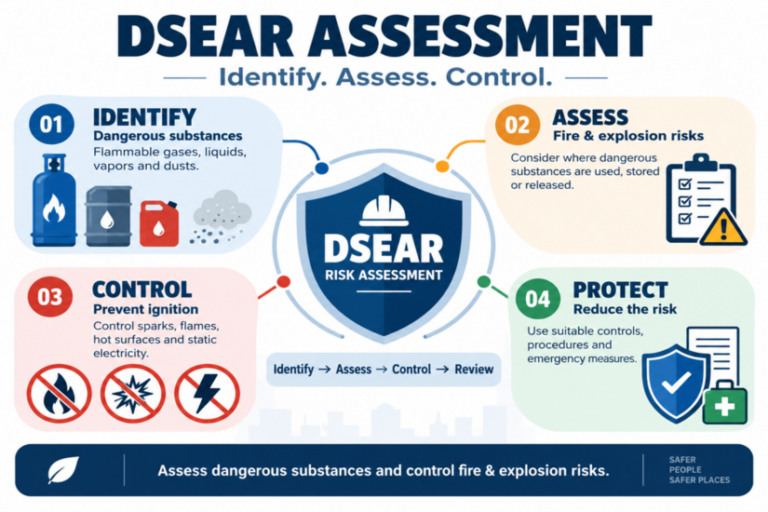
UK health and safety law is built around preventing danger, not just reacting after results in injury illness or damage. The Health And Safety At Work Etc. The 1974 Act sets general duties to protect employees and others from risks arising from work activities. The Management Of Health And Safety At Work Regulations 1999 require risk assessment and the effective planning, organisation, control, monitoring, and review of preventive measures.
Near Miss Reporting is not usually a standalone statutory reporting duty in the same way as RIDDOR reporting. Near Miss Reporting is still a practical way to demonstrate a proactive approach to managing health and safety. Near Miss Reporting supports proactive safety by showing hazards are being identified, controlled, and reviewed before harm occurs.
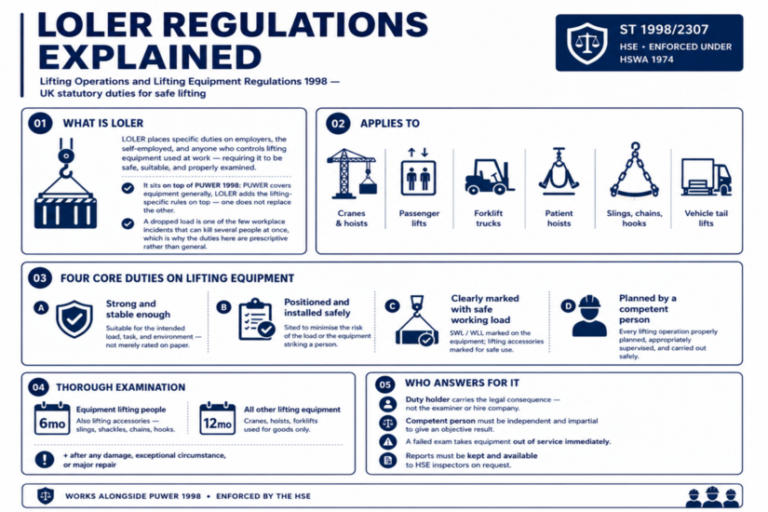
RIDDOR is separate and must be treated as separate. RIDDOR requires reporting of certain injuries, occupational diseases, and dangerous occurrences. Some near misses also meet the definition of a RIDDOR dangerous occurrence. Some near misses therefore carry a legal requirement to report to the enforcing authority.
Near Miss Reporting Versus Dangerous Occurrences
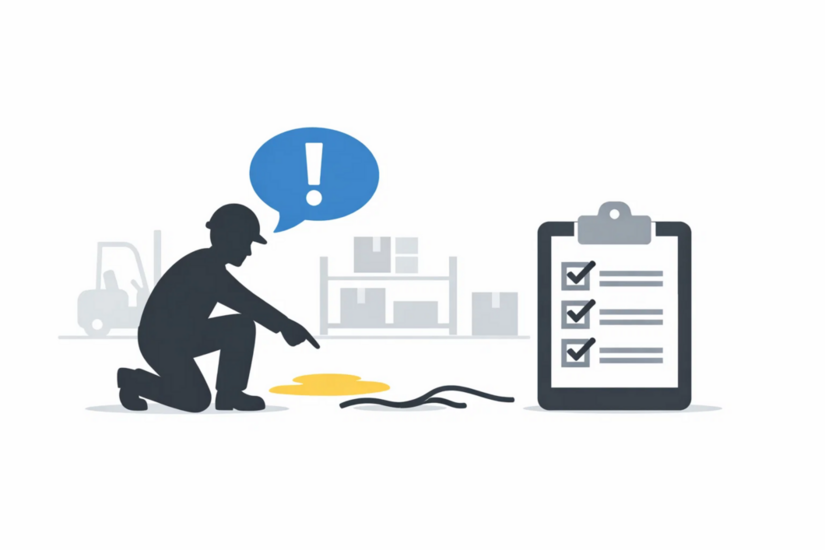
Dangerous Occurrences under RIDDOR are specified high potential events. Dangerous Occurrences often do not cause injury at the time. Dangerous Occurrences are still reportable because they have a serious potential to cause injury or ill health.
Near Miss Reporting should not be used as a reason to avoid RIDDOR reporting. Near Miss Reporting should include a simple check that asks whether the event might be a reportable dangerous occurrence.
A practical site rule can be stated clearly.
- A near miss gets recorded internally.
- A RIDDOR reportable event gets recorded internally and reported externally where required.
This approach protects workers and protects businesses.
What To Record In Near Miss Reporting
Near Miss Reporting should be factual, consistent, and easy to complete. A person making this report should record what happened, what could have happened, and what will stop it from happening again. Near Miss Reporting should avoid opinion, emotion, and blame.
A good reporting system records the following.
Date, Time, and Exact Location
Location should include the area, level, bay, plot, unit number, or plant reference. Location should also include the activity underway.
Task And Work Conditions
Task details should include who was doing what, what tools were in use, and what temporary controls were present. Work conditions should include lighting, weather if relevant, and congestion levels.
What Happened
A short description should explain the sequence. A short description should avoid assumptions about intent.
Immediate Hazard And Warning Sign
Hazard details should capture what created the potential to cause injury. Hazard details should capture the warning sign that was visible before the event if there was one.
Common trade examples include trailing cable hazards, blocked access routes, missing edge protection, damaged leads, incorrect isolation, missing signage, and poor housekeeping.
Potential Outcome
Potential outcomes should describe the realistic worst credible case. Potential outcomes should state how the event could result in harm, not how it might feel.
Examples include the following.
- Potential to cause injury from a fall at the same level.
- Potential to cause injury or ill health from electric shock.
- Potential to cause injury from falling objects.
- Potential to result in harm due to exposure or energy release.
Immediate Actions Taken
Immediate actions should confirm the area was made safe. Immediate actions should include isolations, barriers, and removal of defective equipment from service.
Underlying Causes
Underlying causes should look for why controls failed. Underlying causes should consider supervision, planning, competence, time pressure, design, and layout.
This section is where organisations fix problems instead of repeating them.
How To Remove Blame From Near Miss Reporting
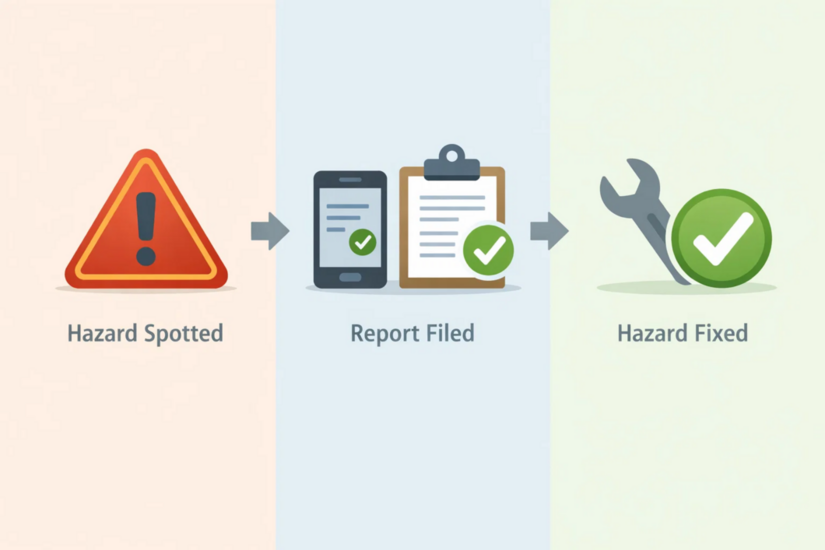
A blame culture kills reporting. A blame culture hides early warnings until there is an event that results in injury. A blame culture also encourages shortcuts and silence.
A blame free approach is not the same as ignoring reckless behaviour. A blame free approach means separating error from misconduct. A blame free approach means focusing on system weaknesses before focusing on individuals.
Practical steps that work on site include the following.
Use Neutral Language
Neutral language should describe actions and conditions. Neutral language should avoid personal labels and judgement.
Focus On Controls And Conditions
Controls and conditions should be reviewed before criticising the person involved. Controls and conditions usually explain why an employee trips, why a trailing cable is left across a walkway, or why isolation was unclear.
Protect The Reporter
Protection should be explicit. Protection should include clear rules about no retaliation and fair treatment.
Give Feedback Every Time
Feedback must show that reporting leads to change. Feedback should include what action was taken and when it will be completed.
How To Prevent Repeat Incidents And Prevent Recurrence
Near Miss Reporting only works when it drives corrective action. Near Miss Reporting should lead to controls that prevent future accidents, not repeat paperwork.
A simple prevention loop can be used on any site.
Step One: Identify Themes
Themes should be reviewed weekly or fortnightly. Themes should prioritise repeated hazards like trailing cable, poor housekeeping, missing barriers, and vehicle pedestrian interface problems.
Step Two: Assign Actions With Owners And Due Dates
Actions should have a named owner and a clear deadline. Actions should be realistic and measurable.
Step Three: Fix The Problem At Source
Source fixes usually beat reminders. Source fixes might include cable management routes, protection for leads, designated storage, improved lighting, or redesign of access routes.
Step Four: Verify Effectiveness
Verification should check whether the hazard has been removed. Verification should look for a reduction in similar near miss reporting entries.
Step Five: Share The Learning
Learning should be shared in toolbox talks and briefings. Learning should be grounded in real site events and not generic slogans.
Examples That Translate Into Strong Controls
Trailing cable near pedestrian routes is a common near miss. Trailing cables can lead to an employee trips scenario. Trailing cable controls can include overhead routing, cable mats, designated cable corridors, and housekeeping inspections.
Wrong isolation point identified is a common near miss in electrical and mechanical work. Wrong isolation controls can include improved labelling, permit systems, lock off standards, and verification steps that require proving dead.
Dropped objects are common near misses in construction and maintenance. Dropped object controls can include toe boards, tool lanyards where appropriate, exclusion zones, and storage discipline at height.
Building A Reporting System That Tradespeople Actually Use
A reporting system should be quick and accessible. This system should support both paper and digital options where needed. Furthermore, it should allow photos, simple tick boxes, and short free text.
A practical reporting system often includes the following.
- A one-page form with prompts.
- A QR code linking to a mobile form.
- A simple process for supervisors to close out actions.
- A weekly review routine that turns reports into fixes.
Near Miss Reporting rates often rise when the culture improves. It often falls when hazards are controlled at source. Moreover, data should be read with context, not used to punish teams. Use TradeFox to refresh core safety routines with guided simulations, then apply them on site so reports are clear, timely, and acted on.
Conclusion
Near Miss Reporting captures early warnings that have the potential to cause injury. It supports proactive safety and a proactive approach to managing health and safety. Additionally, it also helps prevent future accidents by turning warning signs into practical controls. Near Miss Reporting works best when reports are factual, blame free, and linked to action ownership and verification.