

Gas hob installation is common in UK kitchen work, but it is also a job where small planning errors can trigger rework. The bigger concern is safety. Poor gas work can lead to a gas leak, fire hazards, or carbon monoxide buildup.
In the UK, a gas hob is one of the gas appliances that must be connected and checked by a Gas Safe registered engineer. Your job as a learner is to plan the space, follow the installation requirements, and avoid the common mistakes that make the engineer refuse to connect it.
Fitting a Gas Hob: Installation, Safety, and Sign-Off
Fitting a gas hob has two parts. The hob is fitted into the worktop cut-out, then it is connected to the gas supply and tested. The joinery and set-out can be done as part of the kitchen fitting. The gas connection is installation gas work and must be completed and signed off by someone who is Gas Safe registered.
Because a gas hob produces heat and combustion products, clearance requirements and proper ventilation matter. If the hob is too close to cupboards or a low shelf, you can overheat surfaces and increase the risk of fire.
Legal Framework and Safety Obligations
The main legal basis for gas work in the UK is the Gas Safety (Installation and Use) Regulations 1998. These regulations make it a legal requirement that gas appliances, pipework and fittings are installed and maintained safely so they do not put people at risk of fire, explosion, gas leaks or carbon monoxide poisoning.
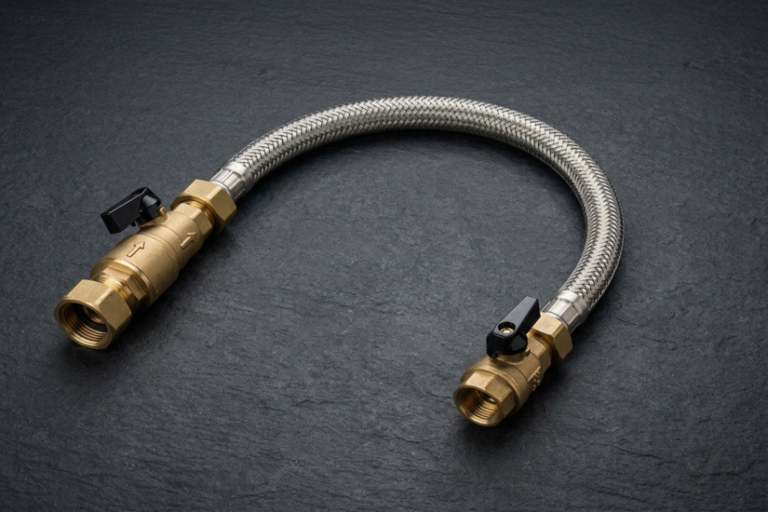
Under these regulations, no one should install a gas appliance unless it can be used without danger, must install an isolation shut-off valve at the inlet to the appliance, and must ensure that the appliance is safe before leaving it connected to the supply.
This means your gas hob installation must be done by someone who is competent and legally recognised to work on gas systems in the UK.
Who Is Allowed To Install A Gas Hob?
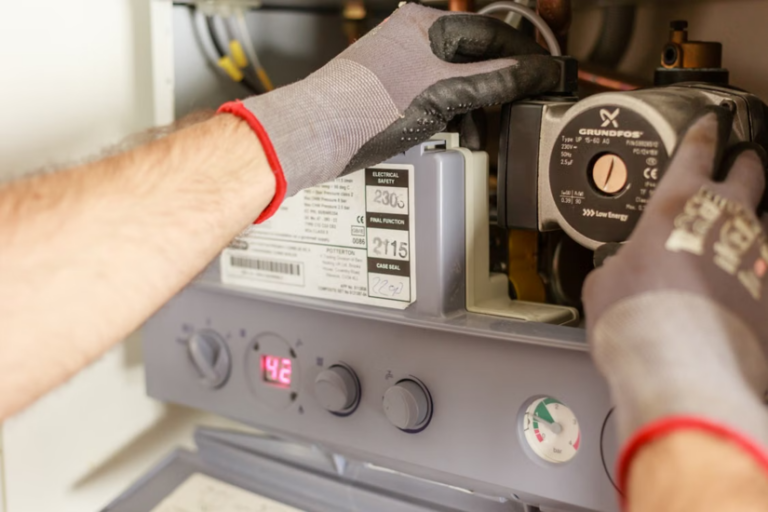
It is illegal and unsafe to install a gas hob yourself in the UK, even if you are experienced with other types of DIY. Only a Gas Safe registered engineer can carry out a compliant and legal gas hob installation. These engineers are trained and authorised to work with gas appliances and will issue documentation proving the installation has been done correctly.
Hiring a Gas Safe registered professional gas installer reduces the risk of gas leaks, fire hazards and issues with your home insurance or compliance with local building code requirements. They are familiar with both the regulatory framework and practical installation needs.
Key Safety Rules Before Installing A Hob
Most callbacks start with the layout. These simple checks prevent common gas problems.
- Follow the manufacturer instructions for cut-out size, fixing, sealing, and clearances.
- Plan access to the shut off valve (isolation valve). It must be reachable without removing fixed panels.
- Leave space for the gas line route and connection. Avoid tight voids and hot areas behind the hob.
- Allow for ignition electrics. Keep sockets and switches away from heat and steam, and avoid trapped cables.
These steps help reduce the risk of common gas issues and the need for rework later.
Minimum Clearances Above and Around The Hob

Clearances are one of the main reasons a job needs rework. Measure early and follow the appliance instructions. If the hood and hob give different figures, use the greater distance.
Vertical Clearance
A common minimum guide is 750 mm from the top of a gas hob to the underside of a cooker hood or shelf. This helps prevent heat damage and reduces fire hazards. If the manufacturer specifies more, follow that figure.
Side and Rear Clearance
Leave breathing space around the hob so heat does not bake nearby surfaces. A simple guide is at least 50 mm to walls or splashbacks. Many kitchen guides also quote 300 mm from the hob to side cabinets or end panels, unless the manufacturer allows less.
Sink, Electrical Outlets And Other Nearby Fixtures
Rules for gas hob installation also consider nearby fittings:
- The hob should be placed far enough from a sink so that water cannot easily splash onto the surface while cooking, typically at least 600 mm away.
- Electrical sockets and switches need to be located safely from the hob’s hot zone and gas line to avoid hazards from heat, steam, or moisture.
Following these guidelines helps prevent electrical issues and reduces fire hazards or the risk of damage.
Ventilation and Its Importance
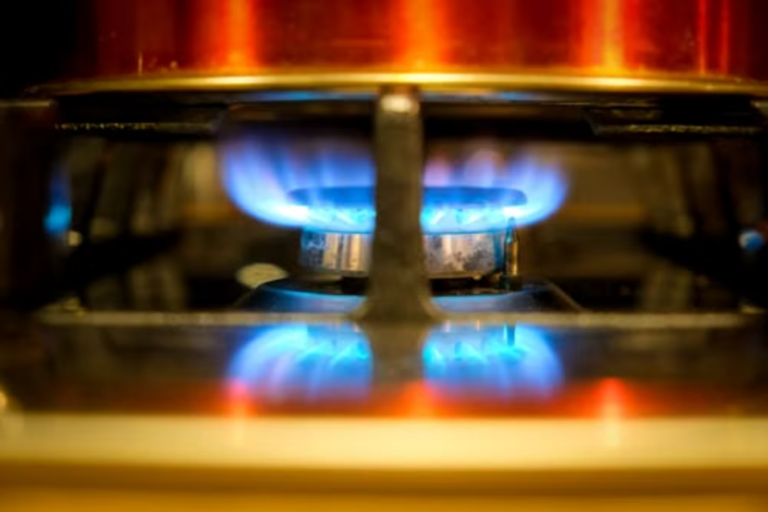
Proper ventilation is essential for safe gas hob installation. Ventilation allows fresh air into the room and helps dispersion of combustion gases created during cooking. Without it, there is a risk of carbon monoxide buildup, which is a dangerous and odourless gas.
A cooker hood, extractor fan or mechanical ventilation system with adequate capacity should be installed at least 750 mm above the hob surface. This helps disperse steam, combustion gases, cooking odours, heat and moisture to maintain a safe indoor environment.
Clear and effective ventilation is also part of wider home safety and building regulations, including Approved Document F for ventilation.
Common Mistakes That Lead To Rework
These mistakes to avoid come up again and again:
- Units or shelves fitted too low above the hob.
- A cooker hood planned at the wrong height, or without proper ventilation.
- Worktop cut-outs that are wrong, leaving gaps or weak support.
- A shut off valve hidden behind fixed panels.
The hob is fixed in place before the engineer confirms there is room for the connection.
Safety Checks After Installation

After the hob is fitted and connected, the Gas Safe registered engineer should test for leaks, check ignition and flame quality, and confirm the installation is safe. They should also confirm clearances and ventilation match the appliance instructions, and provide the customer with the right documentation.
Final Thoughts
Good gas hob installation is mostly set-out and planning. Keep to clearance requirements, allow proper ventilation, and keep the shut off valve and gas line access sensible. Leave the gas connection and testing to a professional gas engineer who is Gas Safe registered.
Do that and you will avoid common mistakes, reduce rework, and deliver a safer, compliant installation. For more practical tips and clear checklists to help you feel confident with every step of the process visit the guides and resources at Tradefox and read the rest of the blog to make sure you get it right with no guesswork.