


For electrical contractors managing new builds, extensions, or major renovations, construction phasing dictates the workflow of the entire site. The division of labour generally falls into two highly distinct categories. Understanding the detailed nuances of First Fix vs Second Fix Electrical is essential for maintaining site efficiency, adhering to the project schedule, and ensuring strict compliance with UK electrical regulations.
This guide breaks down exactly what happens during each phase, the updated regulatory requirements involved, and the safety protocols that professional electricians must follow.
The Fundamentals of Electrical Phasing
Before plasterboards go up or finished floors are laid, the internal infrastructure of a building must be installed. The electrical installation process is split into two halves to accommodate other trades, such as plasterers, plumbers, and carpenters.
The primary difference between the two stages comes down to access, structural alteration, and termination. The first stage involves all the hidden wiring and structural preparations. The second stage involves connecting the visible accessories and commissioning the system. A masterly execution of First Fix vs Second Fix Electrical ensures that the final installation is safe, compliant, and visually flawless, completely eliminating the need for destructive remedial work later down the line.
First Fix Electrical: Laying the Groundwork
The initial phase occurs when the building is at the shell stage. The structural framework is visible, stud walls are open, and floor joists are fully exposed. The objective here is to install the backbone of the electrical system without making any live connections.
Preparation and Marking Out
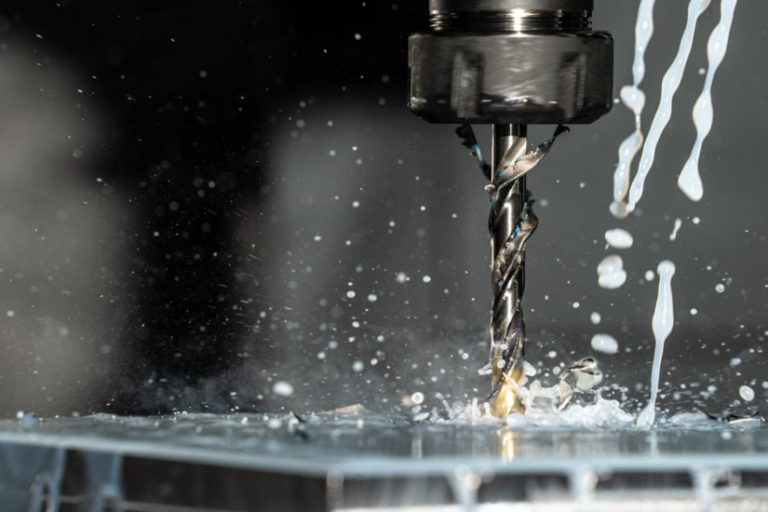
Electricians work directly from the architect or lighting designer drawings to mark the exact locations for sockets, switches, lighting points, and the consumer unit. For solid masonry walls, contractors use a wall chaser and an SDS drill with a chasing bit to create precise channels for cables and deep recesses for metal back boxes.
Routing Cables Through Joists and Studs
Routing cables is one of the most labour-intensive parts of the job. Cables, typically Twin and Earth for domestic circuits, are pulled from the consumer unit location to the respective back boxes and ceiling roses.
When routing cables through timber joists, electricians must strictly adhere to Building Regulations Approved Document A. Holes must be drilled exclusively on the neutral axis of the timber. Furthermore, these holes must only be located within the permitted zone of 0.25 to 0.4 times the span of the joist from the support. This regulation guarantees the structural integrity of the floor is never compromised by the electrical installation.
Safe Zones and Wall Chases
Safety and compliance during the initial wiring are highly regulated. According to the 18th Edition of the IET Wiring Regulations (BS 7671), all concealed cables must be installed in designated safe zones. These zones run vertically and horizontally from any visible electrical accessory, as well as within 150mm of the top of the wall or the internal corner of a room.
If a cable is buried in a wall at a depth of less than 50mm and is not mechanically protected by earthed metallic conduit, it must be protected by a 30mA Residual Current Device (RCD). Cables chased into walls are usually secured with plastic capping or oval PVC conduit. While capping does not provide mechanical protection against a drilled screw, it successfully protects the cable insulation from the trowel during the wet plastering process.
The Transition: Managing the Plastering Phase
Once the cables are run and the back boxes are secured, the electrical contractor leaves the site. This allows the plasterer to board the ceilings and skim the walls. Electricians leave the cables safely coiled within the back boxes or dangling clearly from ceiling points.
Communication between trades is highly important during this transition. Plasterers burying back boxes or cutting cables too short is a frequent issue on busy sites. Professional electricians take detailed photographs of their cable runs before the boarding begins. This provides a reliable reference point if cables need to be located later using a stud detector or if an accessory is accidentally plastered over.
Second Fix Electrical: Termination and Commissioning

The latter phase commences once the plaster is entirely dry, the building is watertight, and the heavy dust levels have subsided. The structural work is finished, and the objective now is to terminate all connections, fit the final accessories, and energise the system.
Safe Isolation Procedures
Before any termination begins, particularly at the consumer unit, strict Safe Isolation procedures must be followed. Electricians must lock off the supply if a temporary site supply is active. They must then verify the circuit is completely dead using an approved voltage indicator and a proving unit. Working dead is the golden rule of electrical safety and is legally required under the Electricity at Work Regulations 1989.
Accessory Installation
Electricians begin the physical work by cleaning out the back boxes, removing any stray plaster, and ensuring all cables are free from damage. Protective green and yellow sleeving is applied to all bare earth wires.
Faceplates for sockets, light switches, dimmer modules, and data points are then wired and screwed into place. Installers take great care to ensure all faceplates are perfectly level and securely tightened to the wall surface. For ceiling lights, the electrician will carefully cut holes in the plasterboard using a hole saw, retrieve the initial wiring, and connect the light engines.
Consumer Unit Terminations
Terminating the distribution board is a highly critical task requiring absolute precision. The electrician strips the outer sheathing of the main incoming tails and all circuit cables. These are terminated into the appropriate breakers, such as MCBs or RCBOs.
Modern installations must also comply with recent updates. Installers now regularly integrate Surge Protection Devices (SPDs) and Arc Fault Detection Devices (AFDDs) where required by BS 7671 Amendment 2. All connections within the consumer unit must be tightened to the specific torque settings provided by the manufacturer. Regulation 134.1.1 mandates this practice to prevent loose connections, arcing, and subsequent thermal damage.
Inspection, Testing, and Certification

The most vital element of the entire project is the final testing phase. Before the installation is handed over to the client, it must be rigorously tested to prove it complies with all safety standards.
Part P and Final Certification
Domestic electrical work falls under Part P of the Building Regulations. This legislation requires notification to local building control for major works like new circuits or consumer unit replacements. This notification is usually completed via a competent person scheme. Upon successful completion of all physical tests, the electrician generates an Electrical Installation Certificate. This legal document verifies that the design, construction, inspection, and testing meet current UK safety standards.
Comparing the Two Phases
To consolidate the comparison of First Fix vs Second Fix Electrical, the practical distinction is very clear. The early stage is entirely about infrastructure, structural preparation, and strategic cable management. It requires heavy power tools, creates significant dust, and focuses heavily on correct routing and safe zones.
The later stage is about precision, termination, testing, and aesthetics. It requires a clean working environment, fine hand tools, and a deep, practiced understanding of electrical testing procedures.
For anyone learning the trade, this difference is important to understand early. TradeFox helps learners build confidence in electrical work through guided, step-by-step training that makes it easier to grasp both the practical groundwork of first fix and the careful finishing standards required during second fix.
Conclusion
Mastering the complete workflow of First Fix vs Second Fix Electrical is fundamental to any successful construction or renovation project. By understanding the distinct roles, updated regulations, and stringent safety protocols required at each stage, electrical contractors ensure a seamless and highly professional installation process. Adherence to BS 7671, meticulous structural drilling, and comprehensive final testing are absolute legal requirements designed to protect both lives and property.