

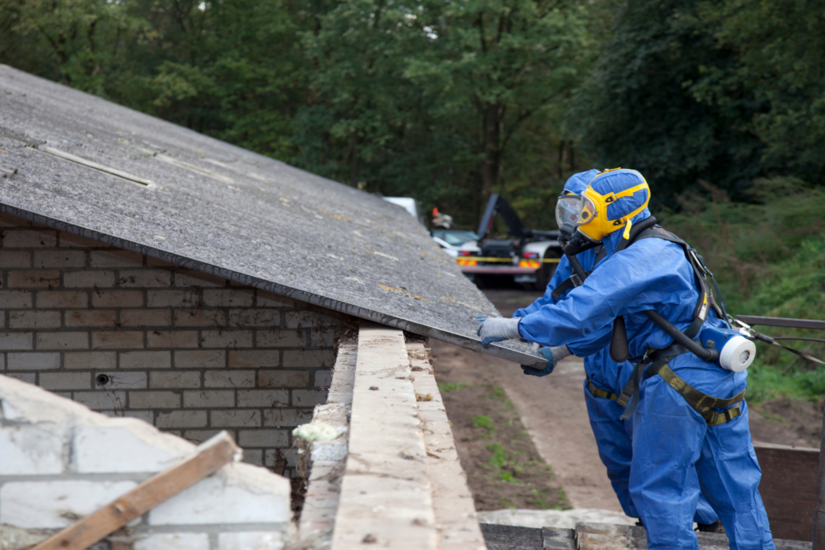
If you work the trades in the UK, asbestos is not a problem that belongs to a previous generation. It is still in millions of buildings, and it still kills. The HSE estimates that asbestos kills around 20 tradespeople every week in this country, from exposure that often happened decades earlier. The gap between first breathing in fibres and developing disease can run anywhere from 15 to 60 years. The person who drills into the wrong ceiling tile today might not feel a thing for thirty years.
That is exactly why understanding the survey on a job, and knowing how to read it, is part of doing the work properly. This guide breaks down the two main survey types you will run into, how they differ, and the exact things you should check before you put a tool to any surface.
It is written for tradesmen and people training into the trades, not for DIY householders. The stakes are too high for guesswork.
Why Asbestos Surveys Exist
Asbestos was banned outright in the UK in 1999. The rule of thumb on site is simple: any building built or refurbished before the year 2000 may contain asbestos-containing materials (ACMs), and you should treat it that way until proven otherwise.
The legal backbone here is the Control of Asbestos Regulations 2012 (CAR 2012). Regulation 4, the “duty to manage,” requires the dutyholder of non-domestic premises to find out whether asbestos is present, assess its condition and risk, and put a plan in place to manage it. The dutyholder is usually the building owner, landlord, managing agent, or whoever holds the maintenance obligation under the lease.
Worth knowing: Regulation 4 also says everyone on site must cooperate with the dutyholder so they can meet that duty. That includes you.
The HSE guidance that governs how surveys are carried out is HSG264, “Asbestos: The survey guide.” It sets out the survey types, who is competent to do them, and what a proper report should contain. When a surveyor talks about a “management survey” or a “refurb and demo survey,” HSG264 is where those definitions come from.
One point that trips people up: the duty to manage is not a duty to remove. Asbestos in good condition, left undisturbed, is often safer managed in place than ripped out. The danger is disturbance, and disturbance is your business as a tradesman.
The Two Main Survey Types
HSG264 describes two broad categories. The old “Type 1, 2, and 3” labels are long gone, so if you see them on a dusty old report, treat that report with suspicion because it predates the current guidance.
Management Survey
The management survey is the standard, default asbestos survey for a building in normal use and occupation. Its job is to locate, as far as reasonably practicable, the ACMs that could be disturbed or damaged during everyday occupancy and routine maintenance.
It involves a visual inspection and usually some minor intrusive work, with samples taken and sent for lab analysis. The key word is minor. A management survey does not tear the building apart. It looks at what is reasonably accessible and assesses the condition of what it finds.
According to HSE, a management survey should cover:
- All rooms, corridors, stairs, basements, cellars and undercrofts
- Above false ceilings (ceiling voids), under floor coverings, lofts, risers, service ducts and lift shafts
- External areas including roofs, soffits, gutters and windows
The output feeds the asbestos register and the management plan, which the dutyholder must keep up to date and make available to anyone working in the building.
Here is the critical limitation for tradesmen: a management survey is not sufficient cover for refurbishment or demolition work. It is scoped around normal occupation, not around someone opening up walls, floor voids and ceiling spaces. Relying on a management survey for refurb work is one of the most common reasons the HSE ends up prosecuting people.
Refurbishment and Demolition Survey
This survey is required before any major refurbishment or demolition, or any work that disturbs the fabric of the building. Its purpose is to locate and identify all ACMs in the area where the work will happen, or across the whole building where demolition is planned.
The difference in intensity is significant:
- It is fully intrusive and destructive. The surveyor opens up ceilings, lifts floors, goes into cavity walls, floor voids and lofts.
- The area being surveyed must be vacated, because the survey itself disturbs asbestos.
- After the survey, the area must be certified fit for reoccupation before anyone uses it again.
There is a legal requirement under CAR 2012 to remove all ACMs, so far as reasonably practicable, before major refurbishment or demolition begins. This survey is what makes that removal possible, because it finds the hidden material before the work starts.
Because this survey type is so disruptive, it should be carried out in unoccupied areas wherever possible, and the scope is built around the specification of the actual job. If your works change, the survey scope may no longer match what you are doing, and that is a problem worth flagging.
One thing every worker should hold onto: even a full refurbishment and demolition survey is not a cast-iron guarantee. HSE openly acknowledges that, even with complete-access demolition surveys, some ACMs only come to light once the work is underway. A clean survey is not a reason to switch your brain off.
Management vs Refurbishment: The Short Version
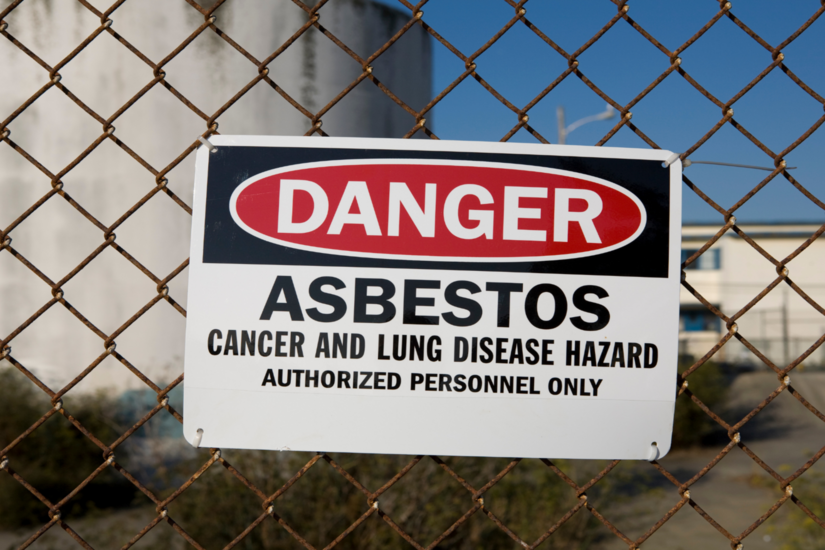
The simplest way to hold the distinction in your head:
- Management survey: building in use, routine work, minor intrusion, manages asbestos in place. Not valid cover for breaking into the structure.
- Refurbishment and demolition survey: before structural work or demolition, fully intrusive, destructive where needed, finds asbestos so it can be removed before you start.
If you are about to disturb the fabric of a pre-2000 building and the only paperwork on site is a management survey, that is a stop-and-question moment, not a crack-on moment.
What This Looks Like When It Goes Wrong
This is not theoretical. In a 2026 HSE prosecution, a demolition contractor pressed ahead with work on the basis of a management survey alone, despite it flagging asbestos in the building. A later refurbishment and demolition survey found 218 square metres of asbestos-containing material and debris on the site. The clear-up was then handed to people who held neither the licence nor the competence to work with asbestos. The result was court, a suspended prison sentence and a director disqualification.
The lesson is blunt. A management survey is not a green light for refurb or demolition, and asbestos work belongs with properly trained, and often HSE-licensed, contractors.
What Workers Should Check Before Starting
This is the part that protects you personally. A survey only does its job if the person about to disturb a surface actually reads it. Before you start work on any pre-2000 building, run through the following.
Confirm A Survey Exists And Is The Right Type.
Ask for the asbestos register and the relevant survey. The dutyholder has a legal duty to provide this information before you start work on the fabric of the building. If you are doing refurb or demolition work, a management survey alone does not cover you.
Check The Scope And The Date.
Read what the survey actually covered. Surveys carry caveats and “no access” areas, the spots the surveyor could not reach. Any area not accessed must be presumed to contain asbestos until proven otherwise. If your work is in a “no access” zone, the survey has not cleared it.
Check Who Carried It Out.
Under HSG264, surveys should be done by competent people. Look for UKAS accreditation to ISO 17020 for survey organisations, ABICS accreditation for individual surveyors, and the BOHS P402 qualification. Verifying this is the dutyholder’s responsibility, but knowing what good looks like helps you judge whether the paperwork in front of you is worth trusting.
Match The Survey To Your Actual Scope Of Works.
Surveys are scoped to a planned job. If the job has grown, moved, or changed since the survey, the document may no longer cover what you are about to do.
Know What To Do If You Find Suspect Material That Is Not On The Register.
Stop work in that area immediately. Do not drill, cut, sand or sweep it. Report it to your supervisor and the dutyholder so the area can be sealed off and the material sampled by someone qualified.
Make Sure Your Training Is Current
Asbestos awareness training is mandatory under Regulation 10 for anyone whose work could expose them to asbestos. But awareness training is not a licence to work on asbestos. If the job involves actually disturbing or removing ACMs, that needs the correct level of training, and certain work needs a licensed HSE contractor. Awareness training teaches you to recognise and avoid asbestos, not to remove it.
Building safe working habits starts with understanding the risks before work begins. TradeFox provides interactive trade training that helps learners build practical knowledge and confidence through guided simulations across a range of core construction skills.
The Bottom Line for Tradesmen
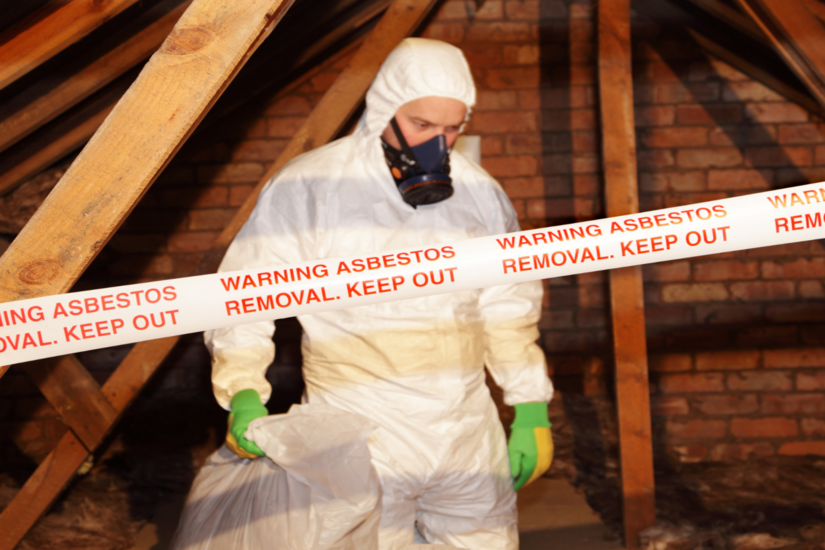
The survey on a job is not box-ticking paperwork. It is the difference between a controlled day’s work and accidentally releasing fibres that sit in your lungs for thirty years.
Know which survey type the job needs, read it before you start, and never let a management survey stand in for a refurbishment and demolition survey when you are about to open up the structure. If something does not add up, the register is missing, the survey is old, or you have hit material nobody mentioned, stop and ask.
The fibres do not care how tight the deadline is.