

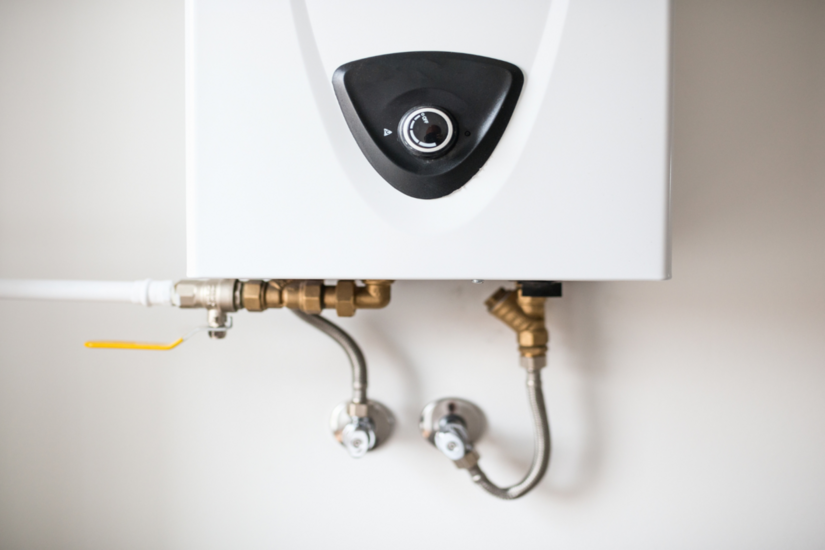
Boiler flow temperature is the temperature of the water leaving the boiler and circulating to the radiators or underfloor circuits. Under Approved Document L, the current design figure to work to is 55°C, and on most domestic condensing boilers the dial can be adjusted from typically 40°C up to 80°C. Where it sits decides three things at once: how efficiently the boiler runs, how warm the property gets, and whether the appliance condenses at all.
Getting it right is one of the cheapest efficiency gains available on an existing system. Get it wrong and you leave a property cold and a customer unhappy. This guide sets out the science, the UK boiler regulations that apply, and the situations where a lower setting stops being a benefit.
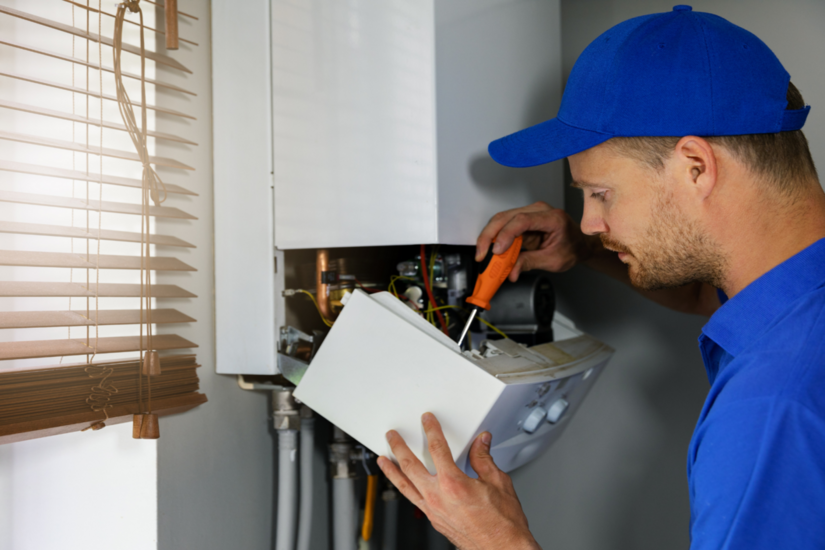
It is written for installers, engineers, and those training towards the trade. It is not a DIY guide. Any work on a gas appliance, its controls, or its combustion settings sits with a Gas Safe registered engineer.
What Is Boiler Flow Temperature?
It is the target temperature the boiler heats the primary circuit to before the water flows out to the heat emitters. The water gives up heat to the rooms and returns cooler. The gap between the two is the system differential, usually designed around 20°C.
So a system set to a 70°C flow returns at roughly 50°C. That sits just above the condensing threshold, which is exactly why a 70°C flow barely condenses, and it shows why the setting itself, not just the appliance, drives the result.
Two things are worth fixing in your mind from the start:
- The heating flow temperature and the hot water temperature are separate settings. On a combi they are controlled independently and serve different jobs.
- Hot water has its own safety rules driven by Legionella control. Those rules override any efficiency adjustment, and we cover the numbers below.
How Flow Temperature Affects Condensing Efficiency
A condensing boiler only hits its headline efficiency when the return water is cool enough for the flue gases to condense. For natural gas that threshold is around 55°C. Below it, the water vapour in the combustion gases condenses on the heat exchanger and releases its latent heat back into the system. That recovered heat is the whole point of a condensing boiler.
The relationship is straightforward:
- Return below ~54°C: the boiler condenses and runs at its best.
- Return above ~55°C: condensing largely stops, and a modern boiler behaves much like an old non-condensing one regardless of its rating plate.
- The lower the return, the better. Efficiency keeps improving as the return drops further below the dew point.
This is why a low setting matters so much. The number you set, not just the choice of appliance, decides whether the customer gets the efficiency they paid for.
What Is the Best Boiler Flow Temperature Setting?
For most existing systems with conventional radiators, aim for 55°C, and only go higher if the emitters genuinely cannot deliver enough heat at that level. The 55°C figure is not arbitrary. It keeps the return below the condensing threshold across most of the heating season, and it is the design temperature now written into Approved Document L.
There is a trade-off to explain to the customer. A lower setting is more efficient, but it lowers the mean radiator temperature, so each radiator gives out less heat. If the emitters were sized for an old 70°C or 80°C system, dropping too far means they cannot meet the room heat loss on the coldest days.
So the rule is not “set it as low as possible.” It is “set it as low as the emitters and the building fabric allow, while still holding the design temperature on a cold day.” A pragmatic working ceiling for awkward retrofits is around 60°C, but 55°C is the target.
What UK Regulations Apply to Flow Temperature?
Two pieces of regulation matter here, and both sit under Part L of the Building Regulations in England. Wales and Northern Ireland have their own arrangements, and Scotland works to Section 6 of the Building Standards, so always check the rules for the nation you are working in.
Approved Document L (2022): the 55°C Rule
This is the regulation most directly tied to flow temperature, and it is the one engineers most often miss. Since 15 June 2022, where a wet heating system is newly installed or fully replaced in an existing dwelling, including the appliance, emitters, and associated pipework, it must be designed to meet the heating needs of the dwelling at a maximum flow temperature of 55°C or lower. If that is not possible, it should be designed to the lowest flow temperature that still meets those needs.
A few points for the trade:
- The 55°C figure is about how the system is sized, covering emitters and pipework, not just a number on the boiler dial.
- Heat loss must now be calculated for every room, not just for the dwelling as a whole.
- For a straight boiler swap with no system replacement, this sizing duty does not bite. There are also situations where boilers still need a higher flow temperature. Even so, aiming for the lowest workable setting at commissioning is sound best practice.
Boiler Plus (2018): Efficiency and Controls
Boiler Plus still applies to new and replacement installations in existing dwellings in England. Its main requirements are:
- A minimum 92% ErP efficiency for the boiler.
- Time and temperature control, with a working boiler interlock so the boiler is not firing against a system that is already satisfied.
- For combis, one additional energy efficiency measure: flue gas heat recovery, weather compensation, load compensation, or smart controls.
Weather compensation is worth singling out, because it is effectively automatic management of the flow temperature. It reads the outside air and holds the flow as low as conditions allow, which is exactly what you are trying to achieve by hand.
One caution to pass to customers: ErP efficiency is calculated differently from the older SEDBUK figure, so the two are not interchangeable when you are comparing appliances.
Hot Water Safety: The Numbers You Cannot Lower
This is where efficiency and safety part company. You can chase a low setting on the heating side, but you must not drag stored hot water down with it. Per HSE guidance for controlling Legionella by temperature:
- Store hot water at 60°C or higher in the cylinder or calorifier.
- Distribute hot water at 50°C or higher.
- Keep cold water below 20°C.
Because storing at 60°C creates a real scald risk, thermostatic mixing valves should be fitted as close as possible to outlets where a scald risk is identified. Store hot, deliver safe.
A note on scope: these temperature duties bite hardest in commercial, rented, and landlord settings under the L8 Approved Code of Practice and HSG274. Domestic owner-occupied risk is lower, but storing at 60°C with TMV protection at outlets is the safe default to design to.
When Lowering Boiler Flow Temperature Creates Problems
Reducing the boiler flow temperature is a genuine efficiency measure, but it has limits. These are the situations where a reduction causes more trouble than it solves.
Undersized Emitters and High Heat Loss
In a poorly insulated property, or one where radiators were sized for a high flow temperature, cutting too far leaves rooms unable to reach setpoint on cold days. Radiator output drops roughly in line with the reduced mean water temperature, so a building that was marginal at 70°C may never get warm at 45°C. The fix here is larger radiators or better fabric, not just turning the dial down.
Hot Water and Legionella Risk
Never confuse the heating setting with stored hot water control. The 60°C storage and 50°C distribution figures above take priority over efficiency. If a low setting would compromise safe hot water, the hot water rules win.
Combi Hot Water Performance
On a combi, the hot water setting affects how fast water reaches the tap and how the appliance modulates. Reducing settings to improve heating efficiency should not be allowed to leave the customer with weak or inadequate hot water.
Condensate and Cold Weather
A lower flow temperature means more time spent condensing, which means more condensate. That condensate must discharge safely. A condensate pipe run externally is at risk of freezing in cold weather, so any change that increases condensing time should prompt a check that the route is protected and, ideally, led to an internal drain.
If you want to better understand boiler settings, heating performance, and common system problems before working on live jobs, TradeFox offers guided training simulations that help you build practical skills safely and at your own pace.
Commissioning Notes for the Trade
Work from the property’s heat loss and emitter sizing, not from a number off the internet:
- Set the flow temperature as low as the emitters allow while still meeting setpoint on a design-cold day.
- Confirm the return sits below the condensing threshold.
- Check the controls give a proper boiler interlock so the boiler is not firing against a satisfied system, and watch for short cycling, which often points to oversizing or poor modulation rather than the interlock itself.
- Clean, flush, and add inhibitor in line with BS 7593, and consider a biocide where the mean water temperature runs low, as low-temperature systems can favour microbial growth.
- Record what you set and hand the customer clear control information.
Where the customer wants efficiency but the emitters cannot deliver at a low setting, document that larger emitters or fabric upgrades are the route, and note what was set at handover.
The Takeaway
Boiler flow temperature is one of the most cost-effective efficiency levers on any existing system, but only when it is set against the building’s heat loss and emitter capacity. Treat efficiency, comfort, and hot water safety as three separate decisions. Anchor your design to the 55°C Part L figure, never lower stored hot water below the HSE numbers, keep every adjustment within the gas safety regime, and record what you set. Done properly, the customer gets the efficiency the appliance was built to deliver without ever being left cold on the worst day of the year.
If you are training towards the trade or refreshing your knowledge, pair this with your heat loss calculation method and your manufacturer’s commissioning instructions before you touch a dial.