


Run your hand across an older painted render, a tired cladding panel, or a weathered timber fascia, and you may come away with a fine, dusty residue on your palm. That residue is the visible sign of a coating breaking down, and for anyone working in the decorating, coatings, or building maintenance trades, understanding it is the difference between a repaint that lasts and a callback within eighteen months.
This guide breaks down what the problem is, why it happens, how to assess it on site, and how to deal with it correctly before recoating. It is written for tradesmen and those training toward the trade, so it assumes you will be handling substrates, solvents, and access equipment as part of your working day.
What Paint Chalking Actually Is
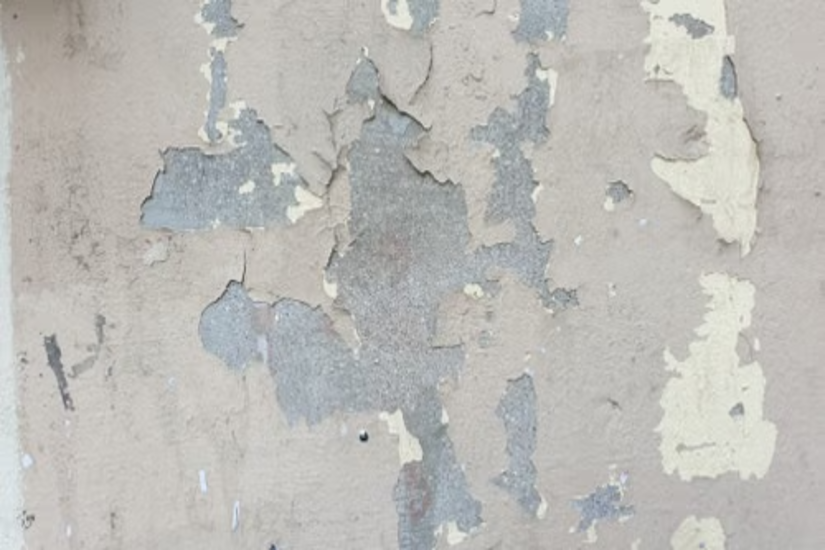
Paint chalking is the formation of a loosely adherent, powdery film on the surface of a cured coating. It develops as the binder, the resin that holds pigment and film together, degrades under environmental exposure and leaves unbound pigment particles sitting loose on the surface.
In plain terms: the glue that holds the paint together breaks down at the very top layer, and the colour particles it was holding are left stranded as a chalky dust.
A degree of surface powdering is normal on exterior coatings over time. It is one of the ways a paint film ages. The problem for the trade is that it compromises adhesion, alters colour, and signals that the coating is nearing the end of its serviceable life. Recoat over it without addressing it, and the new coat is effectively bonding to dust rather than to a sound surface.
Why Painted Surfaces Develop a Powdery Film
Several mechanisms drive the process, and usually more than one is at play.
UV degradation of the binder:
The primary cause is ultraviolet (UV) radiation from sunlight. UV energy attacks the polymer chains in the resin binder through a process called photo-oxidation, which is simply the breakdown of the resin under combined light and oxygen. As the binder erodes at the surface, pigment is released. This is why south and west-facing elevations powder faster than sheltered north-facing ones, and why it is so common on exterior masonry paints, older alkyds, and industrial coatings.
Pigment type and formulation:
Certain pigments accelerate the reaction. Anatase titanium dioxide, an older whitening pigment, is photochemically active and speeds up binder breakdown. This is why cheaper or dated white and pastel coatings degrade aggressively. Quality modern paints use rutile titanium dioxide, which is far more stable and heavily surface-treated to resist this reaction.
Moisture and weathering:
Rain, condensation, and humidity work alongside UV. Once the binder starts breaking down, water washes loose pigment away and exposes fresh film beneath, keeping the cycle going. In UK conditions, wind-driven rain on exposed elevations is a significant accelerant.
Poor application or unsuitable product:
Under-application, over-thinning, applying in poor weather, or specifying an interior-grade product for an exterior job will all bring the problem on early. Getting the specification right is a core competence, not an afterthought.
Where You Will See It Most
The powdery film shows up predictably. Watch for it on:
- Masonry and render: exterior walls, especially older textured coatings.
- Metal cladding: powder-coated and liquid-coated panels on commercial and industrial units.
- Exposed timber: fascias, soffits, and cladding on weather-facing elevations.
- Low-cost or dated finishes: surfaces previously painted with budget or older products.
How to Test for Paint Chalking on Site
Before you quote or specify a recoat, assess the severity. Three practical checks cover most situations.
The finger or cloth test:
Rub a dark cloth or your fingertips firmly across the surface. Light residue indicates minor degradation, while a heavy, obvious coating of pigment points to advanced breakdown. It is quick and tells you whether you are dealing with a surface issue or a coating at the end of its life.
The tape test:
Press a strip of clear adhesive tape onto the surface, lift it, and place it against a contrasting card. The density of pigment transferred gives you a rough grading of severity.
Grading to the standard:
For formal assessment on commercial or public sector work, the recognised method is BS EN ISO 4628-6, which rates the degree of chalking against pictorial reference standards on a scale from 0 to 5. There is a companion Part 7 for rough exterior surfaces such as render and masonry. One important caution built into the standard: take care to distinguish genuine chalk from adhering surface dirt, because grime on a weathered elevation can be mistaken for coating failure and lead to an unnecessary condemnation. If you are working to a specification, expect the chalk rating to be called out explicitly, and record your findings.
Preparing a Chalking Surface for Recoating
This is where the money is made or lost. New coatings will not bond to a dusty, degraded layer, so preparation is not negotiable.
- Clean thoroughly: remove all loose material by washing down. On masonry, a low-pressure wash with a suitable detergent, followed by a clean rinse, is standard. Allow the surface to dry fully.
- Abrade where needed: on metal and timber, mechanical abrasion removes the degraded layer and provides a key. Follow the coating manufacturer's technical data sheet for the correct grade, and see the safety section below before dry sanding anything old.
- Confirm a sound base: after cleaning, repeat the finger test. If pigment still comes away heavily, keep preparing until you reach stable coating.
- Stabilise if specified: for heavily degraded masonry, a purpose-made stabilising solution or masonry sealer binds residual powder and gives the topcoat something to grip. Do not skip this on friable surfaces.
- Recoat with the right product: specify a coating with good chalk resistance and UV stability for the exposure. Cutting corners on product here simply resets the clock on the same problem.
Health, Safety, and UK Compliance
Preparing chalked and weathered coatings brings real duties under UK legislation. This is not box-ticking.
Lead paint:
Any coating pre-dating 1992 may contain lead. Lead-based paint was banned from general public sale in the UK in 1992 under the Environmental Protection (Controls on Injurious Substances) Regulations 1992, with narrow exemptions for historic building restoration. Do not assume a 1970s or 1980s surface is safe. If in doubt, test before you disturb.
Under the Control of Lead at Work Regulations 2002 (CLAW), the duty is to prevent exposure where reasonably practicable, and only to control it where prevention is not. Dry sanding or abrasive removal of suspected lead paint is specifically discouraged because it releases hazardous dust. CLAW is supported by an Approved Code of Practice (L132), and HSE opened a consultation in 2025 on revising blood-lead levels, so always check current HSE guidance before starting.
Dust and respiratory protection
Chalk dust and abrasion dust are respiratory hazards. The Control of Substances Hazardous to Health Regulations 2002 (COSHH) require suitable RPE and control measures. Wet methods reduce airborne dust and are the preferred approach.
Working at height:
Most exterior work of this kind is at height. The Work at Height Regulations 2005 apply to your access equipment, scaffolding, and safe systems of work.
Manufacturer data:
Always work to the coating manufacturer’s technical data sheet (TDS) and safety data sheet (SDS). They set out surface preparation, conditions, and PPE for that specific product. If you are new to the trade, build the habit of reading both before you open the tin. It protects you, the client, and the guarantee on your work.
Preventing Paint Chalking on Future Jobs
You cannot stop UV, but you can specify to resist it:
- Choose stable chemistry: coatings formulated with UV-stable resins and rutile-grade pigments.
- Match the exposure: the right product for the substrate and the elevation it faces.
- Apply correctly: the stated spread rate and film build, within the manufacturer's temperature and humidity window.
Sound specification and clean application are what keep the coating serviceable for its full design life.
The Bottom Line for the Trade
Paint chalking is a normal, predictable stage in the ageing of exterior coatings, driven mainly by UV breakdown of the binder. The skill is not in being surprised by it but in identifying it, grading its severity, preparing correctly, and recoating with the right product and the right safety controls. Do that consistently, and you build a reputation for work that lasts.
Knowing how to identify and prepare a chalked surface is essential for good painting work. TradeFox offers practical training to help you build and practise those skills.