

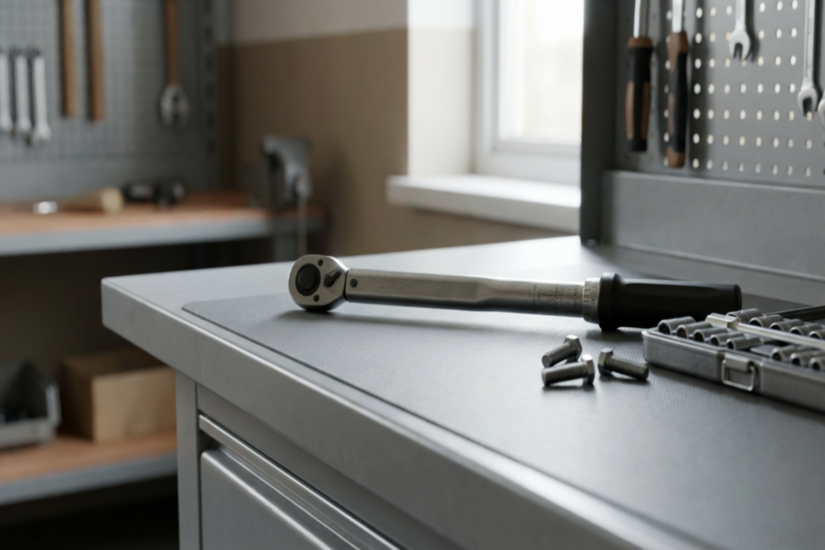
Torque tools are widely used across engineering, automotive work, plant maintenance, and construction assembly tasks. Bolted connections must be tightened to the correct torque to ensure structural integrity and reliable mechanical performance. A torque wrench allows tradesmen to apply controlled force when fastening components. However, accuracy cannot be assumed indefinitely. Torque wrench calibration ensures that torque readings remain reliable and that the correct torque is applied during assembly work.
Professionals working with torque tools must understand how calibration works, how environmental factors affect accuracy, and when recalibration becomes necessary. Standards developed by the British Standards Institution reference internationally recognised requirements such as BS EN ISO 6789, which defines calibration and testing requirements for hand torque tools. These standards support traceable measurement and reliable torque application across professional industries.
This guide explains how torque wrench calibration works, how simple workshop checks can identify accuracy drift, how torque tools should be stored correctly, and when professional recalibration is required.
Why Torque Accuracy Matters In Professional Work
Correct torque application is essential for safe mechanical assembly. When a fastener is tightened to the correct torque value, it produces the required clamping force between components.
- If the torque is too low, the fastener may loosen during operation. This can cause vibration damage, mechanical failure, or structural instability.
- If the torque is too high, the fastener may stretch beyond its elastic limit or threads may become damaged. Over-tightening can also cause cracking in surrounding components.
Torque wrench calibration ensures that torque tools deliver the intended torque values. Calibration ensures that the torque setting selected on the tool corresponds to the torque actually applied to the fastener.
Maintaining accurate torque tools is therefore essential for safety, quality control, and mechanical reliability.
Types Of Torque Wrenches Used By Tradesmen

Understanding the types of torque wrenches used on site helps professionals choose the correct tool for each application and maintain suitable calibration practices.
Click Torque Wrenches
Click type tools are widely used across automotive and mechanical trades. The wrench produces a click when the preset torque value is reached. These tools use an internal spring mechanism that releases once the correct torque has been applied. Click wrenches are reliable when maintained correctly but require regular calibration to ensure the internal mechanism remains accurate.
Beam Torque Wrenches
Beam style torque tools use a pointer and scale to indicate the torque being applied. The user observes the reading while tightening the fastener. These tools contain fewer internal moving parts and may maintain accuracy longer when handled carefully.
Digital Torque Wrenches
Digital torque wrenches use electronic sensors to measure torque and display readings on a digital screen. Digital torque wrenches are often used where higher accuracy or recorded measurements are required. Electronic measurement components require careful handling and periodic calibration checks.
Environmental Factors That Affect Torque Accuracy
Environmental conditions can influence the accuracy of torque tools. Tradesmen should understand how environmental factors affect torque readings.
Temperature Changes
Large changes in temperature can influence the mechanical components within torque tools. Spring based torque wrenches may show slight variations in accuracy if exposed to extreme heat or cold.
Humidity And Corrosion
Moisture exposure can cause corrosion inside torque tools if they are not stored correctly. Corrosion may affect moving components and reduce measurement accuracy.
Dust And Contamination
Dust, grease, and debris can interfere with the internal mechanism of torque tools. Keeping torque tools clean helps preserve accuracy.
Environmental conditions should always be considered when storing or transporting torque tools.
Simple Accuracy Checks Using A Torque Tester

Formal torque wrench calibration should always be carried out by qualified laboratories where traceable measurement equipment is used. However, workshops often perform regular checks to confirm that torque tools remain consistent between scheduled calibrations.
A torque tester is commonly used for these checks. A torque tester applies controlled resistance and measures the torque delivered by the wrench.
Regular checks allow tradesmen to compare torque readings produced by the wrench with the expected torque value set on the tool.
If measured torque readings begin to drift or vary significantly, the tool should be removed from service and sent for professional calibration.
Simple checks help identify potential accuracy issues early, although they do not replace full torque wrench calibration performed by accredited laboratories.
Step-by-Step Guide For Basic Workshop Checks
A structured checking process helps ensure consistent results.
Step 1: Inspect The Tool
Check the torque wrench for visible damage, contamination, or loose components.
Step 2: Set Torque
Set torque to a reference value within the operating range of the wrench. Mid range values often provide the most consistent results.
Step 3: Secure The Torque Tester
Ensure the torque tester is mounted securely to prevent movement during testing.
Step 4: Apply Torque Smoothly
Pull the wrench slowly and steadily until the click or digital signal occurs.
Step 5: Compare Torque Readings
Compare the measured value displayed on the tester with the set torque value.
Step 6: Repeat Several Times
Perform several tests to check consistency. Large variations between results may indicate calibration drift.
Regular checks like these provide useful information about tool performance but should always be supported by scheduled professional calibration.
When To Calibrate Your Torque Wrench
Torque wrench calibration should follow a defined maintenance schedule based on usage, manufacturer recommendations, and workplace quality requirements.
Many engineering environments implement time based or cycle based calibration schedules.
Common triggers for recalibration include:
- The tool has been dropped or subjected to impact
- Torque readings appear inconsistent during regular checks
- The tool has been heavily used over a long period
- The calibration certificate has expired
Professional calibration services are typically carried out by laboratories accredited through the UK Accreditation Service. Accreditation ensures that calibration results are traceable to recognised measurement standards.
Calibration certificates provide documented proof that torque tools meet the required accuracy limits.
Correct Storage Practices For Torque Tools
Proper storage helps maintain torque tool accuracy and extend service life.
Release Spring Tension
Click-type torque tools contain internal springs. After use, the wrench should be returned to the lowest marked torque value to reduce long-term spring stress.
Store Your Torque Wrench In Its Case
Torque tools should be stored in their protective case when not in use. Protective cases reduce the risk of impact damage and contamination.
Keep Tools Clean And Dry
Torque tools should be stored in a dry environment free from excessive humidity or dirt.
Avoid Mechanical Shock
Dropping a torque wrench can affect internal calibration mechanisms. Any tool that has been dropped should be checked before further use.
Correct storage practices help reduce calibration drift and protect the reliability of torque tools.
Safe Torque Application Practices
Accurate torque application depends not only on calibration but also on correct technique.
Tradesmen should apply torque smoothly and steadily. Sudden force or jerking movements can affect torque readings.
Torque wrenches should not be used to loosen tight fasteners unless the manufacturer specifically allows it. Using torque tools as breaker bars can damage internal mechanisms and affect torque accuracy.
Fasteners should also be clean and properly lubricated if required by the manufacturer’s specification.
Guidance from the Health and Safety Executive emphasises that tools used at work should be properly maintained and suitable for their intended purpose.
Standards and Traceability In Torque Tool Calibration
Professional torque wrench calibration should follow recognised measurement standards. BS EN ISO 6789 defines calibration procedures and measurement requirements for hand torque tools. Calibration laboratories accredited through recognised bodies provide traceable measurements that confirm torque tools operate within specified tolerances.
Traceability ensures that torque readings can be linked to national or international measurement standards. Maintaining documented calibration records also supports quality management systems used in many engineering organisations.
Want fewer surprises with torque accuracy and results that hold up over time? Build stronger everyday tool habits with Tradefox, then use the same checks on every job. Visit TradeFox today and get started.
Final Thoughts
Torque wrench calibration plays a crucial role in maintaining safe and reliable mechanical assemblies. Accurate torque readings ensure that fasteners are tightened to the correct torque and that mechanical joints perform as intended.
Regular checks using torque testers, proper storage practices, and scheduled recalibration all help maintain the accuracy of torque tools.
Professionals who understand the importance of torque wrench calibration and maintain their torque tools correctly can ensure that torque application remains accurate, safe, and compliant with recognised engineering standards.