

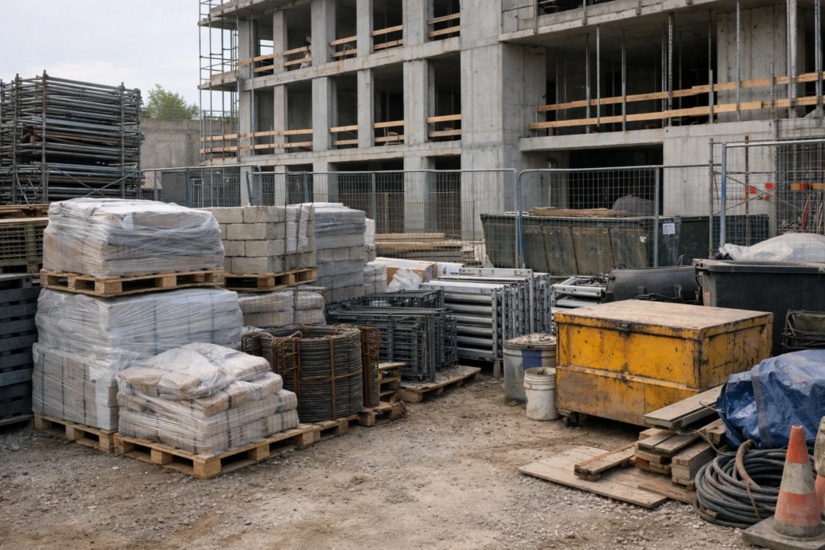
Running a profitable site means controlling exactly what comes in and what goes out. Effective construction waste management is a fundamental requirement for modern tradesmen. Whether you are first fixing a timber frame, pulling cables for a commercial refit, or installing complex plumbing systems, how you handle site refuse directly impacts your bottom line. Throwing offcuts, packaging, and demolition debris into a single mixed skip is no longer a viable strategy for any serious contractor. It drains profits and risks severe enforcement action from the Environment Agency or local authorities.
Identifying and Plugging Cost Leaks
The most significant financial drain on any project is the mentality of putting everything into one skip. Mixed waste is heavy, heavily taxed, and incredibly expensive to process. When carpenters, electricians, and groundworkers toss their respective materials into the same bin, the waste transfer station must sort it mechanically and manually. They pass that intensive labour cost directly back to you, the contractor.
Furthermore, the UK Landfill Tax continues to rise year on year. Sending active, mixed waste to a landfill site is a premium-priced service that cuts deeply into hard-earned profit margins. Effective construction waste management requires viewing your site refuse as a measurable metric rather than just an unavoidable byproduct.
Another hidden cost is the unnecessary loss of usable material. Poor site planning and over-ordering often lead to pristine stock ending up in the skip simply because it is taking up valuable working space. Proper quantification during the initial estimating phase reduces the volume of material brought to the site, immediately lowering your ultimate disposal requirements.
Practical Segregation: A Trade-Specific Approach
Proper segregation starts the moment materials are unpacked from the van. It requires clear signage, dedicated bins, and a site culture where every tradesman understands the system in play.
Wood and Timber Offcuts
Carpenters and joiners produce significant volumes of timber offcuts, shavings, and sawdust. It is vital to separate treated timber from untreated timber at the source. Clean, untreated wood is highly recyclable and significantly cheaper to dispose of. However, recent Environment Agency enforcement changes regarding Persistent Organic Pollutants require extreme caution. Waste wood from pre-2007 buildings is now presumed hazardous unless tested and proven otherwise. This includes roof timbers and tiling battens. You must process these materials according to Regulatory Position Statement 250.
Electrical and Plumbing Refuse
Electricians and pipefitters generate highly specific refuse streams. Copper cable offcuts and brass plumbing fittings hold inherent scrap value and should never enter the general site stream. Setting up a dedicated, secure bin for clean metal offcuts creates a secondary revenue stream that can offset your other disposal costs. Conversely, plastic conduit offcuts, PVC piping, switchgear packaging, and old fixtures require careful separation. The Waste Electrical and Electronic Equipment regulations dictate strict disposal methods for all electrical items, requiring them to go to specifically approved recycling facilities rather than general landfill.
Plasterboard and Gypsum
Gypsum-based products like plasterboard are strictly banned from standard landfill mixing in the UK. When wet gypsum mixes with general biodegradable waste, it produces hydrogen sulphide gas, which is highly toxic and foul-smelling. Plasterboard must always have its own dedicated skip or heavy-duty bag. Even small amounts of plasterboard found in a mixed skip can cause the entire load to be rejected by the waste management company, resulting in heavy contamination fines.
UK Compliance Basics: The Legal Framework
Ignorance of the law is not a valid defence when dealing with commercial refuse. The Environmental Protection Act 1990 places a strict statutory Duty of Care on anyone who produces, imports, keeps, stores, transports, treats, or disposes of waste.
The Waste Hierarchy
Before you even sign a transfer document, UK law requires you to apply the Waste Hierarchy. You must legally confirm you have attempted to manage refuse in this specific order.
- Prevent waste from occurring in the first place through accurate ordering.
- Reuse materials wherever structurally and legally possible.
- Recycle offcuts and packaging through dedicated streams.
- Recover energy from materials that cannot be recycled.
- Dispose of the remaining refuse in a landfill as the absolute final resort.
Waste Transfer Notes and Digital Compliance
Every single time refuse leaves your site, a Waste Transfer Note must be fully completed and signed by both you and the registered waste carrier. This critical document proves you have handed the material over to an authorised person. You are legally required to keep these notes on file for a minimum of two years. Electronic Waste Transfer Notes are increasingly replacing paper copies to future-proof compliance. Always ask for the official registration number of your contractor and check it against the Environment Agency public register. They must hold an Upper Tier Waste Carrier Licence to remove construction debris.
Site Waste Management Plans
The statutory requirement for Site Waste Management Plans was revoked in 2013 for all projects in England. However, local planning authorities frequently still mandate them as a condition of planning consent. They also remain a core component of BREEAM assessments. Creating a written plan forces you to forecast the exact types and volumes of refuse the job will generate before tools hit the materials. It prompts you to decide exactly how each stream will be handled, preventing the chaos of overflowing bins and disputed disposal costs.
Safety First: Housekeeping and Hazard Prevention
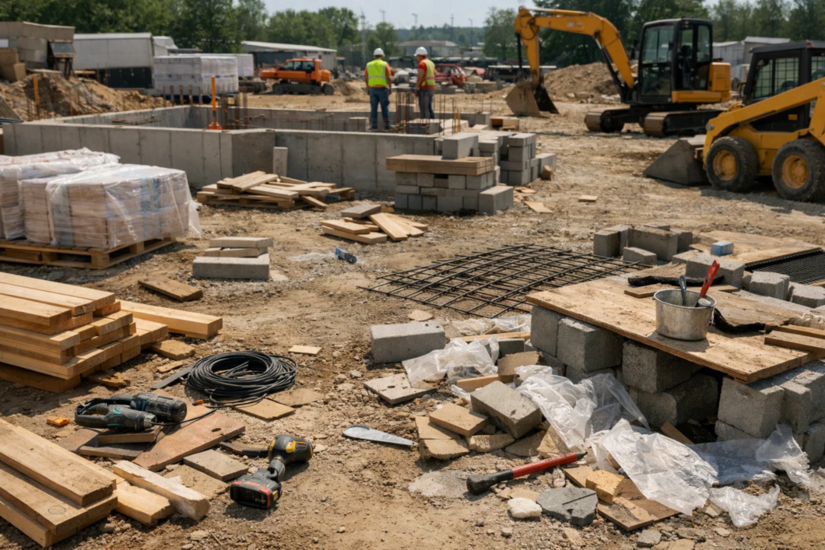
Good construction waste management is entirely inseparable from comprehensive site health and safety. A cluttered site is a highly dangerous site. Slips, trips, and falls remain the most common causes of injury in the UK construction sector. Trailing cables, discarded offcuts, and loose packaging are the primary culprits.
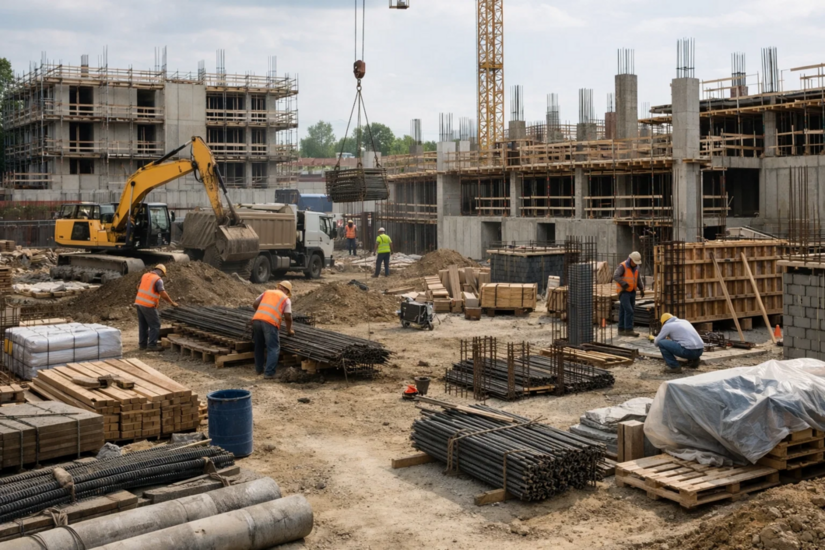
Combustible materials like sawdust accumulations, cardboard packaging, and dry timber offcuts pose a severe fire risk if allowed to build up, especially in areas where hot work like soldering or grinding is taking place. Regular, scheduled clear-outs of workspaces are mandatory to maintain fire escape routes and reduce ignition risks.
When moving heavy items or loading skips, correct manual handling techniques are essential. Tradesmen must wear appropriate Personal Protective Equipment at all times. This includes heavy-duty gloves to prevent lacerations from sharp metal edges, safety boots with robust mid-sole protection to stop stray nails piercing the foot, and adequate respiratory protection when sweeping up fine dust.
Want to stay compliant and avoid costly mistakes on site? Build the right habits with Tradefox and keep your teams confident on duty of care, documentation, and what “authorised” really means.
Conclusion
Implementing robust construction waste management systems is a mark of a highly professional tradesman. It requires discipline, clear communication with your team, and a thorough understanding of UK environmental regulations. By strictly segregating materials at the source, plugging the financial leaks associated with mixed skips, and strictly adhering to your Duty of Care, you protect your profit margins. Following these practices ensures your site remains a safe, compliant environment for everyone working on it.